Recombinant Xenopus laevis Potassium voltage-gated channel subfamily KQT member 1 (kcnq1)
-
中文名稱:有爪蟾蜍kcnq1重組蛋白
-
貨號:CSB-CF012087XBE
-
規(guī)格:
-
來源:in vitro E.coli expression system
-
其他:
產品詳情
-
基因名:
-
Uniprot No.:
-
別名:kcnq1; kvlqt1; Potassium voltage-gated channel subfamily KQT member 1; IKs producing slow voltage-gated potassium channel subunit alpha xKvLQT1; KQT-like 1; Voltage-gated potassium channel subunit Kv7.1
-
種屬:Xenopus laevis (African clawed frog)
-
蛋白長度:full length protein
-
表達區(qū)域:1-377
-
氨基酸序列MNENAINSLYEAIPLPQDGSSNGQRQEDRQANSFELKRETLVATDPPRPTINLDPRVSIY SGRRPLLSRTNIQGRVYNFLERPTGWKCFVYHFTVFLIVLICLIFSVLSTIQQYNNLATE TLFWMEIVLVVFFGAEYVVRLWSAGCRSKYVGVWGRLRFARKPISVIDLIVVVASVIVLC VGSNGQVFATSAIRGIRFLQILRMLHVDRQGGTWRLLGSVVFIHRQELITTLYIGFLGLI FSSYFVYLAEKDAIDSSGEYQFGSYADALWWGVVTVTTIGYGDKVPQTWIGKTIASCFSV FAISFFALPAGILGSGFALKVQQKQRQKHFNRQIPAAASLIQTAWRCYAAENPDSATWKI YIRKQSRNHHIMSPSPK
Note: The complete sequence may include tag sequence, target protein sequence, linker sequence and extra sequence that is translated with the protein sequence for the purpose(s) of secretion, stability, solubility, etc.
If the exact amino acid sequence of this recombinant protein is critical to your application, please explicitly request the full and complete sequence of this protein before ordering. -
蛋白標簽:N-terminal 10xHis-tagged
-
產品提供形式:Liquid or Lyophilized powder
Note: We will preferentially ship the format that we have in stock, however, if you have any special requirement for the format, please remark your requirement when placing the order, we will prepare according to your demand. -
緩沖液:Lyophilized from Tris/PBS-based buffer, 6% Trehalose, pH 8.0
-
儲存條件:Store at -20°C/-80°C upon receipt, aliquoting is necessary for mutiple use. Avoid repeated freeze-thaw cycles.
-
保質期:The shelf life is related to many factors, storage state, buffer ingredients, storage temperature and the stability of the protein itself.
Generally, the shelf life of liquid form is 6 months at -20°C/-80°C. The shelf life of lyophilized form is 12 months at -20°C/-80°C. -
貨期:Basically, we can dispatch the products out in 1-3 working days after receiving your orders. Delivery time may differ from different purchasing way or location, please kindly consult your local distributors for specific delivery time.Note: All of our proteins are default shipped with normal blue ice packs, if you request to ship with dry ice, please communicate with us in advance and extra fees will be charged.
-
注意事項:Repeated freezing and thawing is not recommended. Store working aliquots at 4°C for up to one week.
-
Datasheet & COA:Please contact us to get it.
產品評價

相關產品
靶點詳情
-
功能:Potassium channel that plays an important role in a number of tissues, including heart, inner ear, stomach and colon. Associates with KCNE beta subunits that modulates current kinetics. Induces a voltage-dependent by rapidly activating and slowly deactivating potassium-selective outward current. Promotes also a delayed voltage activated potassium current showing outward rectification characteristic. During beta-adrenergic receptor stimulation participates in cardiac repolarization by associating with KCNE1 to form the I(Ks) cardiac potassium current that increases the amplitude and slows down the activation kinetics of outward potassium current I(Ks). When associated with KCNE3, forms the potassium channel that is important for cyclic AMP-stimulated intestinal secretion of chloride ions. When associated with KCNE2, forms a heterooligomer complex leading to currents with an apparently instantaneous activation, a rapid deactivation process and a linear current-voltage relationship and decreases the amplitude of the outward current. When associated with KCNE4, inhibits voltage-gated potassium channel activity. When associated with KCNE5, this complex only conducts current upon strong and continued depolarization.
-
基因功能參考文獻:
- This study describes one physiological form of KCNQ1, depolarized voltage sensors with a closed pore in the absence of PIP2, and reveals a regulatory interaction between CaM and KCNQ1 that may explain CaM-mediated Long QT Syndrome. PMID: 28575668
- KCNE1/KCNQ1 was expressed in Xenopus oocytes with and without beta-catenin. Confocal microscopy revealed that beta-catenin enhanced the KCNE1/KCNQ1 protein abundance in the cell membrane. PMID: 22583083
- results indicate that AMPK inhibits KCNQ1 activity by promoting Nedd4-2-dependent channel ubiquitination and retrieval from the plasma membrane. PMID: 20861072
- S1 constrains S4 in the voltage sensor domain of Kv7.1 K+ channels PMID: 18398461
- characterize a new component of the early bioelectrical circuit: the potassium channel KCNQ1 and its accessory subunit KCNE1 PMID: 18453744
- Slow delayed rectifier potassium currents mediated by mutant KCNQ1(Y111C) or KCNQ1(L114P) are paradoxically reduced by serum- and glucocorticoid-inducible kinase 1. PMID: 19008479
- phenylboronic acid (PBA) activates KCNQ1/KCNE1 complexes PMID: 19156197
顯示更多
收起更多
-
亞細胞定位:Cell membrane; Multi-pass membrane protein. Cytoplasmic vesicle membrane. Membrane raft. Endoplasmic reticulum. Basolateral cell membrane.
-
蛋白家族:Potassium channel family, KQT (TC 1.A.1.15) subfamily, Kv7.1/KCNQ1 sub-subfamily
-
數(shù)據(jù)庫鏈接:
KEGG: xla:373746
UniGene: Xl.21509
Most popular with customers
-
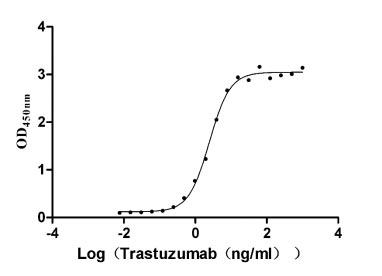
Recombinant Human Receptor tyrosine-protein kinase erbB-2 (ERBB2), partial (Active)
Express system: Mammalian cell
Species: Homo sapiens (Human)
-
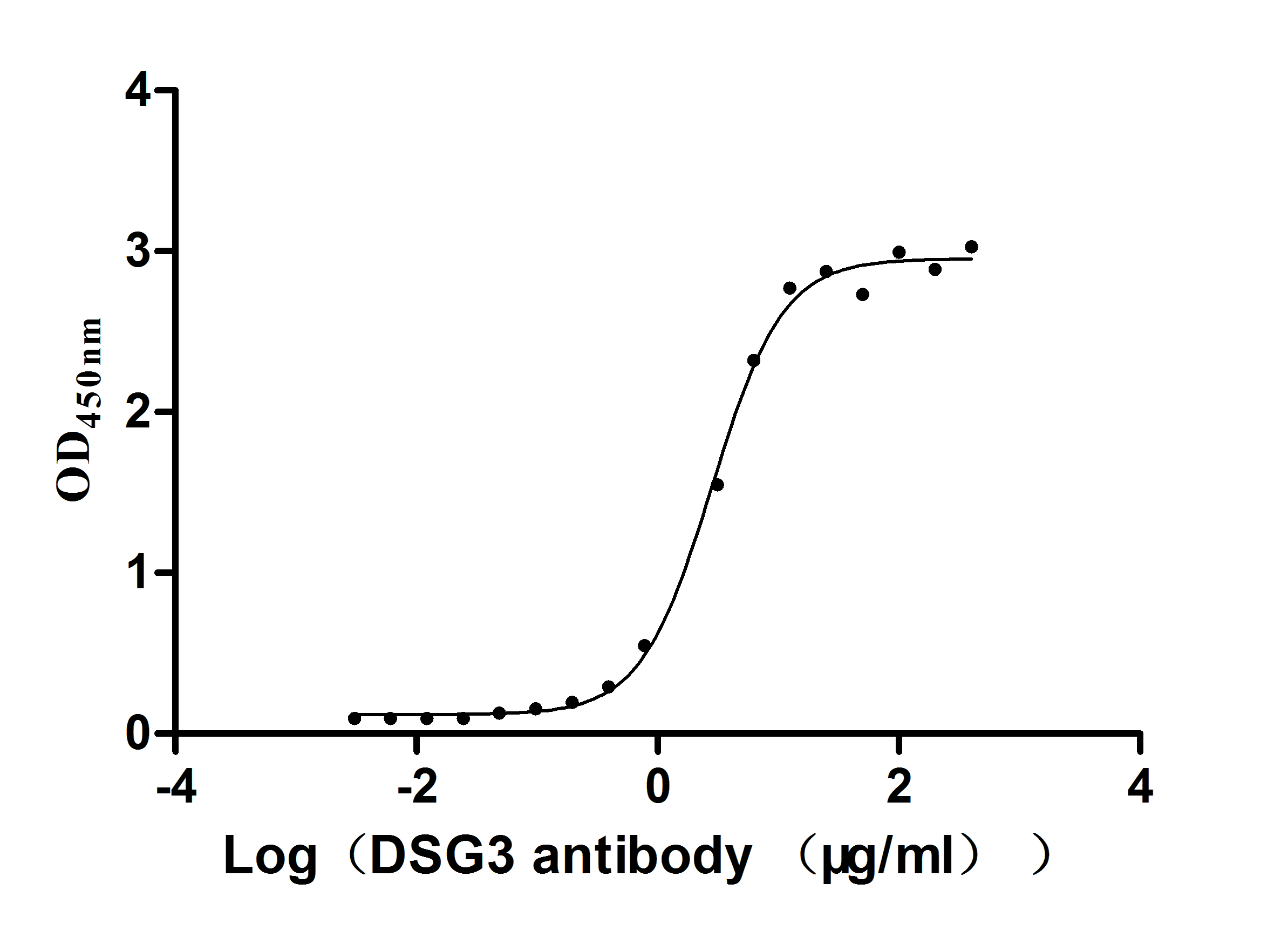
Recombinant Mouse Desmoglein-3 (Dsg3), partial (Active)
Express system: Mammalian cell
Species: Mus musculus (Mouse)
-
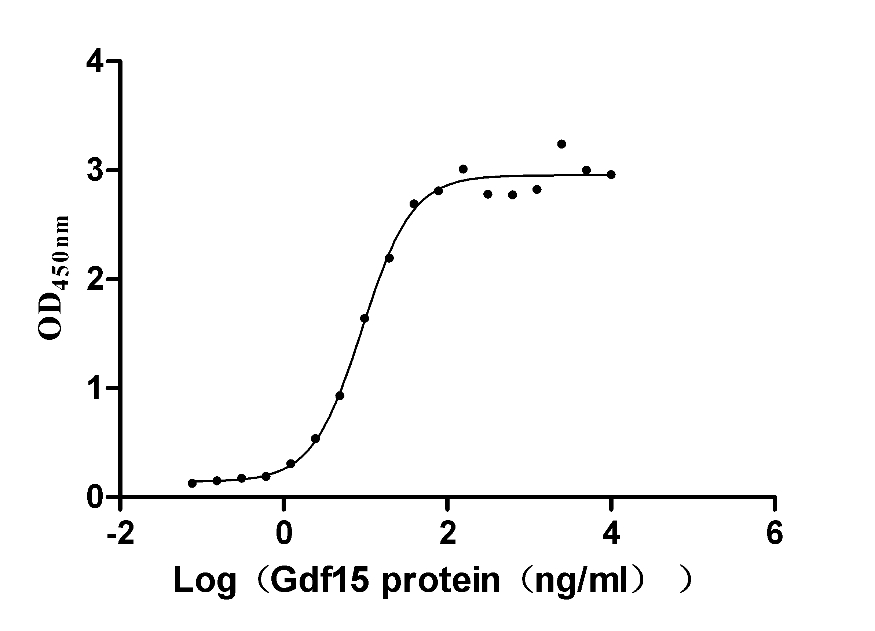
Recombinant Mouse GDNF family receptor alpha-like (Gfral), partial (Active)
Express system: Mammalian cell
Species: Mus musculus (Mouse)
-
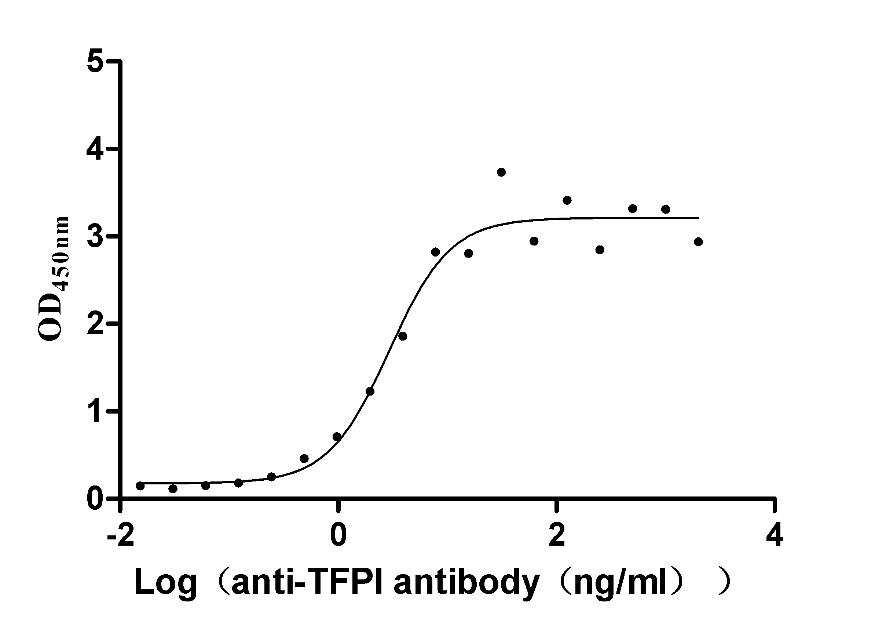
Recombinant Rabbit Tissue factor pathway inhibitor (TFPI) (Active)
Express system: Mammalian cell
Species: Oryctolagus cuniculus (Rabbit)
-
f4-AC1.jpg)
Recombinant Human Claudin-6 (CLDN6)-VLPs, Fluorescent (Active)
Express system: Mammalian cell
Species: Homo sapiens (Human)
-
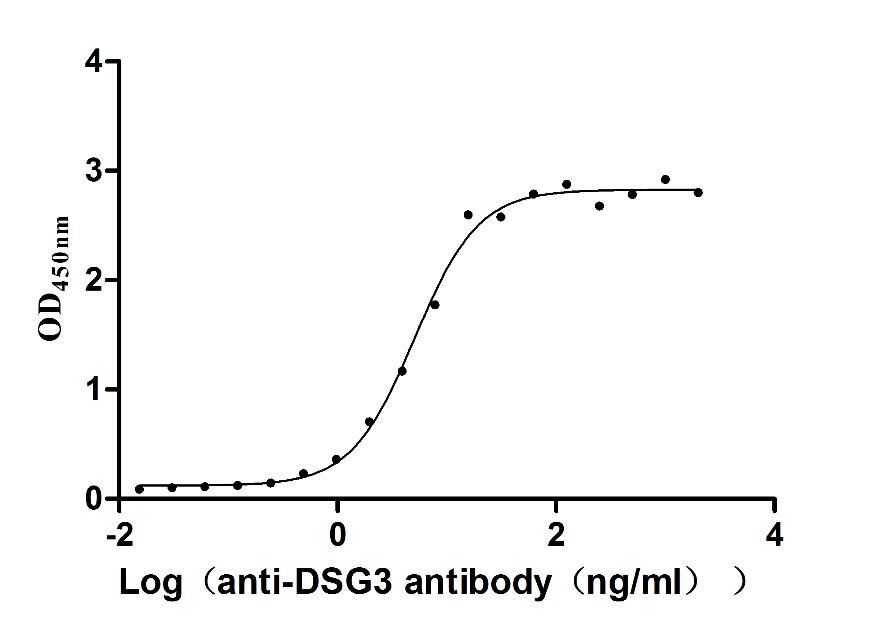
Recombinant Human Desmoglein-3 (DSG3), partial (Active)
Express system: Baculovirus
Species: Homo sapiens (Human)
-
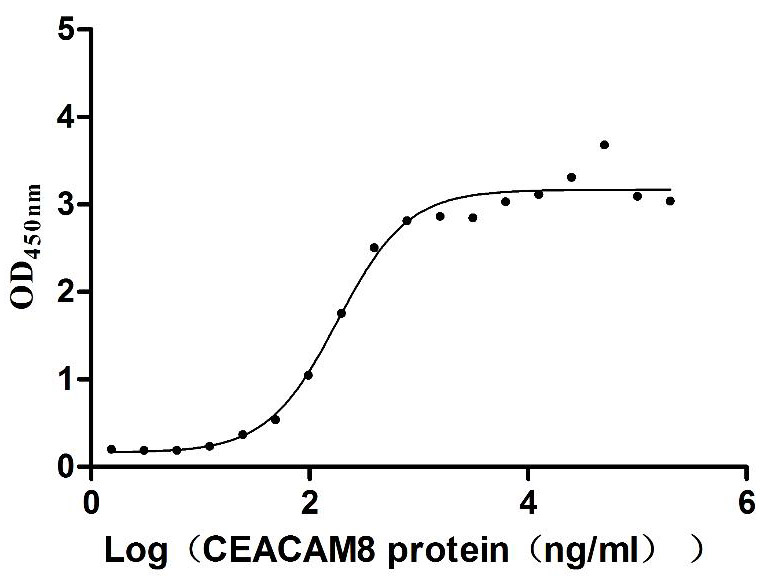
Recombinant Human Carcinoembryonic antigen-related cell adhesion molecule 6 (CEACAM6) (Active)
Express system: Mammalian cell
Species: Homo sapiens (Human)
-
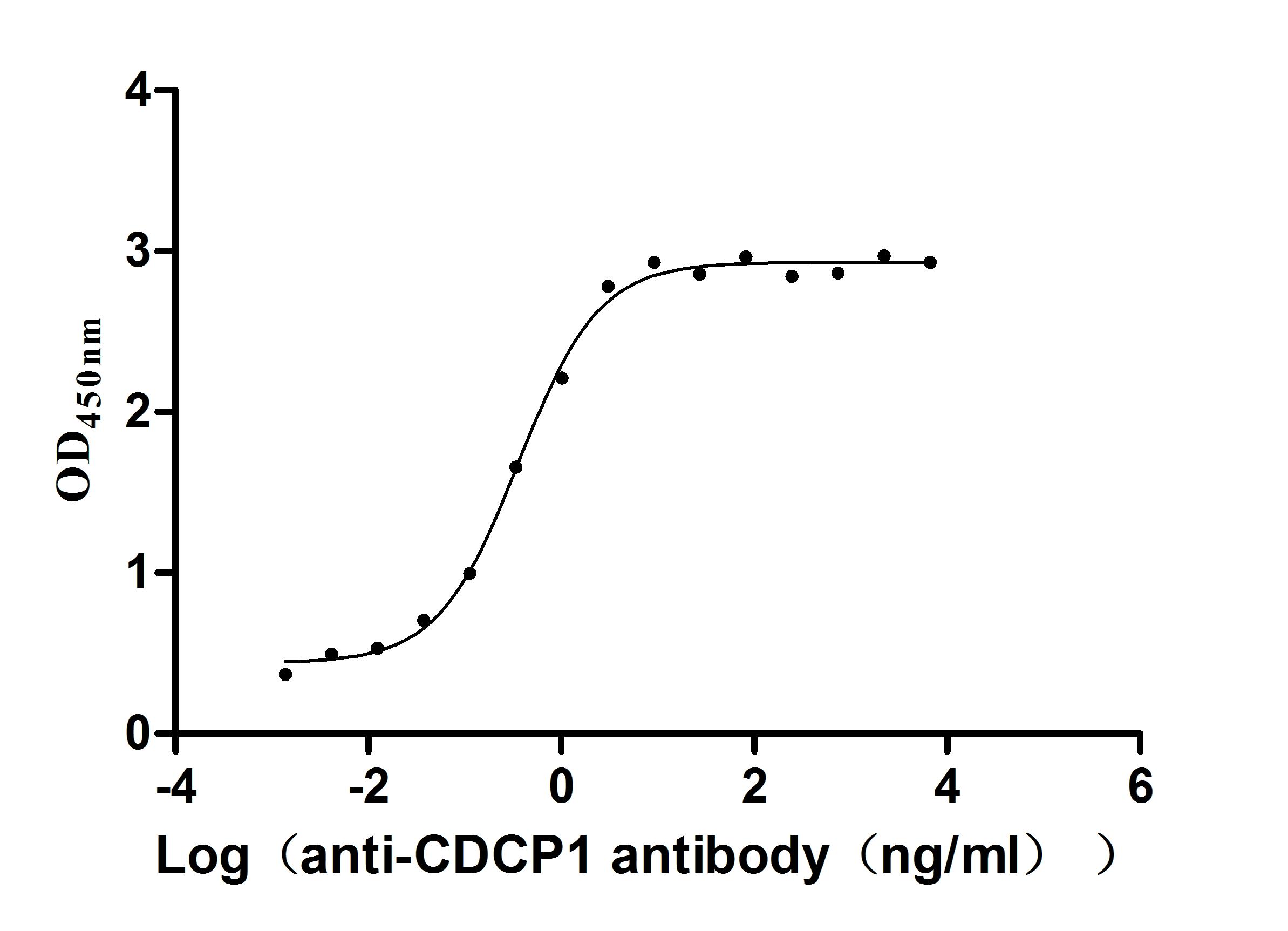
Recombinant Human CUB domain-containing protein 1 (CDCP1), partial (Active)
Express system: Mammalian cell
Species: Homo sapiens (Human)