Recombinant Mouse Sentrin-specific protease 2 (Senp2)
-
中文名稱:小鼠Senp2重組蛋白
-
貨號:CSB-YP856342MO
-
規格:
-
來源:Yeast
-
其他:
-
中文名稱:小鼠Senp2重組蛋白
-
貨號:CSB-EP856342MO
-
規格:
-
來源:E.coli
-
其他:
-
中文名稱:小鼠Senp2重組蛋白
-
貨號:CSB-EP856342MO-B
-
規格:
-
來源:E.coli
-
共軛:Avi-tag Biotinylated
E. coli biotin ligase (BirA) is highly specific in covalently attaching biotin to the 15 amino acid AviTag peptide. This recombinant protein was biotinylated in vivo by AviTag-BirA technology, which method is BriA catalyzes amide linkage between the biotin and the specific lysine of the AviTag.
-
其他:
-
中文名稱:小鼠Senp2重組蛋白
-
貨號:CSB-BP856342MO
-
規格:
-
來源:Baculovirus
-
其他:
-
中文名稱:小鼠Senp2重組蛋白
-
貨號:CSB-MP856342MO
-
規格:
-
來源:Mammalian cell
-
其他:
產品詳情
-
純度:>85% (SDS-PAGE)
-
基因名:
-
Uniprot No.:
-
別名:Senp2; Smt3ip2; Supr1; Sentrin-specific protease 2; EC 3.4.22.-; Axam2; SUMO-1 protease 1; SuPr-1; SUMO-1/Smt3-specific isopeptidase 2; Smt3ip2; Sentrin/SUMO-specific protease SENP2
-
種屬:Mus musculus (Mouse)
-
蛋白長度:full length protein
-
表達區域:1-588
-
氨基酸序列MYRWLAKVLG TILRLCERPA PGARALLKRR RSSSTLFSTA VDTDEIPAKR PRLDCFIHQV KNSLYNAASL FGFPFQLTTK PMVSSACNGT RNVAPSGEVF SNSSSCELMS SGSCSSMLKL GNKSPNGISD YPKIRVTVTR DQPRRVLPSF GFTLKSEGYN RRPSGRRHSK SNPESSLTWK PQEQGVTEMI SEEGGKGVRR PHCTVEEGVQ KDEREKYRKL LERLKEGAHG STFPPTVSHH SSQRIQMDTL KTKGWVEEQN HGVRTTHFVP KQYRVVETRG PLCSMRSEKR YSKGKADTEK VVGLRFEKEG TRGHQMEPDL SEEVSARLRL GSGSNGLLRR KISVLEIKEK NFPSKEKDRR TEDLFEFTED MEKEISNALG HGPPDEILSS AFKLRITRGD IQTLKNYHWL NDEVINFYMN LLVERSKKQG YPALHAFSTF FYPKLKSGGY QAVKRWTKGV NLFEQELVLV PIHRKVHWSL VVMDLRKKCL KYLDSMGQKG HRICEILLQY LQDESKTKRN TDLNLLEWTH YSMKPHEIPQ QLNGSDCGMF TCKYADYISR DKPITFTQHQ MPLFRKKMVW EILHQQLL
-
蛋白標簽:Tag?type?will?be?determined?during?the?manufacturing?process.
The tag type will be determined during production process. If you have specified tag type, please tell us and we will develop the specified tag preferentially. -
產品提供形式:Lyophilized powder
Note: We will preferentially ship the format that we have in stock, however, if you have any special requirement for the format, please remark your requirement when placing the order, we will prepare according to your demand. -
復溶:We recommend that this vial be briefly centrifuged prior to opening to bring the contents to the bottom. Please reconstitute protein in deionized sterile water to a concentration of 0.1-1.0 mg/mL.We recommend to add 5-50% of glycerol (final concentration) and aliquot for long-term storage at -20℃/-80℃. Our default final concentration of glycerol is 50%. Customers could use it as reference.
-
儲存條件:Store at -20°C/-80°C upon receipt, aliquoting is necessary for mutiple use. Avoid repeated freeze-thaw cycles.
-
保質期:The shelf life is related to many factors, storage state, buffer ingredients, storage temperature and the stability of the protein itself.
Generally, the shelf life of liquid form is 6 months at -20°C/-80°C. The shelf life of lyophilized form is 12 months at -20°C/-80°C. -
貨期:Delivery time may differ from different purchasing way or location, please kindly consult your local distributors for specific delivery time.Note: All of our proteins are default shipped with normal blue ice packs, if you request to ship with dry ice, please communicate with us in advance and extra fees will be charged.
-
注意事項:Repeated freezing and thawing is not recommended. Store working aliquots at 4°C for up to one week.
-
Datasheet :Please contact us to get it.
產品評價

靶點詳情
-
功能:Protease that catalyzes two essential functions in the SUMO pathway. The first is the hydrolysis of an alpha-linked peptide bond at the C-terminal end of the small ubiquitin-like modifier (SUMO) propeptides, SUMO1, SUMO2 and SUMO3 leading to the mature form of the proteins. The second is the deconjugation of SUMO1, SUMO2 and SUMO3 from targeted proteins, by cleaving an epsilon-linked peptide bond between the C-terminal glycine of the mature SUMO and the lysine epsilon-amino group of the target protein. May down-regulate CTNNB1 levels and thereby modulate the Wnt pathway. Deconjugates SUMO2 from MTA1. Plays a dynamic role in adipogenesis by desumoylating and promoting the stabilization of CEBPB. Isoform 3 activates transcription.
-
基因功能參考文獻:
- Data suggest that SENP2 in hepatic stellate cells is involved in regulation of apoptosis in these cells and in development/reversion of liver fibrosis (here, carbon tetrachloride-induced liver fibrosis). PMID: 29535048
- Expression of the SENP2 gene was suppressed by theobromine. In vivo knockdown studies showed that AR1 knockdown in mice attenuated the anti-adipogenic effects of theobromine in younger mice. Theobromine suppresses adipocyte differentiation and induced C/EBPbeta degradation by increasing its sumoylation. PMID: 28965824
- SENP2 regulates Drp1 sumoylation and stability critical for mitochondrial morphogenesis.SENP2 plays role in mitochondria mediated neural degeneration. PMID: 25299344
- This study identified an animal model of SUDEP, which is caused by alteration of a posttranslational protein modification pathway (SUMOylation) on a unique voltage-gated potassium channel (Kv7.2/Kv7.3) PMID: 25189211
- These results reveal the important role of SENP2 in the regulation of myostatin expression and myogenesis. PMID: 24344126
- SENP2 represses glycolysis and shifts glucose metabolic strategy PMID: 23691130
- Data suggest that SENP2 regulates antiviral innate immunity by deSUMOylating IRF3 and conditioning it for ubiquitination and degradation, and provide an example of cross-talk between the ubiquitin and SUMO pathways in innate immunity. PMID: 22028379
- a mechanism underlying the SENP2-mediated regulation of Mdm2 that is critical for genome integrity in p53-dependent stress responses. PMID: 21183956
- SENP2 de-SUMOylates PPARgamma in myotubes, and de-SUMOylation of PPARgamma selectively increases the expression of some PPARgamma target genes. PMID: 20950277
- Senp2 is essential for suppression of polycomb group protein-mediated gene silencing during embryonic development. PMID: 20417598
- These results establish a critical role for SENP2 in the regulation of adipogenesis by desumoylation. PMID: 20194620
- SUMO-1 protease-1 regulates gene transcription through PML. PMID: 12419228
- data reveal a key genetic pathway, SENP2-Mdm2-p53, underlying trophoblast lineage development, suggesting its pivotal role in cell cycle progression of mitosis and endoreduplication. PMID: 19090619
顯示更多
收起更多
-
亞細胞定位:[Isoform 1]: Nucleus, nuclear pore complex. Nucleus membrane; Peripheral membrane protein; Nucleoplasmic side.; [Isoform 2]: Cytoplasm. Cytoplasmic vesicle.; [Isoform 3]: Nucleus, PML body.
-
蛋白家族:Peptidase C48 family
-
組織特異性:Highly expressed in testis. Detected in brain, heart and thymus.
-
數據庫鏈接:
Most popular with customers
-
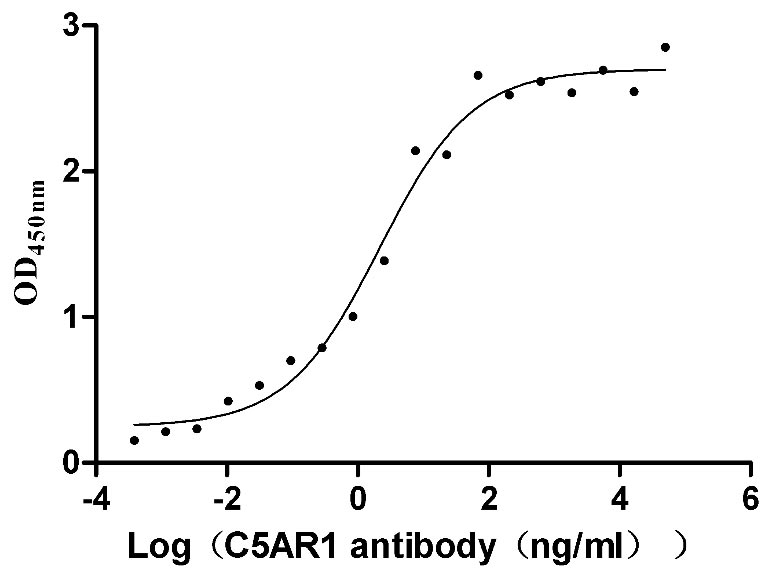
Recombinant Human C5a anaphylatoxin chemotactic receptor 1 (C5AR1)-VLPs (Active)
Express system: Mammalian cell
Species: Homo sapiens (Human)
-
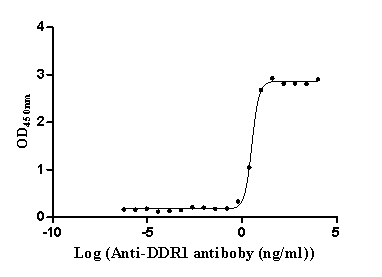
Recombinant Human Epithelial discoidin domain-containing receptor 1 (DDR1), partial (Active)
Express system: Mammalian cell
Species: Homo sapiens (Human)
-
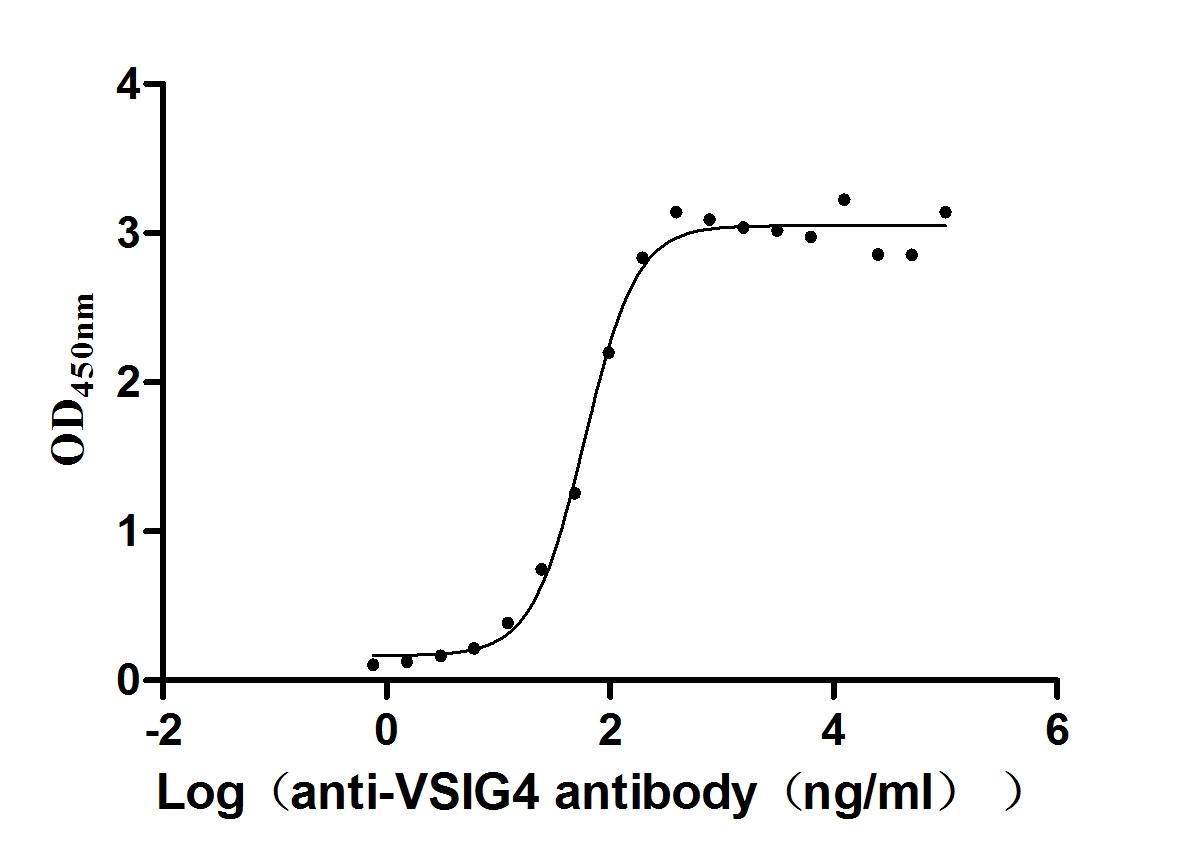
Recombinant Human V-set and immunoglobulin domain-containing protein 4 (VSIG4), partial (Active)
Express system: Mammalian cell
Species: Homo sapiens (Human)
-
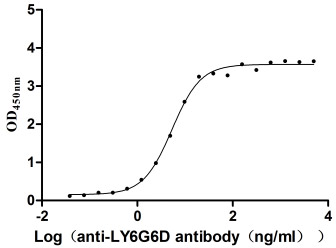
Recombinant Macaca fascicularis lymphocyte antigen 6 family member G6D (LY6G6D) (Active)
Express system: Yeast
Species: Macaca fascicularis (Crab-eating macaque) (Cynomolgus monkey)
-
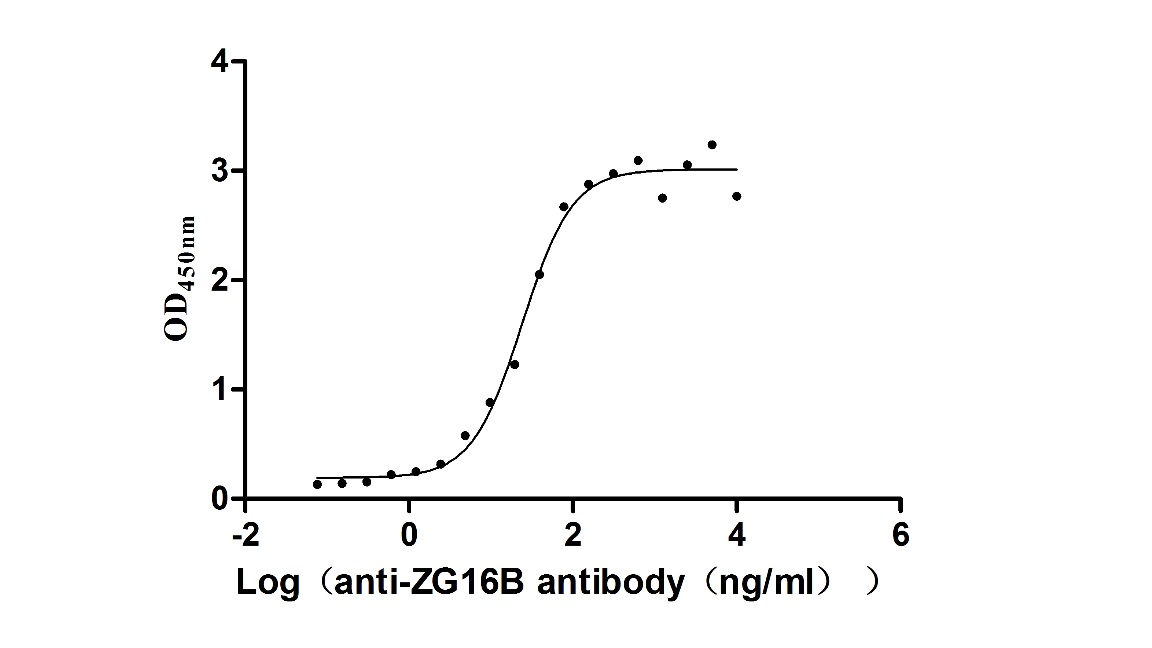
Recombinant Macaca fascicularis zymogen granule protein 16 homolog B (ZG16B) (Active)
Express system: Mammalian cell
Species: Macaca fascicularis (Crab-eating macaque) (Cynomolgus monkey)
-
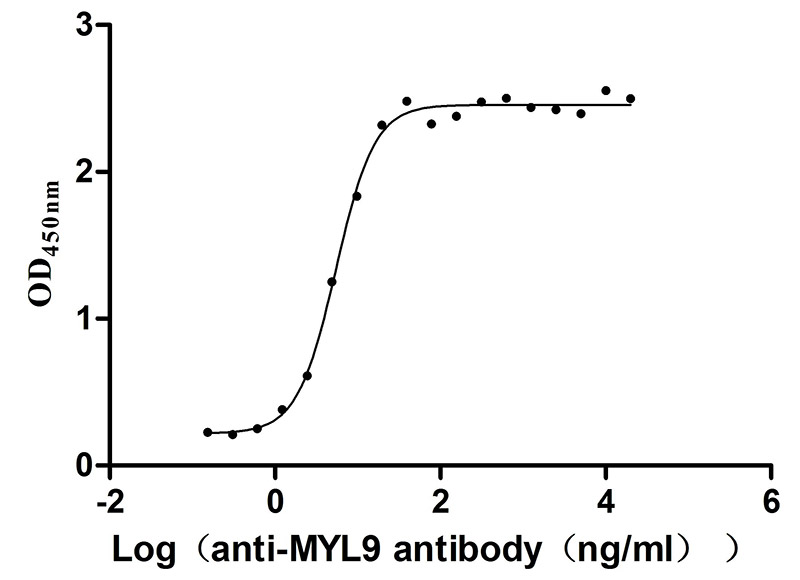
Recombinant Human Myosin regulatory light polypeptide 9 (MYL9) (Active)
Express system: Yeast
Species: Homo sapiens (Human)
-
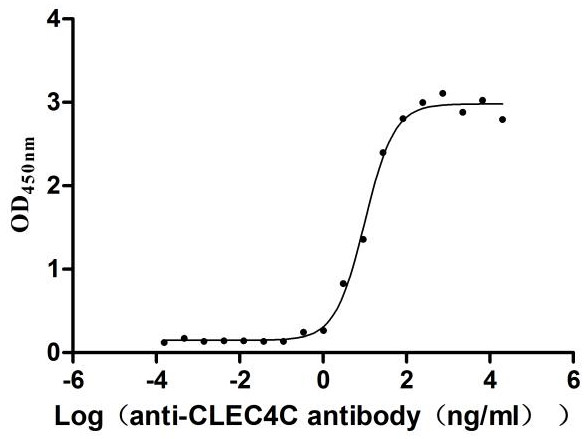
Recombinant Human C-type lectin domain family 4 member C (CLEC4C), partial (Active)
Express system: Mammalian cell
Species: Homo sapiens (Human)
-
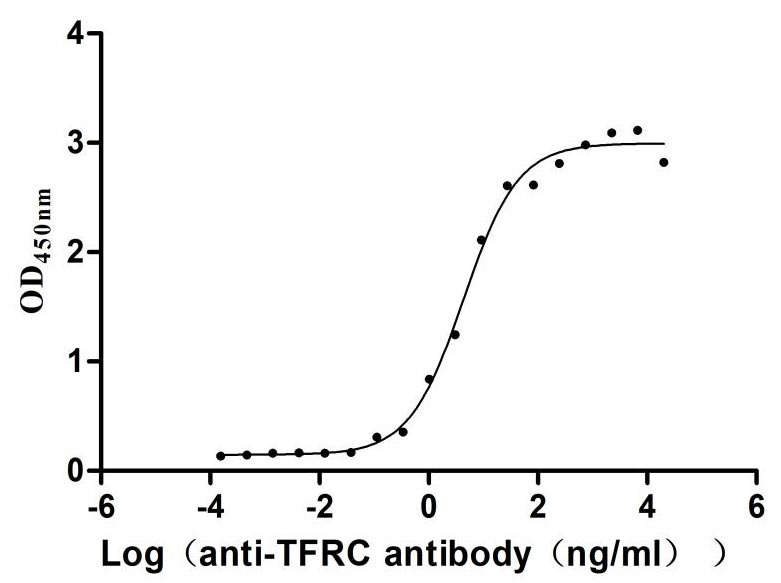
Recombinant Human Transferrin receptor protein 1 (TFRC), partial (Active)
Express system: Mammalian cell
Species: Homo sapiens (Human)