Recombinant Mouse Ribosomal protein S6 kinase alpha-3 (Rps6ka3)
-
中文名稱:小鼠Rps6ka3重組蛋白
-
貨號:CSB-YP020466MO
-
規格:
-
來源:Yeast
-
其他:
-
中文名稱:小鼠Rps6ka3重組蛋白
-
貨號:CSB-EP020466MO
-
規格:
-
來源:E.coli
-
其他:
-
中文名稱:小鼠Rps6ka3重組蛋白
-
貨號:CSB-EP020466MO-B
-
規格:
-
來源:E.coli
-
共軛:Avi-tag Biotinylated
E. coli biotin ligase (BirA) is highly specific in covalently attaching biotin to the 15 amino acid AviTag peptide. This recombinant protein was biotinylated in vivo by AviTag-BirA technology, which method is BriA catalyzes amide linkage between the biotin and the specific lysine of the AviTag.
-
其他:
-
中文名稱:小鼠Rps6ka3重組蛋白
-
貨號:CSB-BP020466MO
-
規格:
-
來源:Baculovirus
-
其他:
-
中文名稱:小鼠Rps6ka3重組蛋白
-
貨號:CSB-MP020466MO
-
規格:
-
來源:Mammalian cell
-
其他:
產品詳情
-
純度:>85% (SDS-PAGE)
-
基因名:
-
Uniprot No.:
-
別名:Rps6ka3; Mapkapk1b; Rps6ka-rs1; Rsk2Ribosomal protein S6 kinase alpha-3; S6K-alpha-3; EC 2.7.11.1; 90 kDa ribosomal protein S6 kinase 3; p90-RSK 3; p90RSK3; MAP kinase-activated protein kinase 1b; MAPK-activated protein kinase 1b; MAPKAP kinase 1b; MAPKAPK-1b; Ribosomal S6 kinase 2; RSK-2; pp90RSK2
-
種屬:Mus musculus (Mouse)
-
蛋白長度:Full length protein
-
表達區域:1-740
-
氨基酸序列MPLAQLADPW QKMAVESPSD SAENGQQIMD EPMGEEEINP QTEEGSIKEI AITHHVKEGH EKADPSQFEL LKVLGQGSFG KVFLVKKISG SDARQLYAMK VLKKATLKVR DRVRTKMERD ILVEVNHPFI VKLHYAFQTE GKLYLILDFL RGGDLFTRLS KEVMFTEEDV KFYLAELALA LDHLHSLGII YRDLKPENIL LDEEGHIKLT DFGLSKESID HEKKAYSFCG TVEYMAPEVV NRRGHTQSAD WWSFGVLMFE MLTGTLPFQG KDRKETMTMI LKAKLGMPQF LSPEAQSLLR MLFKRNPANR LGAGPDGVEE IKRHSFFSTI DWNKLYRREI HPPFKPATGR PEDTFYFDPE FTAKTPKDSP GIPPSANAHQ LFRGFSFVAI TSDDESQAMQ TVGVHSIVQQ LHRNSIQFTD GYEVKEDIGV GSYSVCKRCI HKATNMEFAV KIIDKSKRDP TEEIEILLRY GQHPNIITLK DVYDDGKYVY VVTELMKGGE LLDKILRQKF FSEREASAVL FTITKTVEYL HAQGVVHRDL KPSNILYVDE SGNPESIRIC DFGFAKQLRA ENGLLMTPCY TANFVAPEVL KRQGYDAACD IWSLGVLLYT MLTGYTPFAN GPDDTPEEIL ARIGSGKFSL SGGYWNSVSD TAKDLVSKML HVDPHQRLTA ALVLRHPWIV HWDQLPQYQL NRQDAPHLVK GAMAATYSAL NRNQSPVLEP VGRSTLAQRR GIKKITSTAL
-
蛋白標簽:Tag?type?will?be?determined?during?the?manufacturing?process.
The tag type will be determined during production process. If you have specified tag type, please tell us and we will develop the specified tag preferentially. -
產品提供形式:Lyophilized powder
Note: We will preferentially ship the format that we have in stock, however, if you have any special requirement for the format, please remark your requirement when placing the order, we will prepare according to your demand. -
復溶:We recommend that this vial be briefly centrifuged prior to opening to bring the contents to the bottom. Please reconstitute protein in deionized sterile water to a concentration of 0.1-1.0 mg/mL.We recommend to add 5-50% of glycerol (final concentration) and aliquot for long-term storage at -20℃/-80℃. Our default final concentration of glycerol is 50%. Customers could use it as reference.
-
儲存條件:Store at -20°C/-80°C upon receipt, aliquoting is necessary for mutiple use. Avoid repeated freeze-thaw cycles.
-
保質期:The shelf life is related to many factors, storage state, buffer ingredients, storage temperature and the stability of the protein itself.
Generally, the shelf life of liquid form is 6 months at -20°C/-80°C. The shelf life of lyophilized form is 12 months at -20°C/-80°C. -
貨期:Delivery time may differ from different purchasing way or location, please kindly consult your local distributors for specific delivery time.Note: All of our proteins are default shipped with normal blue ice packs, if you request to ship with dry ice, please communicate with us in advance and extra fees will be charged.
-
注意事項:Repeated freezing and thawing is not recommended. Store working aliquots at 4°C for up to one week.
-
Datasheet :Please contact us to get it.
產品評價

靶點詳情
-
功能:Serine/threonine-protein kinase that acts downstream of ERK (MAPK1/ERK2 and MAPK3/ERK1) signaling and mediates mitogenic and stress-induced activation of the transcription factors CREB1, ETV1/ER81 and NR4A1/NUR77, regulates translation through RPS6 and EIF4B phosphorylation, and mediates cellular proliferation, survival, and differentiation by modulating mTOR signaling and repressing pro-apoptotic function of BAD and DAPK1. In fibroblast, is required for EGF-stimulated phosphorylation of CREB1 and histone H3 at 'Ser-10', which results in the subsequent transcriptional activation of several immediate-early genes. In response to mitogenic stimulation (EGF and PMA), phosphorylates and activates NR4A1/NUR77 and ETV1/ER81 transcription factors and the cofactor CREBBP. Upon insulin-derived signal, acts indirectly on the transcription regulation of several genes by phosphorylating GSK3B at 'Ser-9' and inhibiting its activity. Phosphorylates RPS6 in response to serum or EGF via an mTOR-independent mechanism and promotes translation initiation by facilitating assembly of the preinitiation complex. In response to insulin, phosphorylates EIF4B, enhancing EIF4B affinity for the EIF3 complex and stimulating cap-dependent translation. Is involved in the mTOR nutrient-sensing pathway by directly phosphorylating TSC2 at 'Ser-1798', which potently inhibits TSC2 ability to suppress mTOR signaling, and mediates phosphorylation of RPTOR, which regulates mTORC1 activity and may promote rapamycin-sensitive signaling independently of the PI3K/AKT pathway. Mediates cell survival by phosphorylating the pro-apoptotic proteins BAD and DAPK1 and suppressing their pro-apoptotic function. Promotes the survival of hepatic stellate cells by phosphorylating CEBPB in response to the hepatotoxin carbon tetrachloride (CCl4). Is involved in cell cycle regulation by phosphorylating the CDK inhibitor CDKN1B, which promotes CDKN1B association with 14-3-3 proteins and prevents its translocation to the nucleus and inhibition of G1 progression. In LPS-stimulated dendritic cells, is involved in TLR4-induced macropinocytosis, and in myeloma cells, acts as effector of FGFR3-mediated transformation signaling, after direct phosphorylation at Tyr-529 by FGFR3. Negatively regulates EGF-induced MAPK1/3 phosphorylation via phosphorylation of SOS1. Phosphorylates SOS1 at 'Ser-1134' and 'Ser-1161' that create YWHAB and YWHAE binding sites and which contribute to the negative regulation of MAPK1/3 phosphorylation. Phosphorylates EPHA2 at 'Ser-897', the RPS6KA-EPHA2 signaling pathway controls cell migration. Acts as a regulator of osteoblast differentiation by mediating phosphorylation of ATF4, thereby promoting ATF4 transactivation activity.
-
基因功能參考文獻:
- M-CSF-evoked ERK1/2 activation was decreased, whereas AKT activation was enhanced in SHP2-deficient BMMs. ERK1/2, via its downstream target RSK2, mediates this negative feedback by negatively regulating phosphorylation of M-CSF receptor at Tyr721 and, consequently, its binding to p85 subunit of PI3K and PI3K activation. PMID: 29046360
- Phosphorylation of T-bet by RSK2 is required for IFNgamma expression for attenuation of colon cancer metastasis and growth. PMID: 29133416
- Osajin binds with RSK2 directly in an ATP-competitive manner. Computer modeling simulated a plausible binding orientation between osajin and RSK2. Osajin inhibited sUV-induced phosphorylation of histone H3, a substrate of RSK2. PMID: 28409880
- The expressions of PDK1, p-PDK1, RSK2 and p-RSK2 were all up-regulated in collagen-induced arthritis compared with normal. This indicated that PDK1/RSK2 may participate in inflammatory progress of RA. PMID: 28314444
- The purified protein can be fully activated in vitro by phosphorylation with protein kinases ERK2 and PDK1. PMID: 27732676
- critical regulator of cementoblast function PMID: 26927527
- Downregulation of Rps6ka3 is a promising strategy for the treatment of multiple sclerosis. PMID: 26386981
- Data show that the phosphoinositide-dependent kinase 1 (PDK1)-p90 kDa ribosomal S6 kinases (Rsks) Rsk1/2 pathway is critical for establishment and maintenance of a normal Langerhans cells (LC) network. PMID: 26401001
- RSK2 regulates craniofacial development including tooth development and patterning via novel transcriptional targets PMID: 24416220
- The results of this study show that RSK2 loss-of-function is associated in the dentate gyrus with multi-level alterations that encompass modifications of glutamate receptor channel properties, synaptic transmission. PMID: 23742761
- We propose that loss of function mutations in RSK2 that lead to Coffin-Lowry syndrome are related to defects in neuronal growth due to impaired RSK2-dependent PLD1 activity resulting in a reduced vesicle fusion rate and membrane supply. PMID: 24336713
- RSK2 interacted and phosphorylated GSK-3beta at Ser9. Notably, GSK-3beta phosphorylation at Ser9 was suppressed in RSK2(-/-) mouse embryonic fibroblasts. PMID: 24055036
- Pin1 plays a critical role in tumorigenesis plausibly via physical interaction with RSK2 and reciprocal phosphorylation PMID: 22562304
- This study showed that RSK2 signaling contributes to morphine analgesia in the tail withdrawal response. PMID: 22218090
- Results show increased protein levels of Rsk1 and Rsk2 in the striatum of Huntington disease mice and and striatal cells transfected with full-length mutant Huntingtin. PMID: 22041125
- The study demonistrated that revealed a novel role for RSK2 in cognitive processes and uncovers the critical implication of an intriguing brain structure in place aversion learning. PMID: 21852432
- RSK2 exerts a feedback inhibitory effect on the ERK1/2 pathway in a mouse model of Coffin-Lowry syndrome. PMID: 21838783
- In the hippocampus of Rsk2-KO mice (a mouse model of the Coffin-Lowry syndrome), expression of GLUR2 at the mRNA and protein levels is significantly increased, whereas basal AMPA receptor-mediated transmission is significantly decreased. PMID: 21116650
- ATF1 is a novel substrate of RSK2 and that RSK2-ATF1 signaling plays an important role in EGF-induced neoplastic cell transformation. PMID: 21098035
- Rsk2 knockdown resulted in a significant decrease in neurogenesis and an increase in the proportion of proliferating Pax6-positive radial precursor cells, indicating that Rsk2 is essential for cortical radial precursors to differentiate into neurons. PMID: 20832397
- Data show that RSK2 is activated by treatment with tumor necrosis factor-alpha (TNF-alpha) and directly phosphorylates IkappaBalpha at Ser-32, leading to IkappaBalpha degradation. PMID: 20385620
- analysis of the active N-terminal kinase domain of p90 ribosomal S6 kinase 2 PMID: 19956600
- RSK2 is required for growth factor-mediated attenuation of GPCR signaling. PMID: 20136148
- This is the first evidence that deletion of a single kinase can elicit profound changes in patterns of agonist functional selectivity. PMID: 19933401
- arsenite-induced phosphorylation of histone H3 at serine 10 is mediated by Akt1, extracellular signal-regulated kinase 2 and p90 ribosomal S6 kinase 2 but not mitogen- and stress-activated protein kinase 1 PMID: 12529330
- plays a novel and an important role in regulation of adipose mass PMID: 12765942
- ATF4 is a substrate of Rsk2. PMID: 15109498
- These studies suggest that ribosomal S6 kinases 1 and 2 alone are not essential for the development of cardiac hypertrophy. PMID: 15226426
- Data suggest that RSK2-dependent stabilization of c-Fos is essential for osteosarcoma formation in mice and may also be important for human osteosarcomas. PMID: 15719069
- FGF-2 is shown to directly interact through two separate domains with two RSK2 domains on both sides of the hydrophobic motif PMID: 15879597
- These results suggest that binding of ribosomal S6 kinase 2 to PDZ domain proteins and phosphorylation of these proteins or their binding partners regulates excitatory synaptic transmission. PMID: 16217014
- Genetic deletion of p90 ribosomal S6 kinase 2 (RSK2) potentiates GPCR signaling. PMID: 16537434
- Data show that ERK1/2 regulates angiotensin II-dependent cell proliferation via cytoplasmic activation of RSK2 and nuclear activation of elk1. PMID: 16723511
- learning impairments displayed by Rsk2-deficient mice. PMID: 17033934
- Investigating signal tranduction pathway involved in skeletal muscle atrophy in Rps6ka2 knockout mice. PMID: 17494629
- an essential nonredundant role of Rsk2 in T-cell activation. PMID: 17938253
- p90RSK activation is critical for peroxide-mediated inhibition of voltage-gated K+ channel activity and leads to prolongation of cardiac repolarization. PMID: 18599872
- Cortical hyperdopaminergia may explain some non-cognitive but also cognitive alterations exhibited by mrsk2_KO mice. PMID: 18823370
- critical role of RSK2 in FGFR3-induced hematopoietic transformation PMID: 19223461
- The chaperonin CCT is identified as a novel physiological substrate for p90 ribosomal S6 kinase (RSK) and p70 ribosomal S6 kinase (S6K). PMID: 19332537
顯示更多
收起更多
-
亞細胞定位:Nucleus. Cytoplasm.
-
蛋白家族:Protein kinase superfamily, AGC Ser/Thr protein kinase family, S6 kinase subfamily
-
組織特異性:Intestine, thymus, lung, heart and brain.
-
數據庫鏈接:
Most popular with customers
-
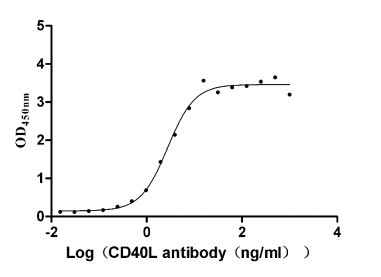
Recombinant Human CD40 ligand (CD40LG), partial (Active)
Express system: Mammalian cell
Species: Homo sapiens (Human)
-
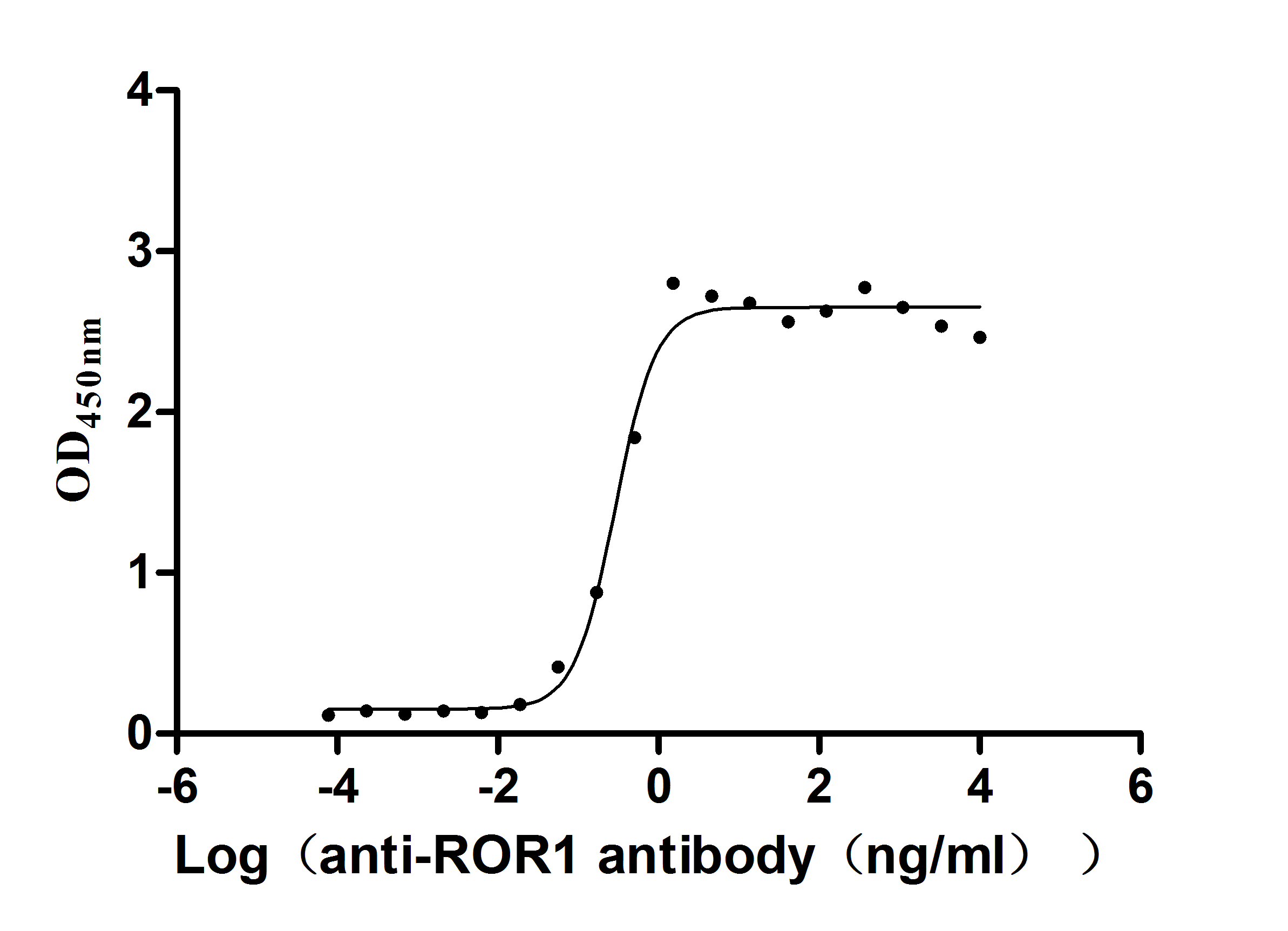
Express system: Mammalian cell
Species: Homo sapiens (Human)
-
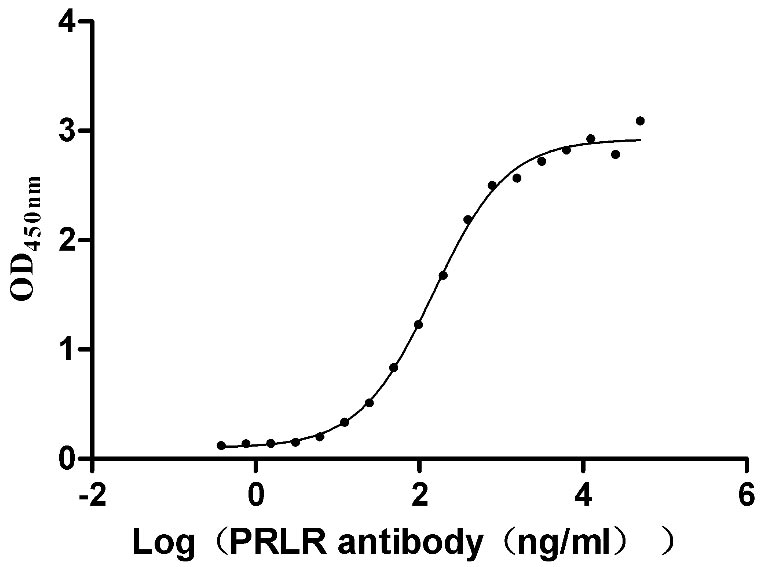
Recombinant Human Prolactin receptor (PRLR), partial (Active)
Express system: Mammalian cell
Species: Homo sapiens (Human)
-
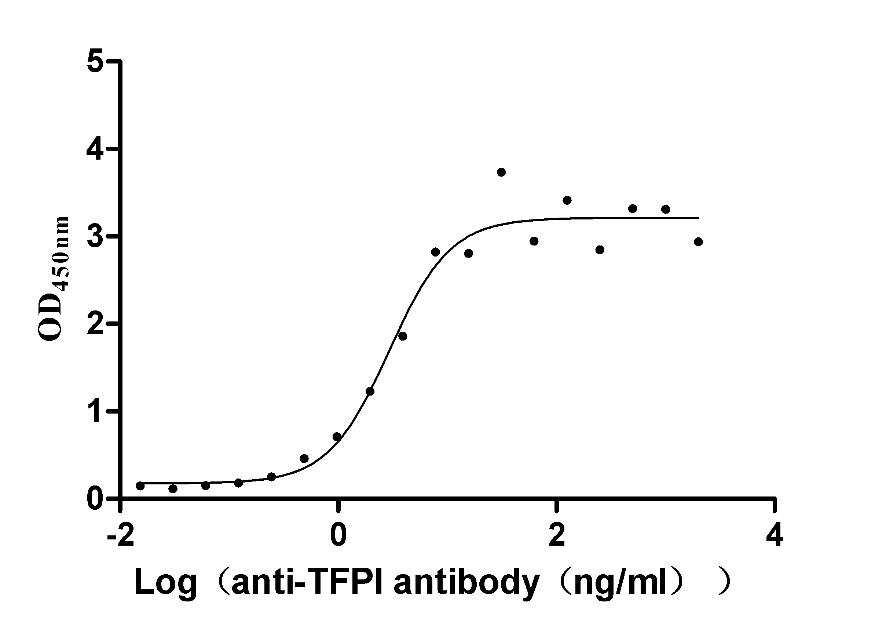
Recombinant Rabbit Tissue factor pathway inhibitor (TFPI) (Active)
Express system: Mammalian cell
Species: Oryctolagus cuniculus (Rabbit)
-
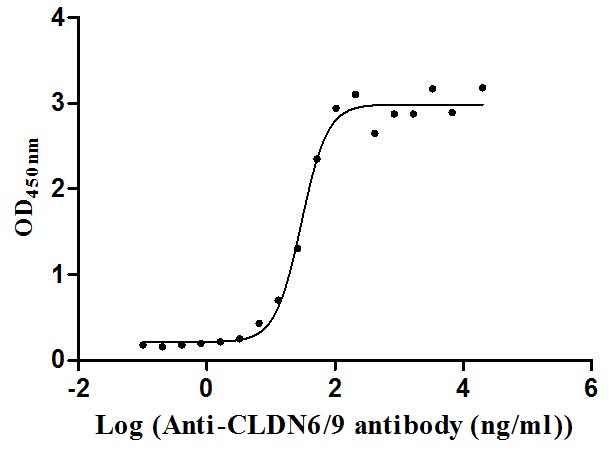
Recombinant Human Claudin-9 (CLDN9)-VLPs (Active)
Express system: Mammalian cell
Species: Homo sapiens (Human)
-
f4-AC1.jpg)
Recombinant Human Claudin-6 (CLDN6)-VLPs, Fluorescent (Active)
Express system: Mammalian cell
Species: Homo sapiens (Human)
-
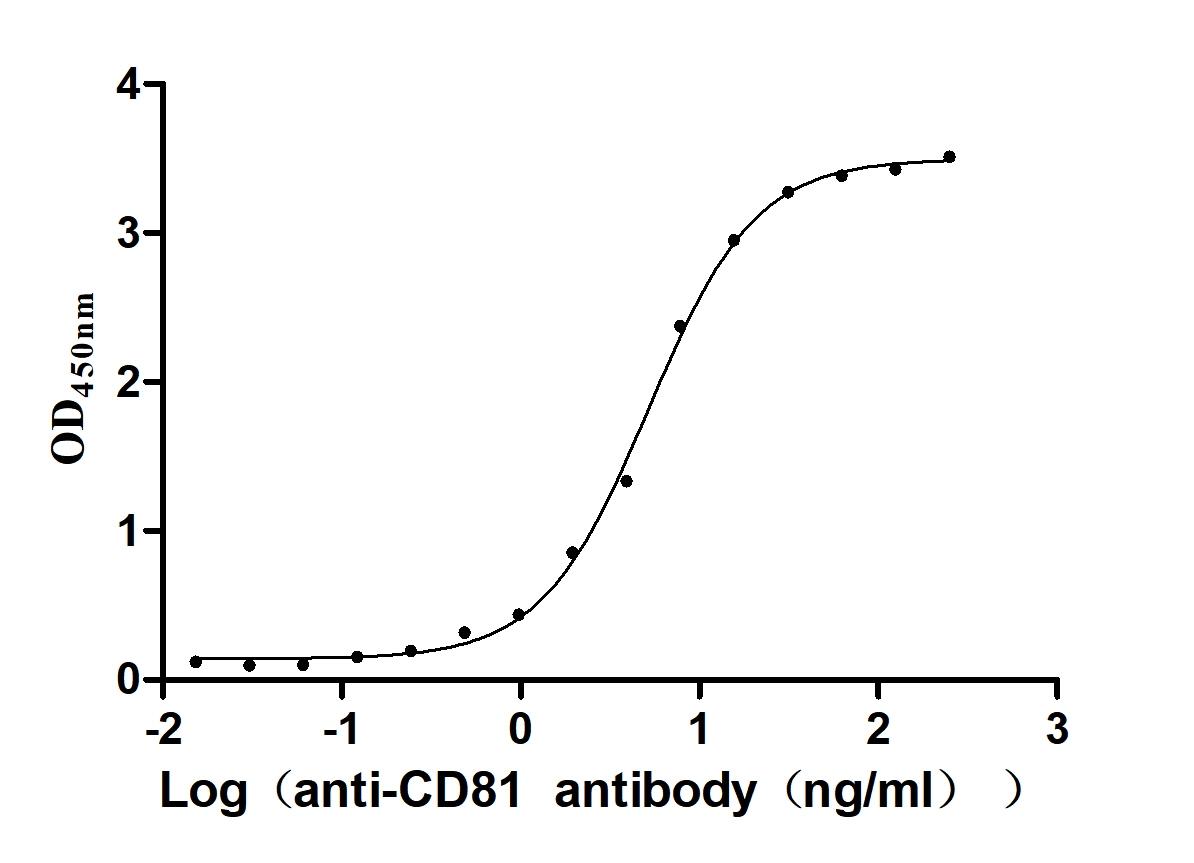
Recombinant Human CD81 antigen (CD81), partial (Active)
Express system: Mammalian cell
Species: Homo sapiens (Human)
-
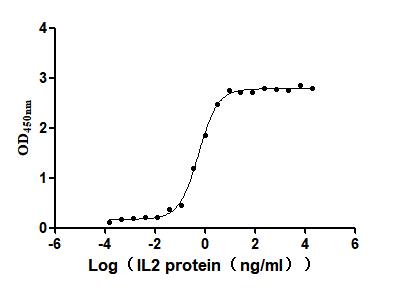
Recombinant Human Interleukin-2 (IL2) (Active)
Express system: Mammalian cell
Species: Homo sapiens (Human)