Recombinant Mouse RNA polymerase I-specific transcription initiation factor RRN3 (Rrn3)
-
中文名稱:小鼠Rrn3重組蛋白
-
貨號:CSB-YP020525MO
-
規格:
-
來源:Yeast
-
其他:
-
中文名稱:小鼠Rrn3重組蛋白
-
貨號:CSB-EP020525MO
-
規格:
-
來源:E.coli
-
其他:
-
中文名稱:小鼠Rrn3重組蛋白
-
貨號:CSB-EP020525MO-B
-
規格:
-
來源:E.coli
-
共軛:Avi-tag Biotinylated
E. coli biotin ligase (BirA) is highly specific in covalently attaching biotin to the 15 amino acid AviTag peptide. This recombinant protein was biotinylated in vivo by AviTag-BirA technology, which method is BriA catalyzes amide linkage between the biotin and the specific lysine of the AviTag.
-
其他:
-
中文名稱:小鼠Rrn3重組蛋白
-
貨號:CSB-BP020525MO
-
規格:
-
來源:Baculovirus
-
其他:
-
中文名稱:小鼠Rrn3重組蛋白
-
貨號:CSB-MP020525MO
-
規格:
-
來源:Mammalian cell
-
其他:
產品詳情
-
純度:>85% (SDS-PAGE)
-
基因名:Rrn3
-
Uniprot No.:
-
別名:Rrn3; RNA polymerase I-specific transcription initiation factor RRN3
-
種屬:Mus musculus (Mouse)
-
蛋白長度:Full length protein
-
表達區域:1-656
-
氨基酸序列MAAPLLHTRL SGDVTAAASA TLSASRTGLS DMLALESDFF NSPPKKTVRF GGTVTEVLLK YKKGETNDLE LLKNQLSDPD IKDDQIINWL LEFRSSVMYL TKDFEQLINI ILRLPWLNRS QRVVEEYLAF LGNLVSAQTV FLRPCLSMIA SHFVPPRVIV KEGGIDVSDS DDEDDNLPAI FDTCHRALQI ITRYVPSTPW FLMPILVEKF PFVRKSERTL ECYVHNLLRI SLYFPTLRRE ILELVIEKLL KLDVSVSRQD IEDAEEKAAQ TCGGTDTTEG LFNMDEDEDT DPEKKADQEQ PNQMAHPTAE RLDVLLCLLL SYIEDVCRVH GKIDNNKTKD LYRDLISIFD KLLLPTHASC HVQFFMFFLC SFKLGFAEAF LEHLWKKLQD PNNPAIIRQA AANYIGSFLA RAKFIPLITV KTCLDLLVNW LHMYLTNQDS GTKAFCDVAL HGPFYSACQA VFYTVVFRHK QLLSGNLKQG LQYLQSLNFE RIVLSQLNPL KICLPQVVNF FAAITNKYQL VFCYTIMERN SRQMLPVIRS TAGGDSVQTC TNPLDTFFPF DPCVLKRSKK FIDPIYQIWE DGSAEELQEF KKSTKKEVVE DEDDDFLKGE VPQSDTVTGL TPSSFDTHFQ SPSSSVGSPP VLYIPGQSPL LTRIYD
-
蛋白標簽:Tag?type?will?be?determined?during?the?manufacturing?process.
The tag type will be determined during production process. If you have specified tag type, please tell us and we will develop the specified tag preferentially. -
產品提供形式:Lyophilized powder
Note: We will preferentially ship the format that we have in stock, however, if you have any special requirement for the format, please remark your requirement when placing the order, we will prepare according to your demand. -
復溶:We recommend that this vial be briefly centrifuged prior to opening to bring the contents to the bottom. Please reconstitute protein in deionized sterile water to a concentration of 0.1-1.0 mg/mL.We recommend to add 5-50% of glycerol (final concentration) and aliquot for long-term storage at -20℃/-80℃. Our default final concentration of glycerol is 50%. Customers could use it as reference.
-
儲存條件:Store at -20°C/-80°C upon receipt, aliquoting is necessary for mutiple use. Avoid repeated freeze-thaw cycles.
-
保質期:The shelf life is related to many factors, storage state, buffer ingredients, storage temperature and the stability of the protein itself.
Generally, the shelf life of liquid form is 6 months at -20°C/-80°C. The shelf life of lyophilized form is 12 months at -20°C/-80°C. -
貨期:Delivery time may differ from different purchasing way or location, please kindly consult your local distributors for specific delivery time.Note: All of our proteins are default shipped with normal blue ice packs, if you request to ship with dry ice, please communicate with us in advance and extra fees will be charged.
-
注意事項:Repeated freezing and thawing is not recommended. Store working aliquots at 4°C for up to one week.
-
Datasheet :Please contact us to get it.
產品評價

靶點詳情
-
功能:Required for efficient transcription initiation by RNA polymerase I. Required for the formation of the competent preinitiation complex (PIC). Dissociates from pol I as a consequence of transcription. In vitro, cannot activate transcription in a subsequent transcription reaction.
-
基因功能參考文獻:
- Conditional deletion of the Rrn3 gene inhibits RNA polymerase I transcription but does not affect pre-initiation complex formation. PMID: 28715449
- The results exemplify how stress-induced inactivation of TIF-IA and long non-coding RNA -dependent changes of chromatin structure ensure repression of ribosomal RNA synthesis in response to thermo-stress. PMID: 27257073
- These data support a model in which activated Akt enhances rRNA synthesis both by preventing TIF-IA degradation and phosphorylating CK2alpha, which in turn phosphorylates TIF-IA. PMID: 24297901
- DNA binding by the ribosomal DNA transcription factor rrn3 is essential for ribosomal DNA transcription PMID: 23393135
- Ablation of TIF-IA leads to impaired nucleolar activity and results in increased levels of the proapoptotic transcription factor p53 in both neural progenitors and hippocampal neurons but induces rapid apoptosis only in neural progenitors. PMID: 19036968
- Rrn3 regulates rDNA transcription by determining the steady-state concentration of the Rrn3.RNA polymerase I complex within the nucleolus. (RRN3) PMID: 12015311
- ERK-dependent phosphorylation of the transcription initiation factor TIF-IA is required for RNA polymerase I transcription and cell growth. PMID: 12620228
- Genetic inactivation of Tif1a leads to nucleolar disruption, cell cycle arrest, and p53-mediated apoptosis. PMID: 15989966
顯示更多
收起更多
-
亞細胞定位:Nucleus, nucleolus.
-
蛋白家族:RRN3 family
-
數據庫鏈接:
Most popular with customers
-
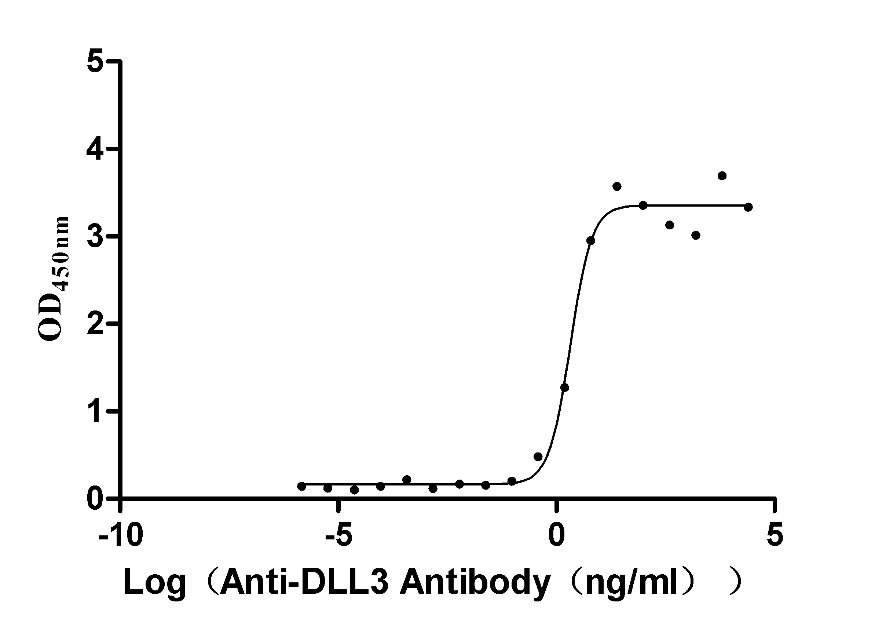
Recombinant Macaca fascicularis Delta-like protein 3 (DLL3), partial (Active)
Express system: Mammalian cell
Species: Macaca fascicularis (Crab-eating macaque) (Cynomolgus monkey)
-
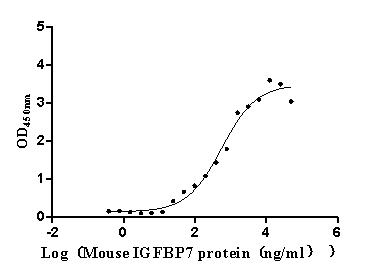
Recombinant Mouse Complement component C1q receptor (Cd93), partial (Active)
Express system: Mammalian cell
Species: Mus musculus (Mouse)
-
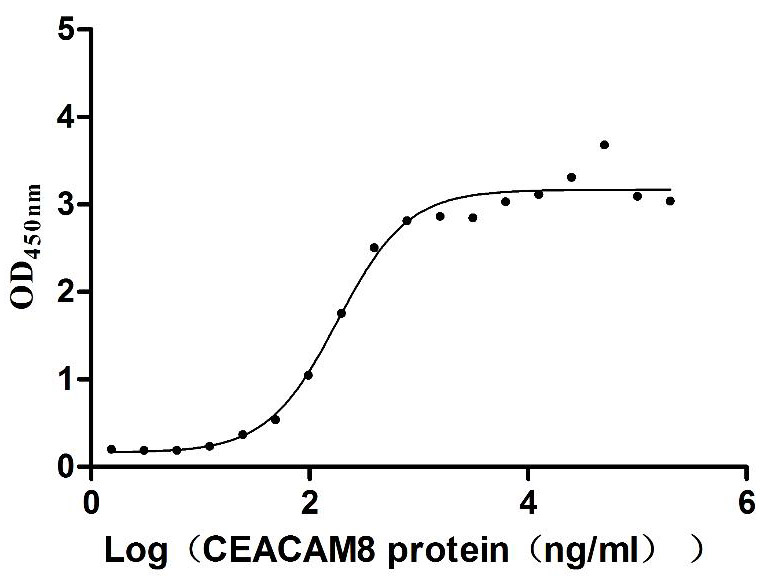
Recombinant Human Carcinoembryonic antigen-related cell adhesion molecule 6 (CEACAM6) (Active)
Express system: Mammalian cell
Species: Homo sapiens (Human)
-
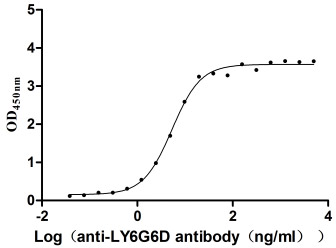
Recombinant Macaca fascicularis lymphocyte antigen 6 family member G6D (LY6G6D) (Active)
Express system: Yeast
Species: Macaca fascicularis (Crab-eating macaque) (Cynomolgus monkey)
-
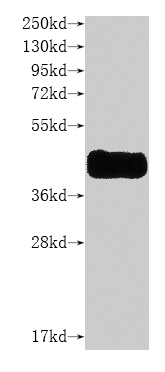
Recombinant Human C-C chemokine receptor type 8 (CCR8)-VLPs (Active)
Express system: Mammalian cell
Species: Homo sapiens (Human)
-
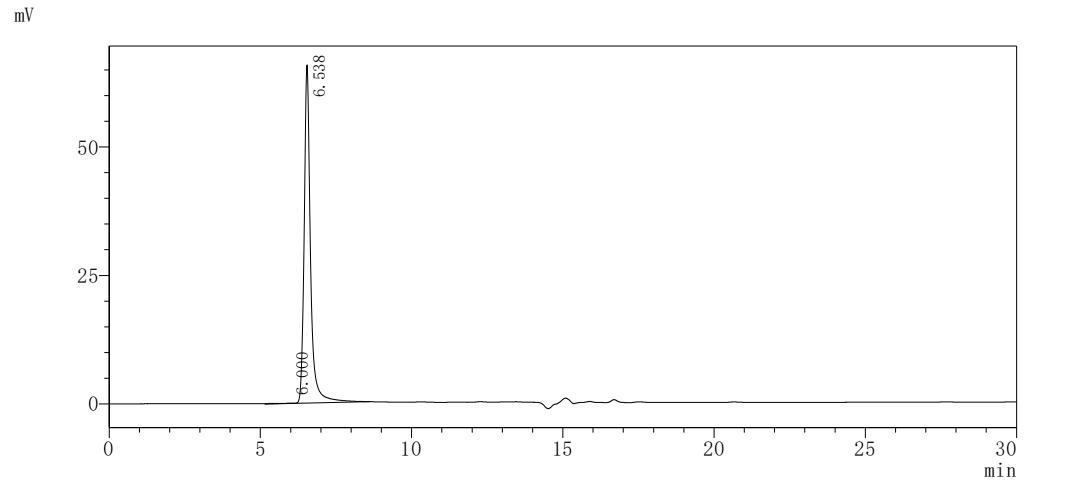
Recombinant Human C-C chemokine receptor type 9 (CCR9)-VLPs (Active)
Express system: Mammalian cell
Species: Homo sapiens (Human)
-
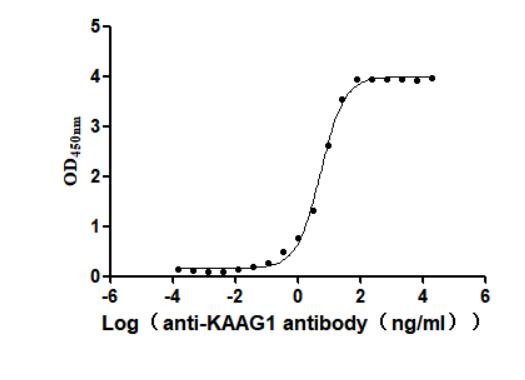
Recombinant Human Kidney-associated antigen 1(KAAG1) (Active)
Express system: Baculovirus
Species: Homo sapiens (Human)