Recombinant Mouse DCC-interacting protein 13-alpha (Appl1)
-
中文名稱:Recombinant Mouse DCC-interacting protein 13-alpha(Appl1)
-
貨號:CSB-YP815668MO
-
規格:
-
來源:Yeast
-
其他:
-
中文名稱:Recombinant Mouse DCC-interacting protein 13-alpha(Appl1)
-
貨號:CSB-EP815668MO
-
規格:
-
來源:E.coli
-
其他:
-
中文名稱:Recombinant Mouse DCC-interacting protein 13-alpha(Appl1)
-
貨號:CSB-EP815668MO-B
-
規格:
-
來源:E.coli
-
共軛:Avi-tag Biotinylated
E. coli biotin ligase (BirA) is highly specific in covalently attaching biotin to the 15 amino acid AviTag peptide. This recombinant protein was biotinylated in vivo by AviTag-BirA technology, which method is BriA catalyzes amide linkage between the biotin and the specific lysine of the AviTag.
-
其他:
-
中文名稱:Recombinant Mouse DCC-interacting protein 13-alpha(Appl1)
-
貨號:CSB-BP815668MO
-
規格:
-
來源:Baculovirus
-
其他:
-
中文名稱:Recombinant Mouse DCC-interacting protein 13-alpha(Appl1)
-
貨號:CSB-MP815668MO
-
規格:
-
來源:Mammalian cell
-
其他:
產品詳情
-
純度:>85% (SDS-PAGE)
-
基因名:Appl1
-
Uniprot No.:
-
別名:Appl1; Dip13a; Kiaa1428DCC-interacting protein 13-alpha; Dip13-alpha; Adapter protein containing PH domain; PTB domain and leucine zipper motif 1
-
種屬:Mus musculus (Mouse)
-
蛋白長度:full length protein
-
表達區域:1-707
-
氨基酸序列MPGIDKLPIE ETLEDSPQTR SLLGVFEEDA TAISNYMNQL YQAMHRIYDA QNELSAATHL TSKLLKEYEK QRFPLGGDDE VMSSTLQQFS KVIDELSSCH AVLSTQLADA MMFPISQFKE RDLKEILTLK EVFQIASNDH DAAINRYSRL SKKRENDKVK YEVTEDVYTS RKKQHQTMMH YFCALNTLQY KKKIALLEPL LGYMQAQISF FKMGSENLNG QLEEFLANIG TSVQNVRREM DGDVETMQQT IEDLEVASDP LYLPDPDPTK FPINRNLTRK AGYLNARNKT GLVSSTWDRQ FYFTQGGNLM SQARGDVAGG LAMDIDNCSV MAVDCEDRRY CFQITSFDGK KSSILQAESK KDHEEWICTI NNISKQIYLS ENPEETAARV NQSALEAVTP SPSFQQRHES LRPGGQSRPP TARTSSSGSL GSESTNLAAL SLDSLVAPDT PIQFDIISPV CEDQPGQAKA FGQGGRRTNP FGESGGSTKS ETEDSILHQL FIVRFLGSME VKSDDHPDVV YETMRQILAA RAIHNIFRMT ESHLLVTCDC LKLIDPQTQV TRLTFPLPCV VLYATHQENK RLFGFVLRTS GGRSESNLSS VCYIFESNNE GEKICDSVGL AKQIALHAEL DRRASEKQKE IERVKEKQQK ELSKQKQIEK DLEEQSRLIA ASSRPNQAGS EGQLVLSSSQ SEESDLGEEG KKRESEA
-
蛋白標簽:Tag?type?will?be?determined?during?the?manufacturing?process.
The tag type will be determined during production process. If you have specified tag type, please tell us and we will develop the specified tag preferentially. -
產品提供形式:Lyophilized powder
Note: We will preferentially ship the format that we have in stock, however, if you have any special requirement for the format, please remark your requirement when placing the order, we will prepare according to your demand. -
復溶:We recommend that this vial be briefly centrifuged prior to opening to bring the contents to the bottom. Please reconstitute protein in deionized sterile water to a concentration of 0.1-1.0 mg/mL.We recommend to add 5-50% of glycerol (final concentration) and aliquot for long-term storage at -20℃/-80℃. Our default final concentration of glycerol is 50%. Customers could use it as reference.
-
儲存條件:Store at -20°C/-80°C upon receipt, aliquoting is necessary for mutiple use. Avoid repeated freeze-thaw cycles.
-
保質期:The shelf life is related to many factors, storage state, buffer ingredients, storage temperature and the stability of the protein itself.
Generally, the shelf life of liquid form is 6 months at -20°C/-80°C. The shelf life of lyophilized form is 12 months at -20°C/-80°C. -
貨期:Delivery time may differ from different purchasing way or location, please kindly consult your local distributors for specific delivery time.Note: All of our proteins are default shipped with normal blue ice packs, if you request to ship with dry ice, please communicate with us in advance and extra fees will be charged.
-
注意事項:Repeated freezing and thawing is not recommended. Store working aliquots at 4°C for up to one week.
-
Datasheet :Please contact us to get it.
產品評價

靶點詳情
-
功能:Multifunctional adapter protein that binds to various membrane receptors, nuclear factors and signaling proteins to regulate many processes, such as cell proliferation, immune response, endosomal trafficking and cell metabolism. Regulates signaling pathway leading to cell proliferation through interaction with RAB5A and subunits of the NuRD/MeCP1 complex. Functions as a positive regulator of innate immune response via activation of AKT1 signaling pathway by forming a complex with APPL1 and PIK3R1. Inhibits Fc-gamma receptor-mediated phagocytosis through PI3K/Akt signaling in macrophages. Regulates TLR4 signaling in activated macrophages. Involved in trafficking of the TGFBR1 from the endosomes to the nucleus via microtubules in a TRAF6-dependent manner. Plays a role in cell metabolism by regulating adiponecting and insulin signaling pathways. Required for fibroblast migration through HGF cell signaling. Positive regulator of beta-catenin/TCF-dependent transcription through direct interaction with RUVBL2/reptin resulting in the relief of RUVBL2-mediated repression of beta-catenin/TCF target genes by modulating the interactions within the beta-catenin-reptin-HDAC complex.
-
基因功能參考文獻:
- APPL1 enhances glucose uptake by modulating the activation and localization of PKCzeta, as well as its functional interaction with both PP2A and myosin IIa. PMID: 27478065
- APPL1-SirT1-STAT3 pathway mediated adiponectin signaling in primary hepatocytes. PMID: 27246173
- Here we establish potential roles for APPL1 and 2 signaling adaptors as regulators of LPS/TLR4-induced signaling, transcription, and cytokine secretion. PMID: 27219021
- Appl1/2-null mouse embryonic fibroblasts exhibited defects in HGF-induced Akt activation, migration, and invasion. PMID: 26445298
- In experimental high glucose condition APPL1 acts as a protective factor against podocytes injury through regulating AMPK signaling. PMID: 26261560
- A role for APPL1 in TLR3/4-dependent TBK1 and IKKepsilon activation in macrophages. PMID: 25780039
- APPL1 sensitizes insulin signaling by acting at a site downstream of the IR. Study uncovers a mechanism regulating insulin signaling and crosstalk between the insulin and adiponectin pathways. PMID: 24813896
- Study demonstrates the roles of APPL1 in regulating GSIS and mitochondrial function in pancreatic beta cells, which implicates APPL1 as a therapeutic target in the treatment of type 2 diabetes. PMID: 23793716
- APPL1 transgenic mice exhibit improved peripheral metabolism, reduced cardiac lipotoxicity, and improved insulin sensitivity. PMID: 23921137
- Our findings demonstrate that exercise training performed concomitantly to a high-fat diet reduces the degree of insulin resistance and improves adipoR1-2/APPL1 protein levels in the hepatic, adipose, and skeletal muscle tissue PMID: 23046739
- APPL1 contributes to connecting synaptic NMDA receptors with the intracellular phosphoinositide 3-kinase /Akt cascade in neurons. PMID: 22933778
- Reduced APPL1 expression in pancreatic islets may serve as a pathological link that couples insulin resistance to beta-cell dysfunction in type 2 diabetes. PMID: 22566644
- Endurance training was able to increase APPL1 expression. PMID: 21938726
- APPL1 plays a key role in coordinating the vasodilator and vasoconstrictor effects of insulin by modulating Akt-dependent NO production and ERK1/2-mediated ET-1 secretion in the endothelium. PMID: 21926268
- Data found that the inhibitory effect of adiponectin on osteoclasts was induced by APPL1-mediated down-regulation of Akt1 activity. PMID: 21300805
- Appl1 is dispensable for Akt signaling in vivo and T-cell differentiation. PMID: 20665729
- The promyogenic function of Cdo involves a coordinated activation of p38MAPK and Akt via association with scaffold proteins, JLP and Bnip-2 for p38MAPK and APPL1 for Akt. PMID: 20484574
- Appl proteins are required for HGF-induced cell survival and migration via activation of Akt PMID: 20040596
- Overexpression of APPL1 protein in the liver of db/db obese mice suppressed the interaction between Proto-Oncogene Proteins c-akt and TRB3 protein. PMID: 19416712
- Adiponectin activates AMP-activated protein kinase in muscle cells via APPL1/LKB1-dependent and phospholipase C/Ca2+/Ca2+/calmodulin-dependent protein kinase kinase-dependent pathways PMID: 19520843
顯示更多
收起更多
-
亞細胞定位:Early endosome membrane; Peripheral membrane protein. Nucleus. Cytoplasm. Endosome. Cell projection, ruffle. Cytoplasmic vesicle, phagosome.
-
組織特異性:Expressed in insulin-target tissues including skeletal muscle, liver, fat, and brain.
-
數據庫鏈接:
Most popular with customers
-
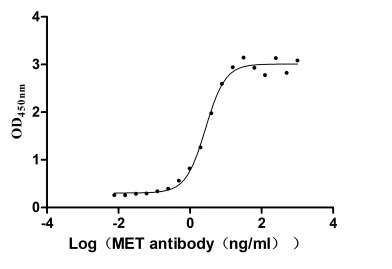
Recombinant Human Hepatocyte growth factor receptor (MET), partial (Active)
Express system: Mammalian cell
Species: Homo sapiens (Human)
-
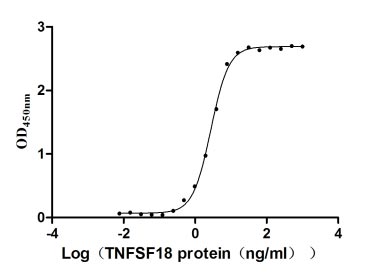
Recombinant Human Tumor necrosis factor ligand superfamily member 18 (TNFSF18), partial (Active)
Express system: Mammalian cell
Species: Homo sapiens (Human)
-
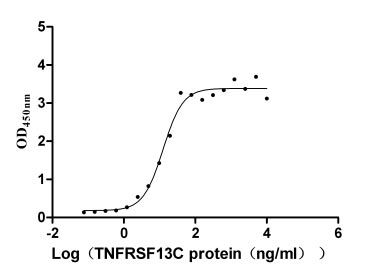
Express system: Mammalian cell
Species: Homo sapiens (Human)
-
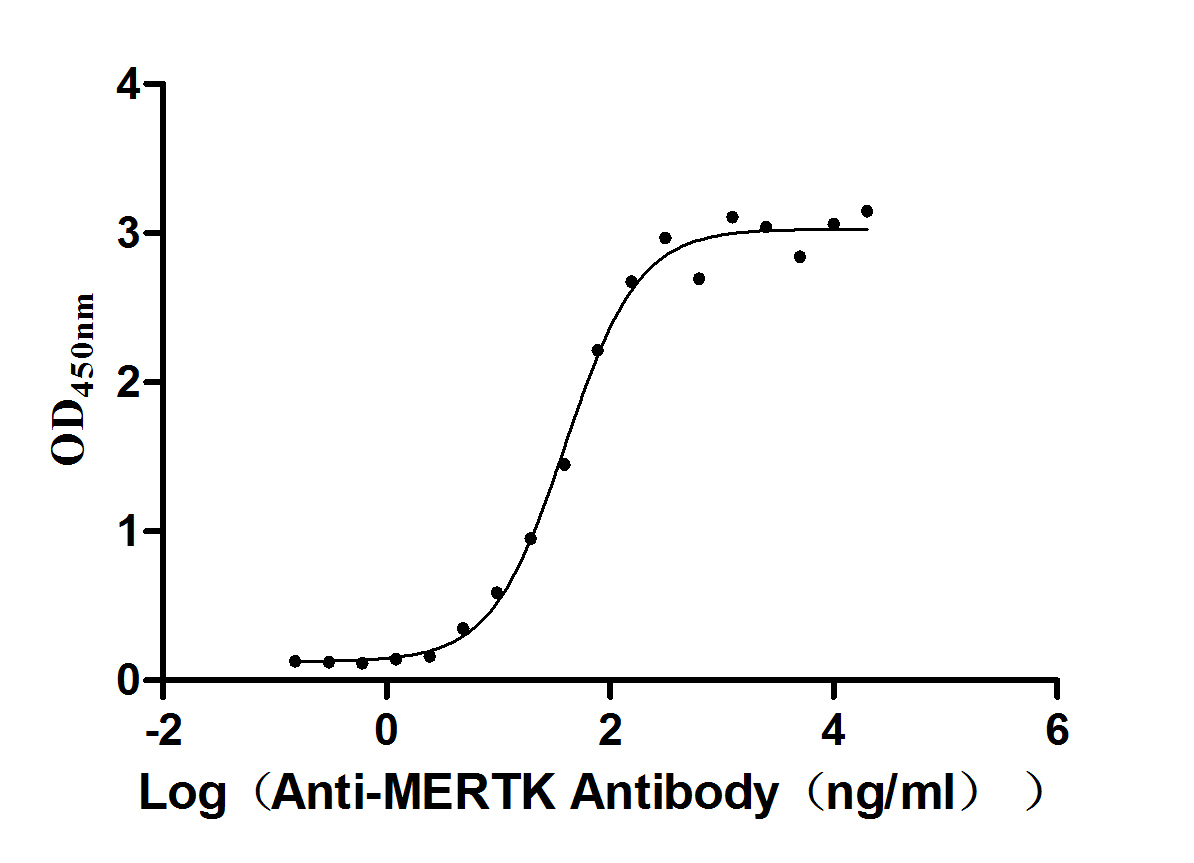
Recombinant Human Tyrosine-protein kinase Mer (MERTK), partial (Active)
Express system: Mammalian cell
Species: Homo sapiens (Human)
-
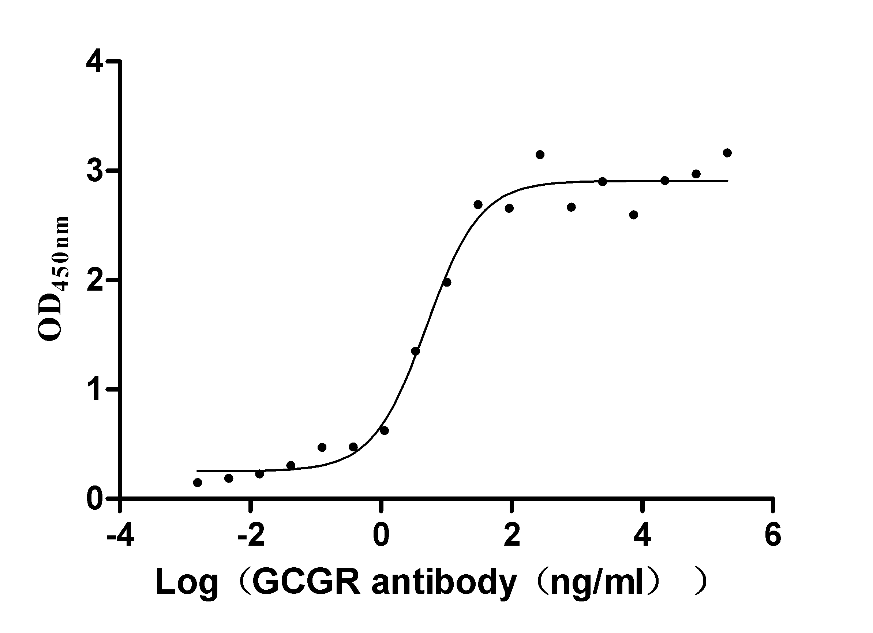
Recombinant Human Glucagon receptor (GCGR), partial (Active)
Express system: Mammalian cell
Species: Homo sapiens (Human)
-
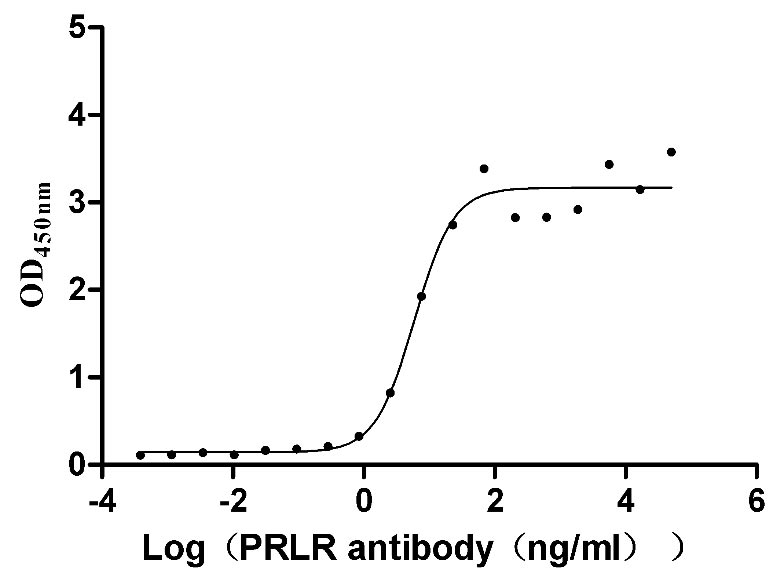
Recombinant Mouse Prolactin receptor (Prlr), partial (Active)
Express system: Mammalian cell
Species: Mus musculus (Mouse)
-
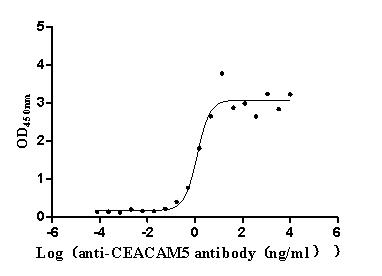
Express system: Mammalian cell
Species: Homo sapiens (Human)
-
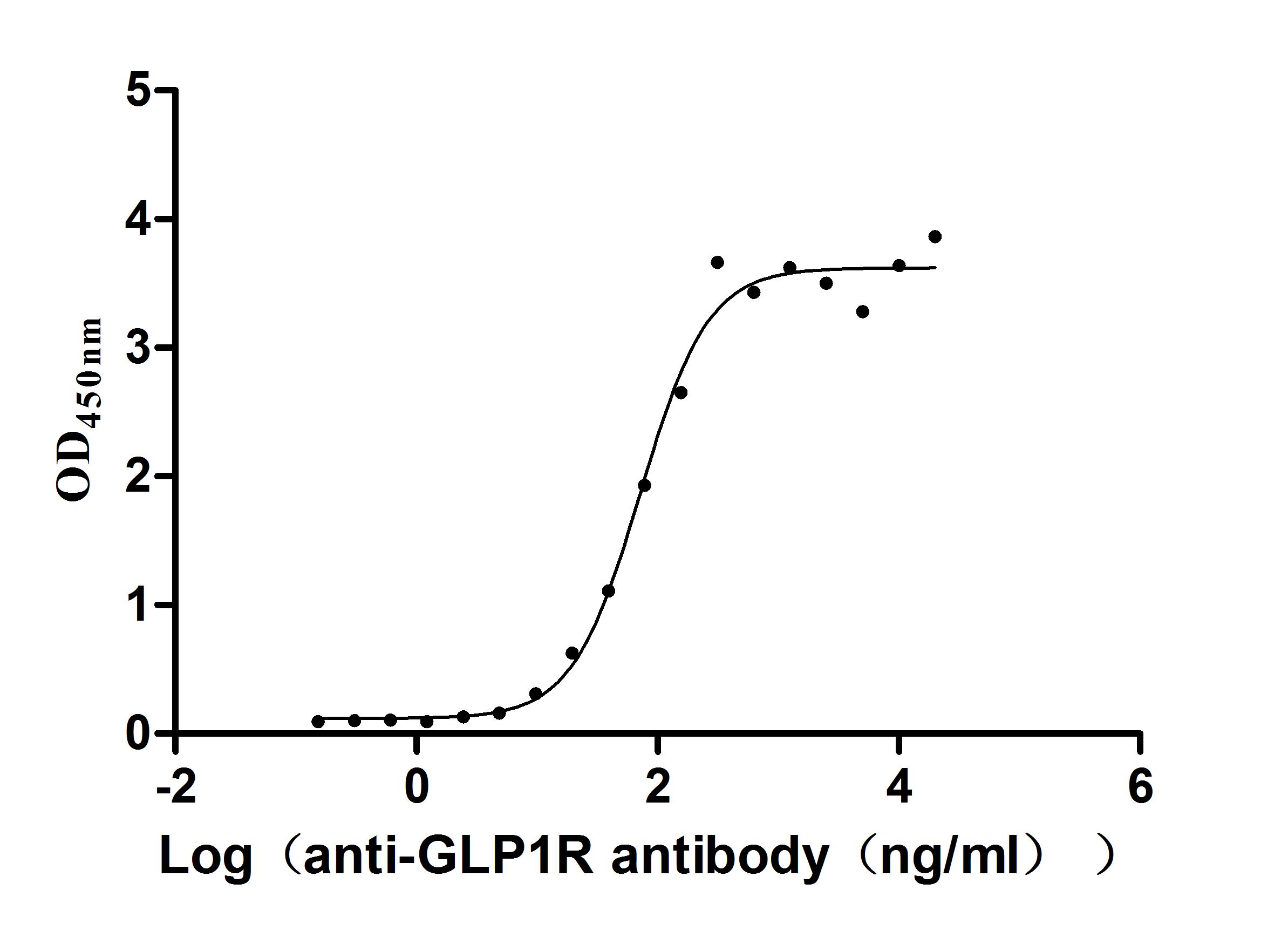
Recombinant Human Glucagon-like peptide 1 receptor (GLP1R), partial (Active)
Express system: Mammalian cell
Species: Homo sapiens (Human)