Recombinant Macaca fascicularis Mucolipin-1 (MCOLN1), partial
-
中文名稱:獼猴MCOLN1重組蛋白
-
貨號:CSB-YP720219MOV1
-
規格:
-
來源:Yeast
-
其他:
-
中文名稱:獼猴MCOLN1重組蛋白
-
貨號:CSB-EP720219MOV1
-
規格:
-
來源:E.coli
-
其他:
-
中文名稱:獼猴MCOLN1重組蛋白
-
貨號:CSB-EP720219MOV1-B
-
規格:
-
來源:E.coli
-
共軛:Avi-tag Biotinylated
E. coli biotin ligase (BirA) is highly specific in covalently attaching biotin to the 15 amino acid AviTag peptide. This recombinant protein was biotinylated in vivo by AviTag-BirA technology, which method is BriA catalyzes amide linkage between the biotin and the specific lysine of the AviTag.
-
其他:
-
中文名稱:獼猴MCOLN1重組蛋白
-
貨號:CSB-BP720219MOV1
-
規格:
-
來源:Baculovirus
-
其他:
-
中文名稱:獼猴MCOLN1重組蛋白
-
貨號:CSB-MP720219MOV1
-
規格:
-
來源:Mammalian cell
-
其他:
產品詳情
-
純度:>85% (SDS-PAGE)
-
基因名:
-
Uniprot No.:
-
別名:MCOLN1; QorA-13738; Mucolipin-1; Mucolipidin; Transient receptor potential channel mucolipin 1; TRPML1
-
種屬:Macaca fascicularis (Crab-eating macaque) (Cynomolgus monkey)
-
蛋白長度:Partial
-
蛋白標簽:Tag?type?will?be?determined?during?the?manufacturing?process.
The tag type will be determined during production process. If you have specified tag type, please tell us and we will develop the specified tag preferentially. -
產品提供形式:Lyophilized powder
Note: We will preferentially ship the format that we have in stock, however, if you have any special requirement for the format, please remark your requirement when placing the order, we will prepare according to your demand. -
復溶:We recommend that this vial be briefly centrifuged prior to opening to bring the contents to the bottom. Please reconstitute protein in deionized sterile water to a concentration of 0.1-1.0 mg/mL.We recommend to add 5-50% of glycerol (final concentration) and aliquot for long-term storage at -20℃/-80℃. Our default final concentration of glycerol is 50%. Customers could use it as reference.
-
儲存條件:Store at -20°C/-80°C upon receipt, aliquoting is necessary for mutiple use. Avoid repeated freeze-thaw cycles.
-
保質期:The shelf life is related to many factors, storage state, buffer ingredients, storage temperature and the stability of the protein itself.
Generally, the shelf life of liquid form is 6 months at -20°C/-80°C. The shelf life of lyophilized form is 12 months at -20°C/-80°C. -
貨期:Delivery time may differ from different purchasing way or location, please kindly consult your local distributors for specific delivery time.Note: All of our proteins are default shipped with normal blue ice packs, if you request to ship with dry ice, please communicate with us in advance and extra fees will be charged.
-
注意事項:Repeated freezing and thawing is not recommended. Store working aliquots at 4°C for up to one week.
-
Datasheet :Please contact us to get it.
產品評價

相關產品
靶點詳情
-
功能:Nonselective cation channel probably playing a role in the regulation of membrane trafficking events and of metal homeostasis. Proposed to play a major role in Ca(2+) release from late endosome and lysosome vesicles to the cytoplasm, which is important for many lysosome-dependent cellular events, including the fusion and trafficking of these organelles, exocytosis and autophagy. Required for efficient uptake of large particles in macrophages in which Ca(2+) release from the lysosomes triggers lysosomal exocytosis. May also play a role in phagosome-lysosome fusion. Involved in lactosylceramide trafficking indicative for a role in the regulation of late endocytic membrane fusion/fission events. By mediating lysosomal Ca(2+) release is involved in regulation of mTORC1 signaling and in mTOR/TFEB-dependent lysosomal adaptation to environmental cues such as nutrient levels. Seems to act as lysosomal active oxygen species (ROS) sensor involved in ROS-induced TFEB activation and autophagy. Functions as a Fe(2+) permeable channel in late endosomes and lysosomes. Proposed to play a role in zinc homeostasis probably implicating its association with TMEM163. In adaptive immunity, TRPML2 and TRPML1 may play redundant roles in the function of the specialized lysosomes of B cells.; May contribute to cellular lipase activity within the late endosomal pathway or at the cell surface which may be involved in processes of membrane reshaping and vesiculation, especially the growth of tubular structures. However, it is not known, whether it conveys the enzymatic activity directly, or merely facilitates the activity of an associated phospholipase.
-
亞細胞定位:Late endosome membrane; Multi-pass membrane protein. Lysosome membrane; Multi-pass membrane protein. Cytoplasmic vesicle membrane; Multi-pass membrane protein. Cell projection, phagocytic cup. Cytoplasmic vesicle, phagosome membrane; Multi-pass membrane protein. Cell membrane; Multi-pass membrane protein.
-
蛋白家族:Transient receptor (TC 1.A.4) family, Polycystin subfamily, MCOLN1 sub-subfamily
-
數據庫鏈接:
KEGG: mcf:102143748
UniGene: Mfa.6343
Most popular with customers
-
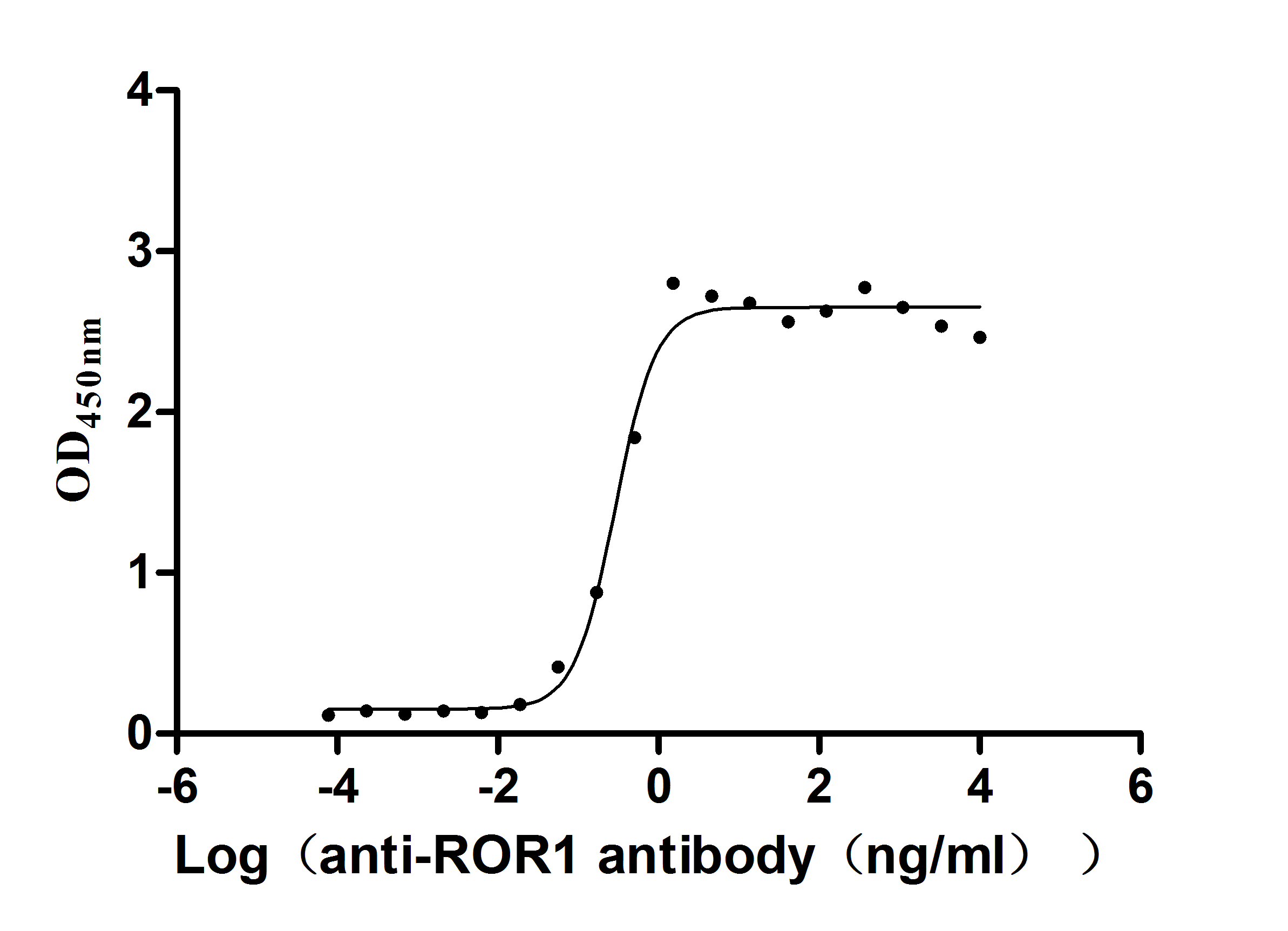
Express system: Mammalian cell
Species: Homo sapiens (Human)
-
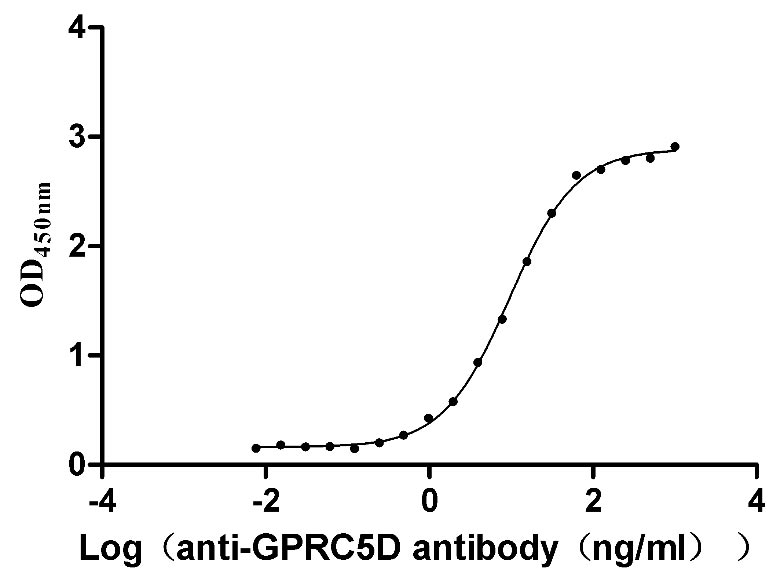
Recombinant Human G-protein coupled receptor family C group 5 member D (GPRC5D)-VLPs (Active)
Express system: Mammalian cell
Species: Homo sapiens (Human)
-
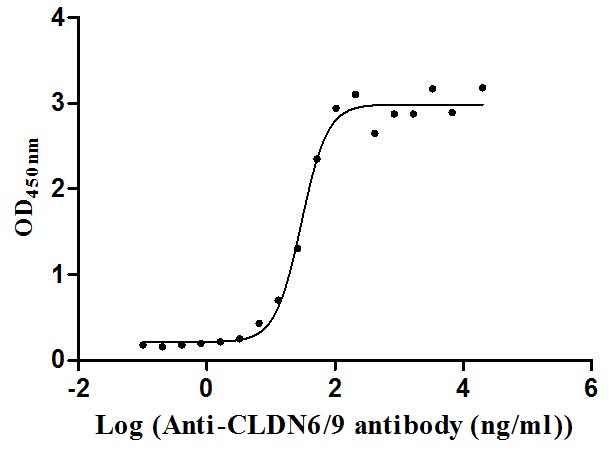
Recombinant Human Claudin-9 (CLDN9)-VLPs (Active)
Express system: Mammalian cell
Species: Homo sapiens (Human)
-
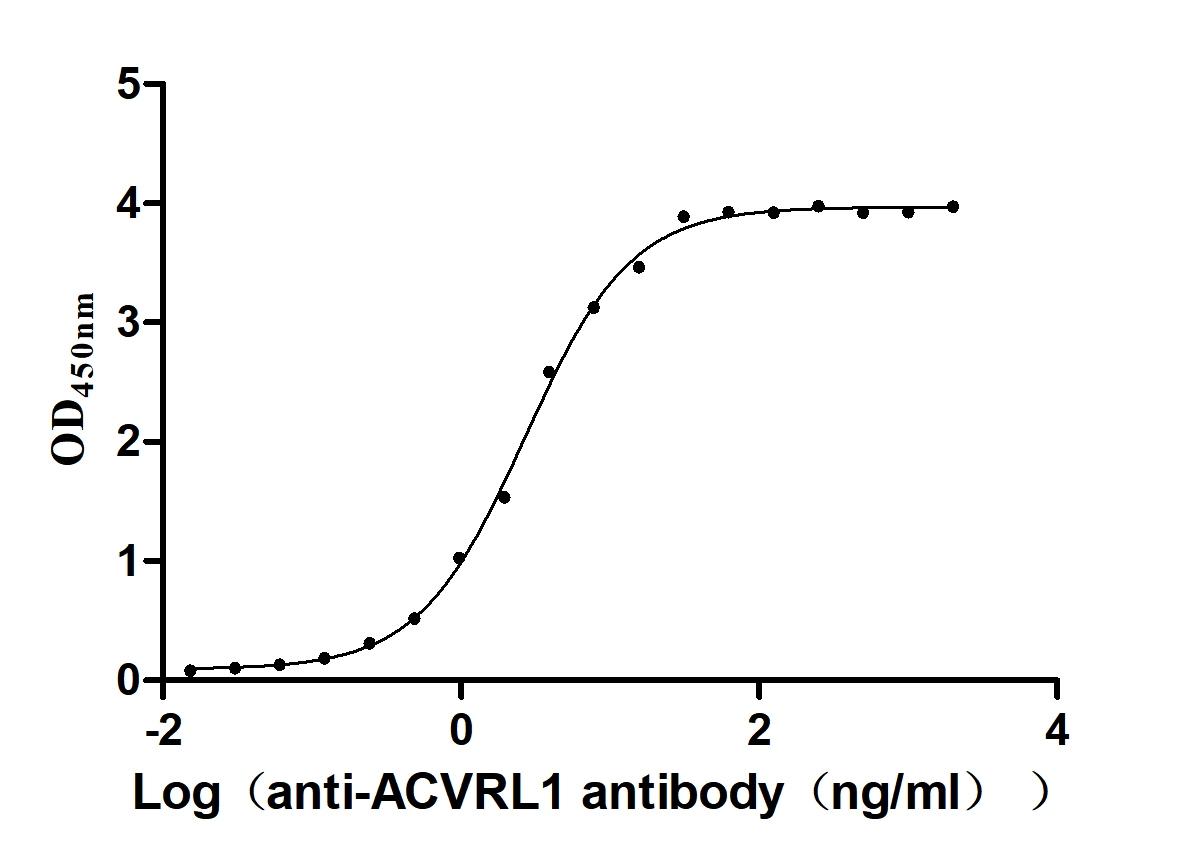
Recombinant Human Serine/threonine-protein kinase receptor R3 (ACVRL1), partial (Active)
Express system: Baculovirus
Species: Homo sapiens (Human)
-
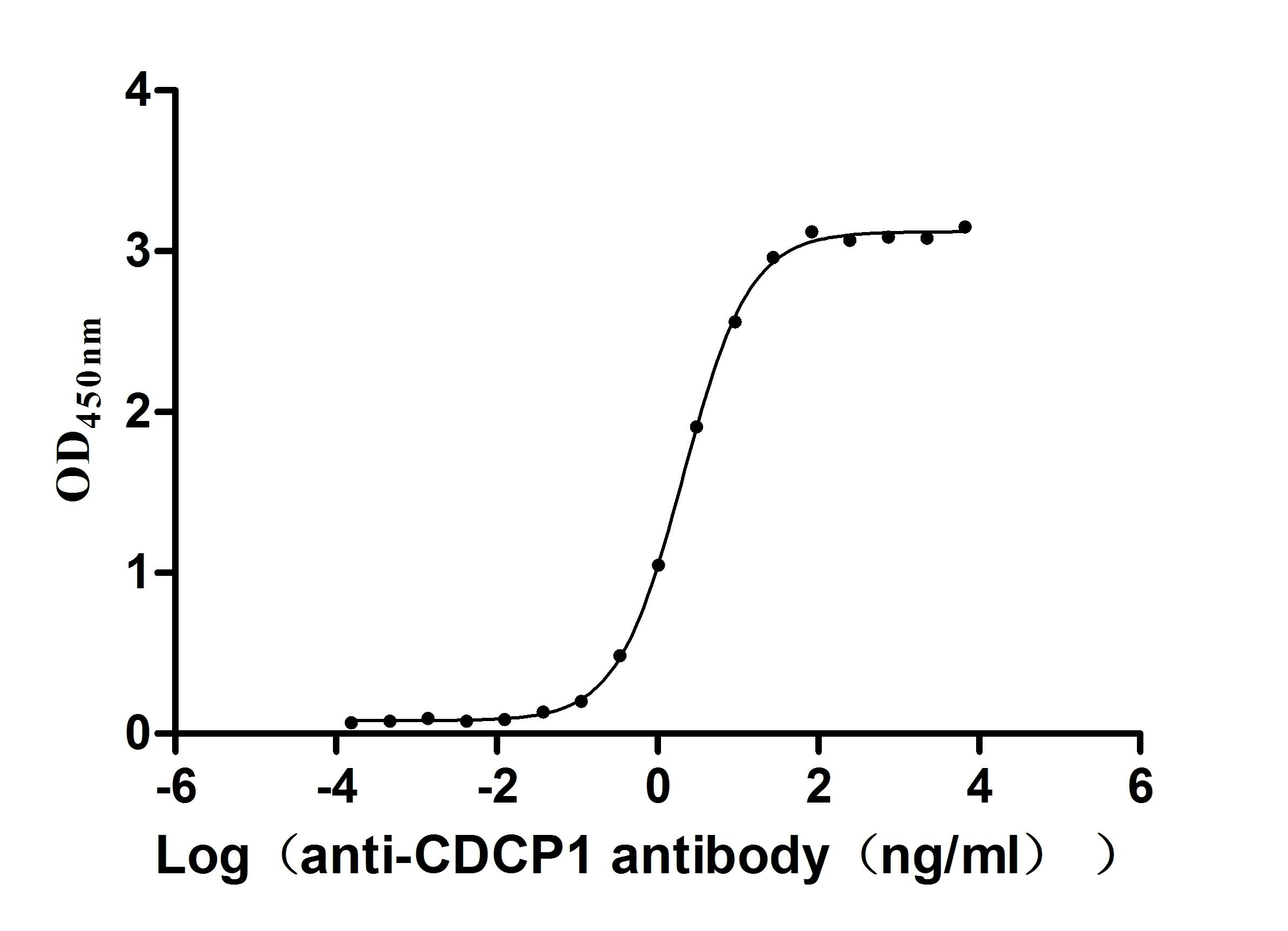
Recombinant Macaca fascicularis CUB domain containing protein 1 (CDCP1), partial (Active)
Express system: Mammalian cell
Species: Macaca fascicularis (Crab-eating macaque) (Cynomolgus monkey)
-
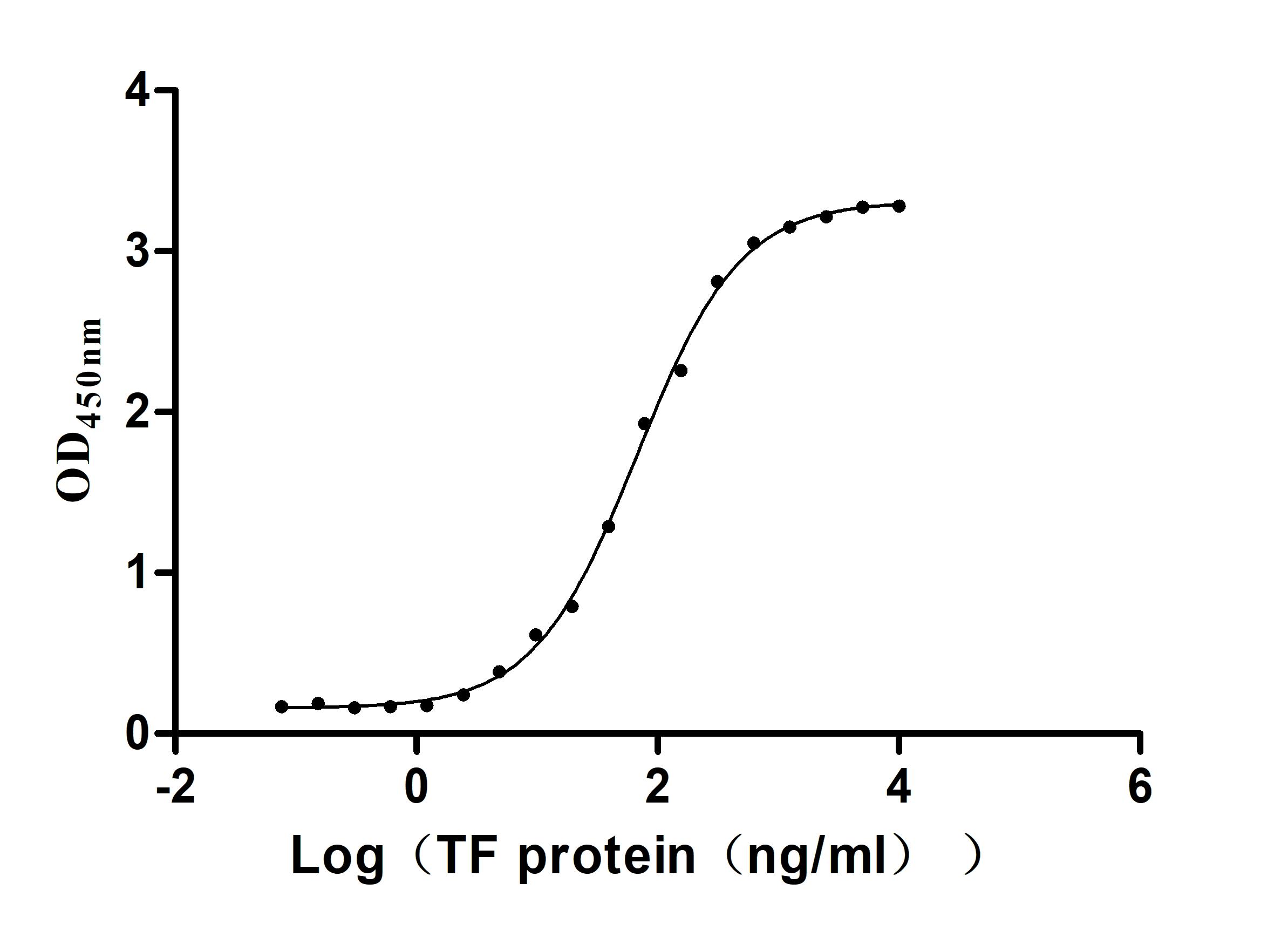
Recombinant Human Serotransferrin(TF) (Active)
Express system: Mammalian cell
Species: Homo sapiens (Human)