Recombinant Human Ubiquitin thioesterase OTU1 (YOD1)
-
中文名稱:人YOD1重組蛋白
-
貨號:CSB-YP713352HU
-
規格:
-
來源:Yeast
-
其他:
-
中文名稱:人YOD1重組蛋白
-
貨號:CSB-EP713352HU
-
規格:
-
來源:E.coli
-
其他:
-
中文名稱:人YOD1重組蛋白
-
貨號:CSB-EP713352HU-B
-
規格:
-
來源:E.coli
-
共軛:Avi-tag Biotinylated
E. coli biotin ligase (BirA) is highly specific in covalently attaching biotin to the 15 amino acid AviTag peptide. This recombinant protein was biotinylated in vivo by AviTag-BirA technology, which method is BriA catalyzes amide linkage between the biotin and the specific lysine of the AviTag.
-
其他:
-
中文名稱:人YOD1重組蛋白
-
貨號:CSB-BP713352HU
-
規格:
-
來源:Baculovirus
-
其他:
-
中文名稱:人YOD1重組蛋白
-
貨號:CSB-MP713352HU
-
規格:
-
來源:Mammalian cell
-
其他:
產品詳情
-
純度:>85% (SDS-PAGE)
-
基因名:
-
Uniprot No.:
-
別名:DUBA-8; DUBA8; HIN-7; HIV-1-induced protease 7; HsHIN7; OTU domain containing 2; OTU domain-containing protein 2; OTU1_HUMAN; OTUD2; PRO0907; RP11-164O23.1; Ubiquitin thioesterase OTU1; yod1; YOD1 OTU deubiquinating enzyme 1 homolog (S. cerevisiae); YOD1 OTU deubiquinating enzyme 1 homolog (yeast); YOD1 OTU deubiquinating enzyme 1; S. cerevisiae; homolog of
-
種屬:Homo sapiens (Human)
-
蛋白長度:full length protein
-
表達區域:1-348
-
氨基酸序列MFGPAKGRHF GVHPAPGFPG GVSQQAAGTK AGPAGAWPVG SRTDTMWRLR CKAKDGTHVL QGLSSRTRVR ELQGQIAAIT GIAPGGQRIL VGYPPECLDL SNGDTILEDL PIQSGDMLII EEDQTRPRSS PAFTKRGASS YVRETLPVLT RTVVPADNSC LFTSVYYVVE GGVLNPACAP EMRRLIAQIV ASDPDFYSEA ILGKTNQEYC DWIKRDDTWG GAIEISILSK FYQCEICVVD TQTVRIDRFG EDAGYTKRVL LIYDGIHYDP LQRNFPDPDT PPLTIFSSND DIVLVQALEL ADEARRRRQF TDVNRFTLRC MVCQKGLTGQ AEAREHAKET GHTNFGEV
-
蛋白標簽:Tag?type?will?be?determined?during?the?manufacturing?process.
The tag type will be determined during production process. If you have specified tag type, please tell us and we will develop the specified tag preferentially. -
產品提供形式:Lyophilized powder
Note: We will preferentially ship the format that we have in stock, however, if you have any special requirement for the format, please remark your requirement when placing the order, we will prepare according to your demand. -
復溶:We recommend that this vial be briefly centrifuged prior to opening to bring the contents to the bottom. Please reconstitute protein in deionized sterile water to a concentration of 0.1-1.0 mg/mL.We recommend to add 5-50% of glycerol (final concentration) and aliquot for long-term storage at -20℃/-80℃. Our default final concentration of glycerol is 50%. Customers could use it as reference.
-
儲存條件:Store at -20°C/-80°C upon receipt, aliquoting is necessary for mutiple use. Avoid repeated freeze-thaw cycles.
-
保質期:The shelf life is related to many factors, storage state, buffer ingredients, storage temperature and the stability of the protein itself.
Generally, the shelf life of liquid form is 6 months at -20°C/-80°C. The shelf life of lyophilized form is 12 months at -20°C/-80°C. -
貨期:Delivery time may differ from different purchasing way or location, please kindly consult your local distributors for specific delivery time.Note: All of our proteins are default shipped with normal blue ice packs, if you request to ship with dry ice, please communicate with us in advance and extra fees will be charged.
-
注意事項:Repeated freezing and thawing is not recommended. Store working aliquots at 4°C for up to one week.
-
Datasheet :Please contact us to get it.
產品評價

相關產品
靶點詳情
-
功能:Hydrolase that can remove conjugated ubiquitin from proteins and participates in endoplasmic reticulum-associated degradation (ERAD) for misfolded lumenal proteins. May act by triming the ubiquitin chain on the associated substrate to facilitate their threading through the VCP/p97 pore. Ubiquitin moieties on substrates may present a steric impediment to the threading process when the substrate is transferred to the VCP pore and threaded through VCP's axial channel. Mediates deubiquitination of 'Lys-27'-, 'Lys-29'- and 'Lys-33'-linked polyubiquitin chains. Also able to hydrolyze 'Lys-11'-linked ubiquitin chains. Cleaves both polyubiquitin and di-ubiquitin. May play a role in macroautophagy, regulating for instance the clearance of damaged lysosomes. May recruit PLAA, UBXN6 and VCP to damaged lysosome membranes decorated with K48-linked ubiquitin chains and remove these chains allowing autophagosome formation.
-
基因功能參考文獻:
- This study showed that YOD1 overexpression enhances cell migration by promoting TGF-beta3 signaling which may play an important role in lip and palate formation. PMID: 30145984
- Mechanistically, YOD1 deubiquitinates ITCH, an E3 ligase of LATS, and enhances the stability of ITCH, which leads to reduced levels of LATS and a subsequent increase in the YAP/TAZ level. PMID: 28416659
- Data suggest that YOD1 is a novel regulator of the Hippo pathway, and thereby a potential therapeutic target for liver cancer. PMID: 28502290
- These data define that YOD1 antagonizes TRAF6/p62-dependent IL-1 signaling to NF-kappaB. PMID: 28244869
- Upon damage, p97 translocates to lysosomes and there cooperates with a distinct set of cofactors including UBXD1, PLAA, and the deubiquitinating enzyme YOD1, which we term ELDR components for Endo-Lysosomal Damage Response. PMID: 27753622
- activity of the p97-associated deubiquitinylase YOD1 is also required for substrate disposal PMID: 26463207
- miR-373 increases proliferation by directly targeting YOD1 in cervical cancer. PMID: 25747718
- The assignment of a p97-associated ubiquitin processing function to YOD1 adds to our understanding of p97's role in the dislocation of misfolded proteins from the endoplasmic reticulum. PMID: 19818707
顯示更多
收起更多
-
亞細胞定位:Cytoplasm.
-
數據庫鏈接:
Most popular with customers
-
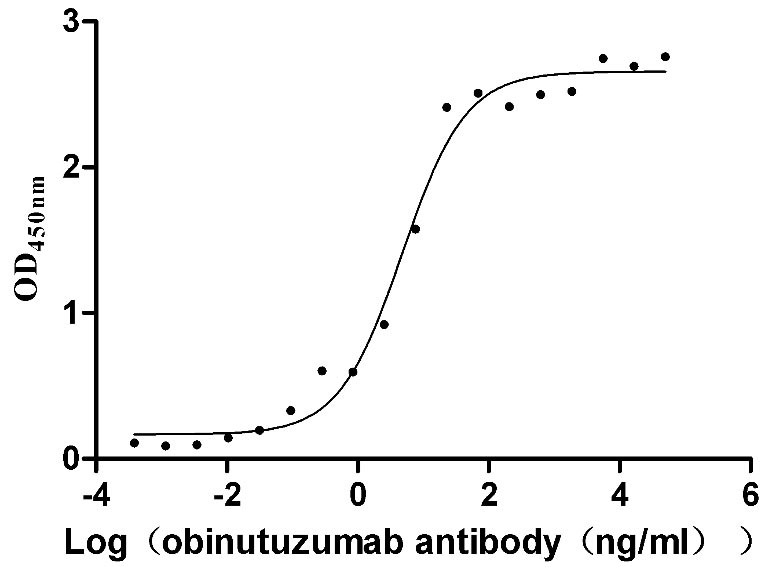
Recombinant Human B-lymphocyte antigen CD20 (MS4A1)-VLPs (Active)
Express system: Mammalian cell
Species: Homo sapiens (Human)
-
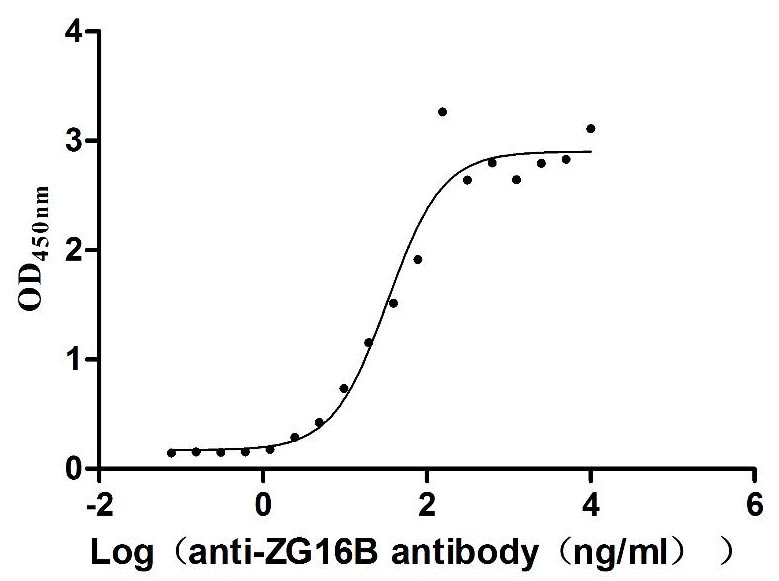
Recombinant Human Pancreatic adenocarcinoma up-regulated factor (ZG16B) (Active)
Express system: Mammalian cell
Species: Homo sapiens (Human)
-
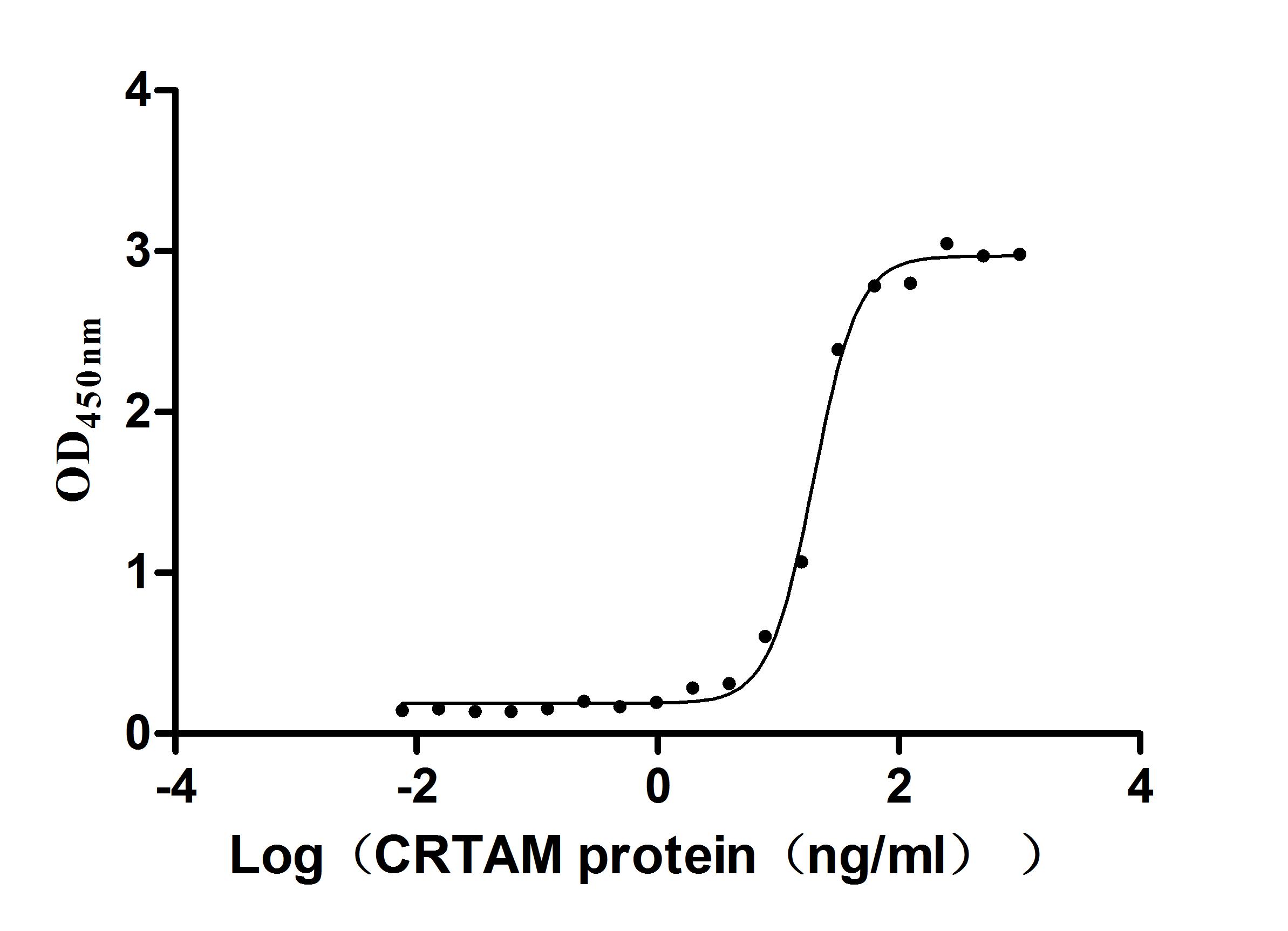
Recombinant Human Cell adhesion molecule 1 (CADM1), partial (Active)
Express system: Mammalian cell
Species: Homo sapiens (Human)
-
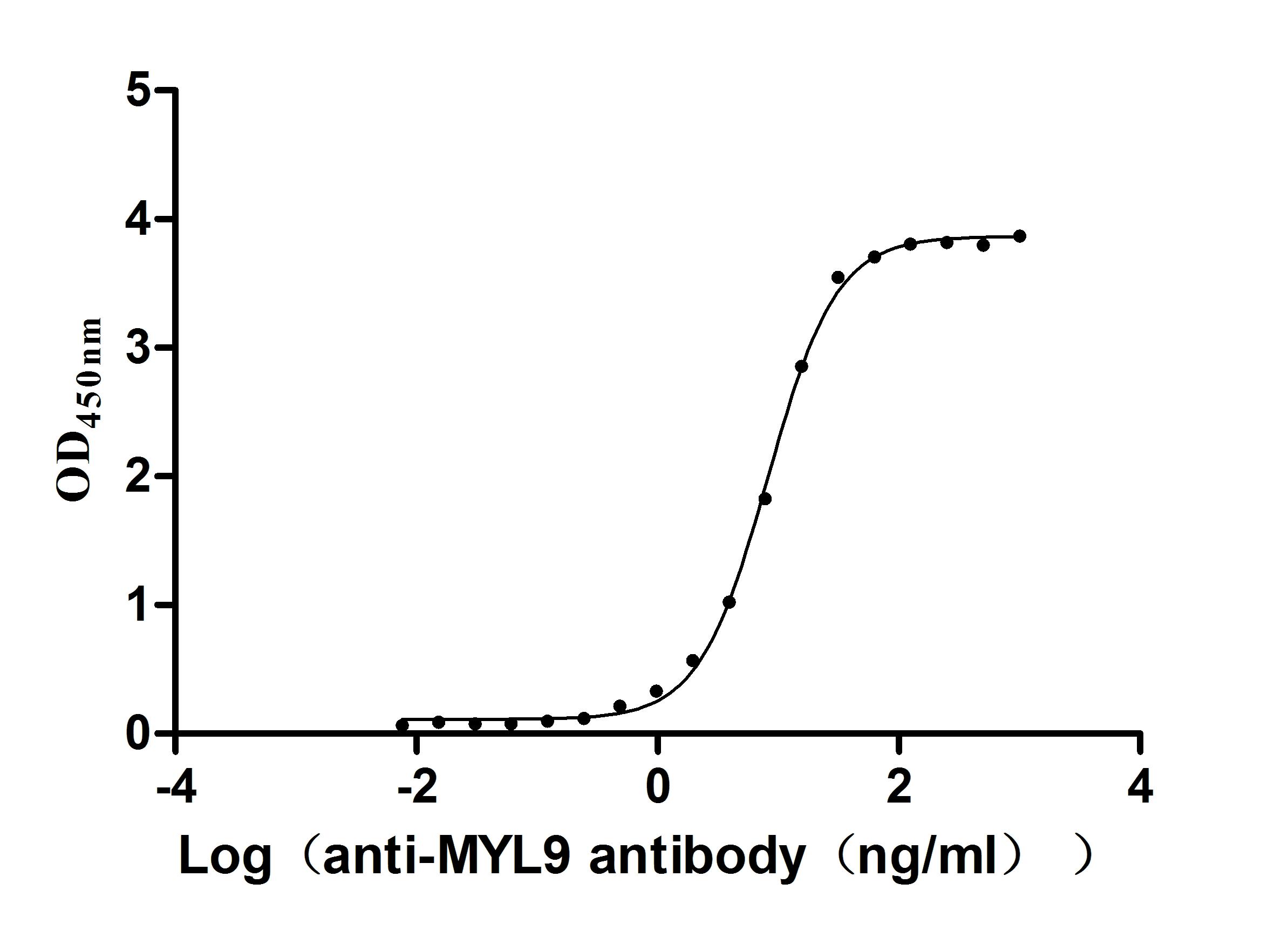
Recombinant Human Myosin regulatory light chain 12B (MYL12B) (Active)
Express system: E.coli
Species: Homo sapiens (Human)
-
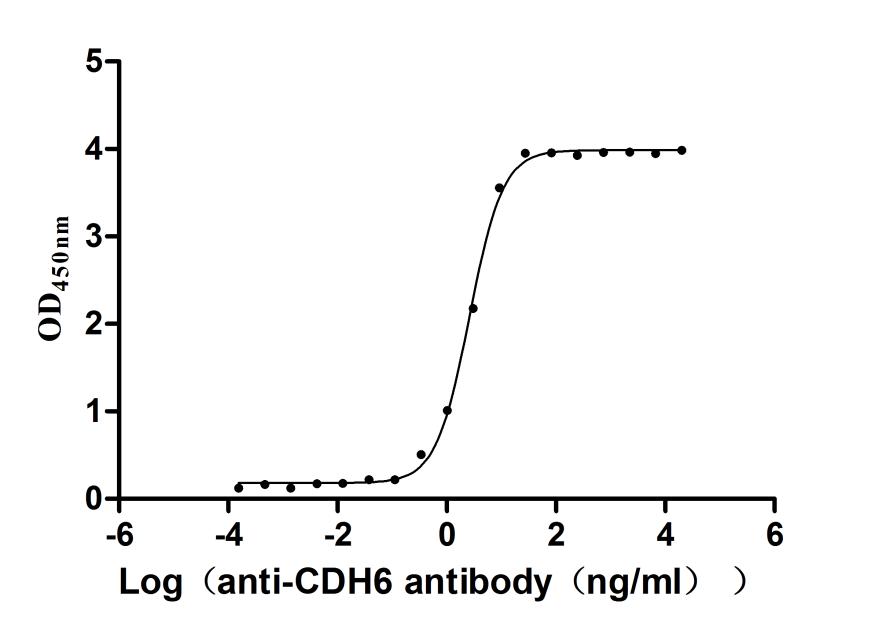
Recombinant Human Cadherin-6 (CDH6), partial (Active)
Express system: Mammalian cell
Species: Homo sapiens (Human)
-
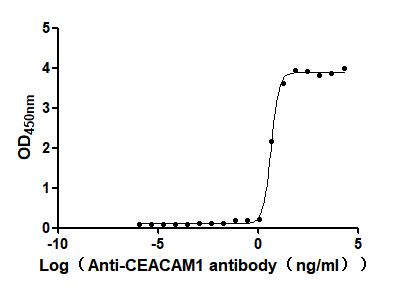
Express system: Mammalian cell
Species: Homo sapiens (Human)