Recombinant Human Twisted gastrulation protein homolog 1 (TWSG1)
-
中文名稱:人TWSG1重組蛋白
-
貨號(hào):CSB-YP863935HU
-
規(guī)格:
-
來(lái)源:Yeast
-
其他:
-
中文名稱:人TWSG1重組蛋白
-
貨號(hào):CSB-EP863935HU
-
規(guī)格:
-
來(lái)源:E.coli
-
其他:
-
中文名稱:人TWSG1重組蛋白
-
貨號(hào):CSB-EP863935HU-B
-
規(guī)格:
-
來(lái)源:E.coli
-
共軛:Avi-tag Biotinylated
E. coli biotin ligase (BirA) is highly specific in covalently attaching biotin to the 15 amino acid AviTag peptide. This recombinant protein was biotinylated in vivo by AviTag-BirA technology, which method is BriA catalyzes amide linkage between the biotin and the specific lysine of the AviTag.
-
其他:
-
中文名稱:人TWSG1重組蛋白
-
貨號(hào):CSB-BP863935HU
-
規(guī)格:
-
來(lái)源:Baculovirus
-
其他:
-
中文名稱:人TWSG1重組蛋白
-
貨號(hào):CSB-MP863935HU
-
規(guī)格:
-
來(lái)源:Mammalian cell
-
其他:
產(chǎn)品詳情
-
純度:>85% (SDS-PAGE)
-
基因名:TWSG1
-
Uniprot No.:
-
別名:PSEC0250; twisted gastrulation homolog 1 (Drosophila); TSG; TSG1; Twisted gastrulation BMP signaling modulator 1; Twisted gastrulation homolog 1; Twisted gastrulation protein; Twisted gastrulation protein homolog 1; TWSG1; TWSG1_HUMAN
-
種屬:Homo sapiens (Human)
-
蛋白長(zhǎng)度:Full Length of Mature Protein
-
表達(dá)區(qū)域:26-223
-
氨基酸序列CNKAL CASDVSKCLI QELCQCRPGE GNCSCCKECM LCLGALWDEC CDCVGMCNPR NYSDTPPTSK STVEELHEPI PSLFRALTEG DTQLNWNIVS FPVAEELSHH ENLVSFLETV NQPHHQNVSV PSNNVHAPYS SDKEHMCTVV YFDDCMSIHQ CKISCESMGA SKYRWFHNAC CECIGPECID YGSKTVKCMN CMF
-
蛋白標(biāo)簽:Tag?type?will?be?determined?during?the?manufacturing?process.
The tag type will be determined during production process. If you have specified tag type, please tell us and we will develop the specified tag preferentially. -
產(chǎn)品提供形式:Lyophilized powder
Note: We will preferentially ship the format that we have in stock, however, if you have any special requirement for the format, please remark your requirement when placing the order, we will prepare according to your demand. -
復(fù)溶:We recommend that this vial be briefly centrifuged prior to opening to bring the contents to the bottom. Please reconstitute protein in deionized sterile water to a concentration of 0.1-1.0 mg/mL.We recommend to add 5-50% of glycerol (final concentration) and aliquot for long-term storage at -20℃/-80℃. Our default final concentration of glycerol is 50%. Customers could use it as reference.
-
儲(chǔ)存條件:Store at -20°C/-80°C upon receipt, aliquoting is necessary for mutiple use. Avoid repeated freeze-thaw cycles.
-
保質(zhì)期:The shelf life is related to many factors, storage state, buffer ingredients, storage temperature and the stability of the protein itself.
Generally, the shelf life of liquid form is 6 months at -20°C/-80°C. The shelf life of lyophilized form is 12 months at -20°C/-80°C. -
貨期:Delivery time may differ from different purchasing way or location, please kindly consult your local distributors for specific delivery time.Note: All of our proteins are default shipped with normal blue ice packs, if you request to ship with dry ice, please communicate with us in advance and extra fees will be charged.
-
注意事項(xiàng):Repeated freezing and thawing is not recommended. Store working aliquots at 4°C for up to one week.
-
Datasheet :Please contact us to get it.
產(chǎn)品評(píng)價(jià)

相關(guān)產(chǎn)品
靶點(diǎn)詳情
-
功能:May be involved in dorsoventral axis formation. Seems to antagonize BMP signaling by forming ternary complexes with CHRD and BMPs, thereby preventing BMPs from binding to their receptors. In addition to the anti-BMP function, also has pro-BMP activity, partly mediated by cleavage and degradation of CHRD, which releases BMPs from ternary complexes. May be an important modulator of BMP-regulated cartilage development and chondrocyte differentiation. May play a role in thymocyte development.
-
基因功能參考文獻(xiàn):
- Findings indicate that twisted gastrulation homolog 1 (TWSG1) maybe serves as a tumor suppressor gene in gastric cancer and potential biomarker or therapeutic target for the diagnosis and treatment of gastric cancer. PMID: 29756996
- Tsg functions as a BMP-agonist by inducing conformational change in chordin making it more susceptible to tolloid cleavage and as a BMP-antagonist either independently or via a chordin-mediated mechanism. PMID: 26829466
- Data suggest CHRD (chordin) cleavage by tolloid-like metalloproteinases is insufficient to regulate BMP(bone morphogenetic protein)/BMPR signaling; CHRD fragments and TSG (twisted gastrulation protein) contribute to inhibition of BMP/BMPR signaling. PMID: 26517884
- these results suggest that BMPER and Tsg maintain a fine-tuned equilibrium that controls BMP pathway activity and is necessary for vascular cell homeostasis. PMID: 23641068
- mutations in the twisted gastrulation homolog 1 gene are neither a common direct cause nor a frequent modifying factor for human holoprosencephaly pathologies PMID: 21227728
- Tsg functions as an agonist synergizing with TGF-beta to inhibit T-cell activation. PMID: 17164348
- interferes with BMP-mediated hepcidin expression and may act with GDF15 to dysregulate iron homeostasis in thalassemia syndromes. PMID: 19414861
顯示更多
收起更多
-
亞細(xì)胞定位:Secreted.
-
蛋白家族:Twisted gastrulation protein family
-
數(shù)據(jù)庫(kù)鏈接:
Most popular with customers
-
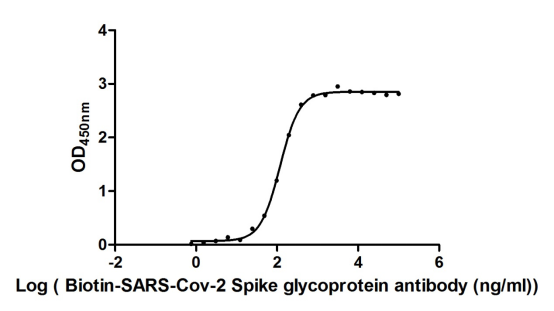
Recombinant Severe acute respiratory syndrome coronavirus 2 Spike glycoprotein (S), partial (Active)
Express system: Mammalian cell
Species: Severe acute respiratory syndrome coronavirus 2 (2019-nCoV) (SARS-CoV-2)
-
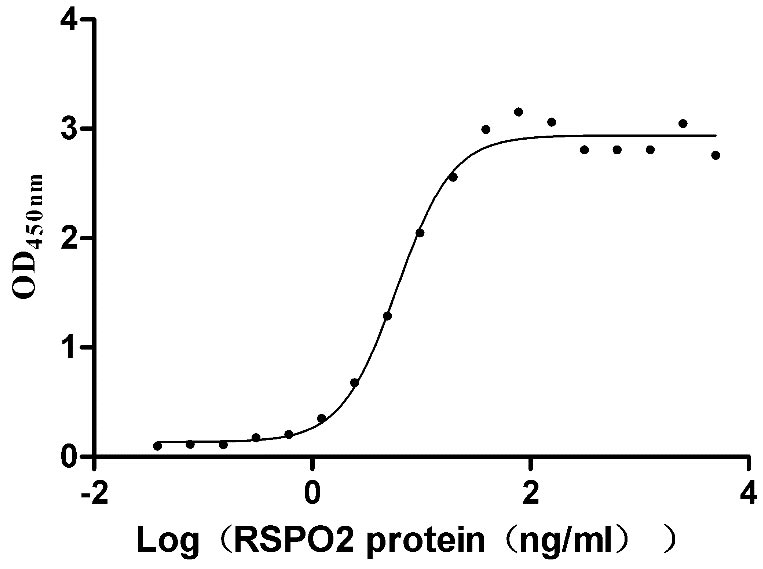
Recombinant Human E3 ubiquitin-protein ligase ZNRF3 (ZNRF3), partial (Active)
Express system: Mammalian cell
Species: Homo sapiens (Human)
-
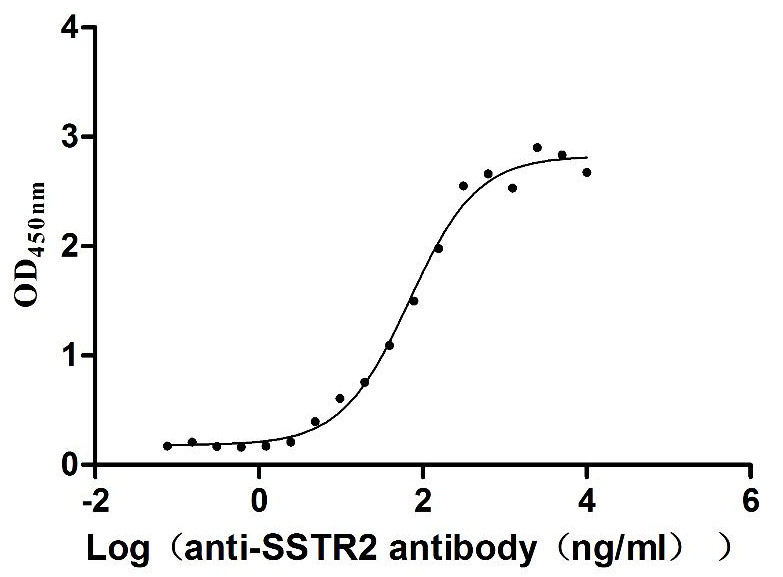
Recombinant Human Somatostatin receptor type 2 (SSTR2)-VLPs (Active)
Express system: Mammalian cell
Species: Homo sapiens (Human)
-
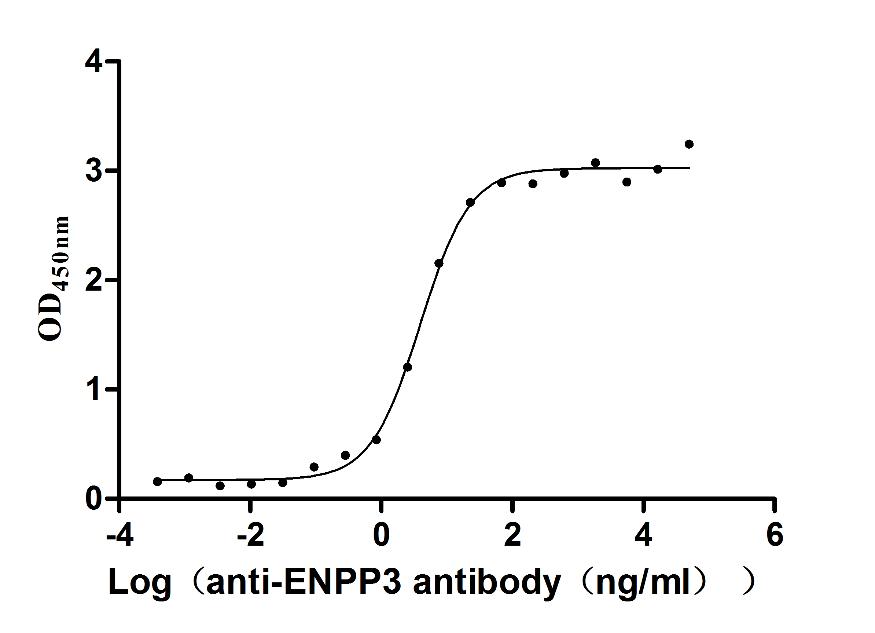
Express system: Mammalian cell
Species: Macaca fascicularis (Crab-eating macaque) (Cynomolgus monkey)
-
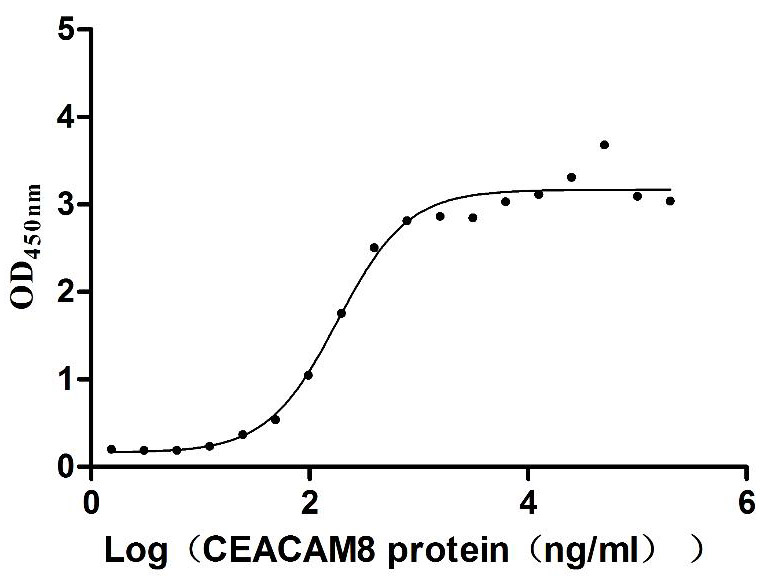
Recombinant Human Carcinoembryonic antigen-related cell adhesion molecule 6 (CEACAM6) (Active)
Express system: Mammalian cell
Species: Homo sapiens (Human)
-
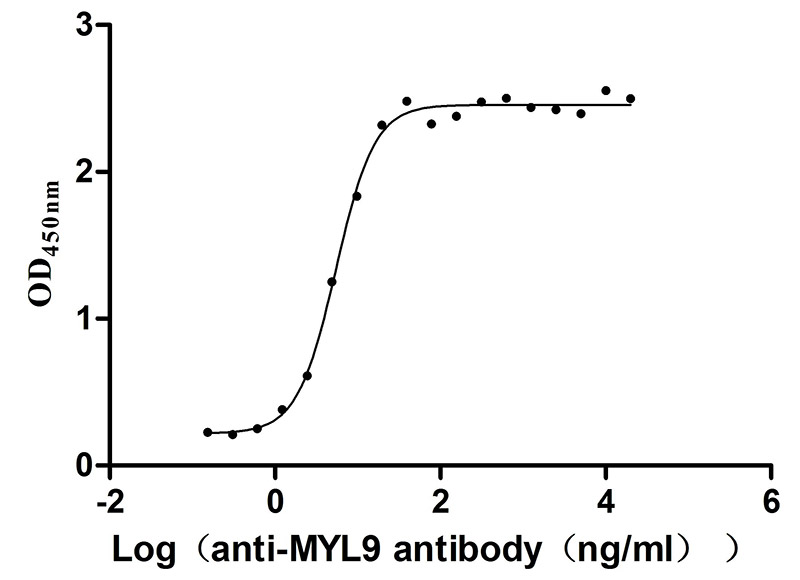
Recombinant Human Myosin regulatory light polypeptide 9 (MYL9) (Active)
Express system: Yeast
Species: Homo sapiens (Human)
-
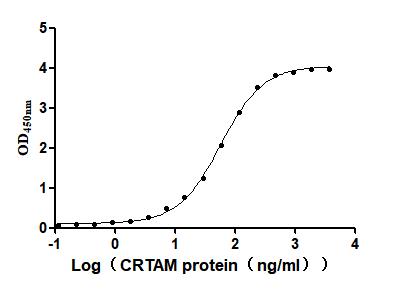
Recombinant Mouse Cytotoxic and regulatory T-cell molecule (Crtam), partial (Active)
Express system: Mammalian cell
Species: Mus musculus (Mouse)
-
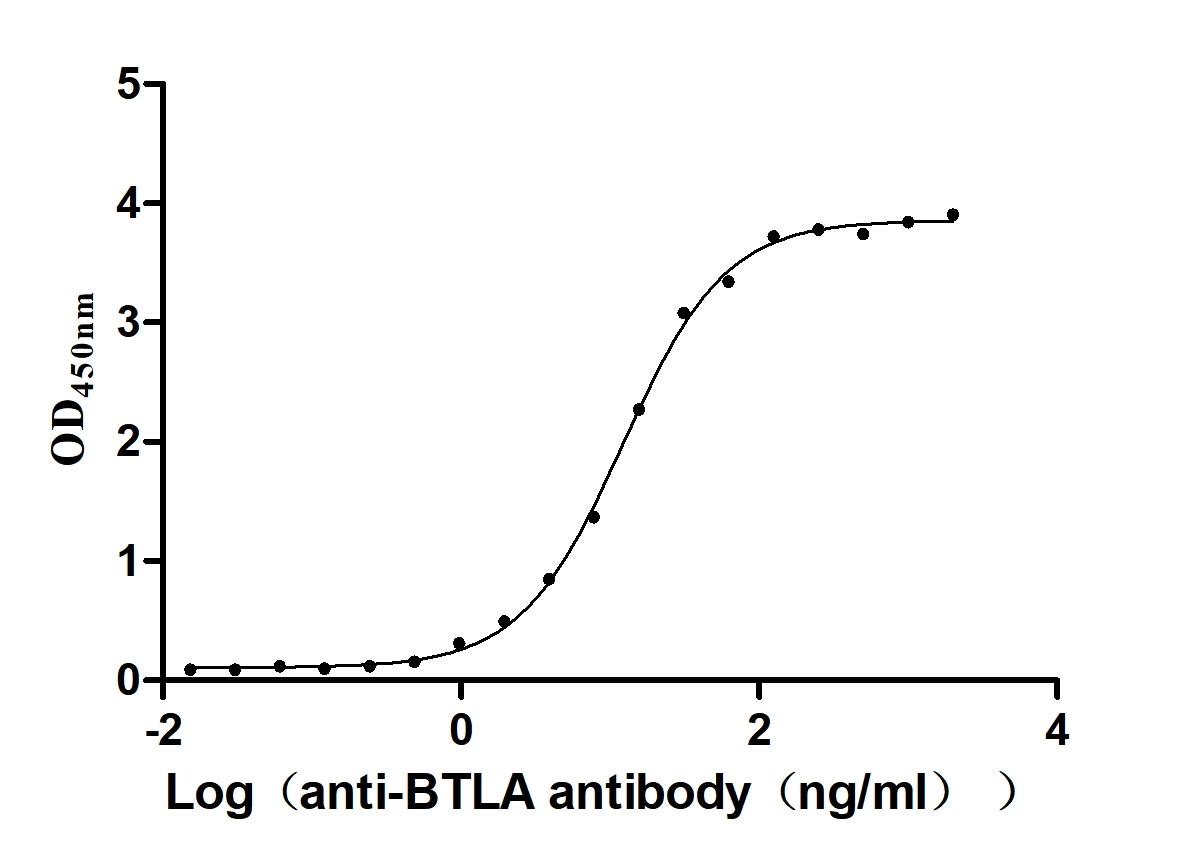
Recombinant Human B- and T-lymphocyte attenuator(BTLA), partial (Active)
Express system: Mammalian cell
Species: Homo sapiens (Human)