Recombinant Human Sodium/glucose cotransporter 2 (SLC5A2), partial
In Stock-
中文名稱:人SLC5A2重組蛋白
-
品名簡稱:Recombinant Human SLC5A2 protein, partial
-
貨號:CSB-EP021679HU1
-
說明書:
-
規(guī)格:¥1536
-
圖片:
-
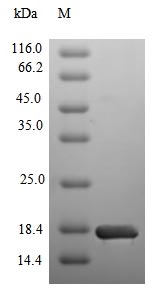 (Tris-Glycine gel) Discontinuous SDS-PAGE (reduced) with 5% enrichment gel and 15% separation gel.
-
-
其他:
產品詳情
-
純度:Greater than 90% as determined by SDS-PAGE.
-
基因名:
-
Uniprot No.:
-
別名:SLC5A2; SGLT2; Sodium/glucose cotransporter 2; Na(+/glucose cotransporter 2; Low affinity sodium-glucose cotransporter; Solute carrier family 5 member 2
-
種屬:Homo sapiens (Human)
-
蛋白長度:Partial
-
來源:E.coli
-
分子量:15.5kDa
-
表達區(qū)域:1-102aa
-
氨基酸序列MEEHTEAGSAPEMGAQKALIDNPADILVIAAYFLLVIGVGLWSMCRTNRGTVGGYFLAGRSMVWWPVGASLFASNIGSGHFVGLAGTGAASGLAVAGFEWNA
Note: The complete sequence may include tag sequence, target protein sequence, linker sequence and extra sequence that is translated with the protein sequence for the purpose(s) of secretion, stability, solubility, etc.
If the exact amino acid sequence of this recombinant protein is critical to your application, please explicitly request the full and complete sequence of this protein before ordering. -
蛋白標簽:N-terminal 10xHis-tagged and C-terminal Myc-tagged
-
產品提供形式:Liquid or Lyophilized powder
Note: We will preferentially ship the format that we have in stock, however, if you have any special requirement for the format, please remark your requirement when placing the order, we will prepare according to your demand. -
緩沖液:If the delivery form is liquid, the default storage buffer is Tris/PBS-based buffer, 5%-50% glycerol.
Note: If you have any special requirement for the glycerol content, please remark when you place the order.
If the delivery form is lyophilized powder, the buffer before lyophilization is Tris/PBS-based buffer, 6% Trehalose. -
儲存條件:Store at -20°C/-80°C upon receipt, aliquoting is necessary for mutiple use. Avoid repeated freeze-thaw cycles.
-
保質期:The shelf life is related to many factors, storage state, buffer ingredients, storage temperature and the stability of the protein itself.
Generally, the shelf life of liquid form is 6 months at -20°C/-80°C. The shelf life of lyophilized form is 12 months at -20°C/-80°C. -
貨期:3-7 business days
-
注意事項:Repeated freezing and thawing is not recommended. Store working aliquots at 4°C for up to one week.
-
Datasheet & COA:Please contact us to get it.
產品評價

相關產品
靶點詳情
-
功能:Sodium-dependent glucose transporter. Has a Na(+) to glucose coupling ratio of 1:1.; Efficient substrate transport in mammalian kidney is provided by the concerted action of a low affinity high capacity and a high affinity low capacity Na(+)/glucose cotransporter arranged in series along kidney proximal tubules.
-
基因功能參考文獻:
- SGLT2-I therapy is a potential new strategy for the treatment of HCC. PMID: 29205334
- Sodium-glucose cotransporter-2 (SGLT2) is selectively expressed in the human kidney, where it executes reabsorption of filtered glucose with a high capacity; it may be overactive in patients with diabetes, especially in the early, hyperfiltering stage of the disease. As a therapeutic target, SGLT2 has been successfully engaged by orally active, selective agents. [review] PMID: 28506519
- In this study, more than 90% of patients were on Forxiga or Invokana. Merck and Pfizer are also collaborating to bring an SGLT2 rival drug, ertugliflozin, to market as well as on two combinations containing the drug to treat type 2 diabetes. PMID: 28398306
- Canagliflozin, an orally active inhibitor of sodium glucose co-transporter 2, is approved for the treatment of type-2 diabetes mellitus. Food did not affect canagliflozin pharmacokinetics. PMID: 27136908
- C-peptide-based measurements of insulin secretion are appropriate for assessing beta-cell function in SGLT2 inhibitor canagliflozin-treated participants. PMID: 27127999
- The novel pathogenic SLC5A2 mutation p.S293C was responsible for the onset of FRG PMID: 28365451
- Molecular Interaction of Anti-Diabetic Drugs With Acetylcholinesterase and Sodium Glucose Co-Transporter 2. PMID: 28387957
- the key pharmacodynamic effects of SGLT2 inhibitors and the clinical evidence that support the rationale for the use of SGLT2 inhibitors in patients with HF who have T2D. Because these favorable effects presumably occur independent of blood glucose lowering, we also explore the potential use of SGLT2 inhibition in patients without T2D with HF or at risk of HF, such as in patients with coronary artery disease PMID: 29061576
- Results provide evidence that common genetic variants in the SLC5A2 gene do not affect diabetes-related metabolic traits in subjects at increased risk of type 2 diabetes. PMID: 28134748
- SGLT2/MAP17 functions as a low-affinity Na(+)-glucose cotransporter in the kidney. PMID: 28592437
- reported nominal effects of individual SLC5A2 variants on fasting and post-challenge glucose levels may probably not be mediated by altered glucagon release PMID: 28472182
- Findings suggest that there are subtypes of T2DM characterized by different urinary glucose excretion and cardiovascular risk factors. SLC5A2 and HNF1A mutations partially explain renal glycosuria in patients with T2DM. PMID: 28324025
- SGLT2 inhibitors combined with insulin might be an efficient and safe treatment modality for T1DM patients. PMID: 28399981
- Data suggest that, by shunting substantial amounts of carbohydrate into urine, SGLT2-mediated glycosuria results in a progressive shift in energy metabolism toward fatty substrates; studies were conducted in subjects with/without diabetes type 2 treated with SGLT2 antagonist and hypoglycemic agent empagliflozin. PMID: 26861783
- Studies indicate that Sodium-glucose cotransporter 2 (SGLT2)T2 inhibitors are promising antidiabetic agents that are gaining attention in both clinical medicine and basic research. PMID: 27754601
- Data suggest that ketoacidosis (ketonuria/ketonemia) associated with the use of sodium-glucose cotransporter 2 protein (SGLT-2) inhibitors needs further research. PMID: 27085074
- In both men and women, grip strength increased in both hands after sodium-glucose cotransporter 2 protein (SGLT2) inhibitor treatment . PMID: 27038414
- Data suggest that SGLT2 plays central role in energy metabolism and renal elimination of circulating glucose; targeted inhibition of SGLT2 alters energy metabolism in diabetes and obesity. PMID: 26403227
- Mutations in the SLC5A2 gene did not find any evidence that chronic loss of glucose in the urine would protect from deterioration of the glucose tolerance over time. PMID: 26735923
- Data suggest that SGLT2 is transporter found in proximal renal tubules, responsible for reabsorption of most of glucose filtered by kidney; inhibition of SGLT2 lowers blood glucose level by promoting urinary excretion of excess glucose. [REVIEW] PMID: 26362302
- Data show that thiosugars bind to sodium-glucose co-transporters vSGLT and hSGLT2 stronger and dissociate more slowly than sugars. PMID: 26260238
- SGLT2 is functionally expressed in pancreatic and prostate adenocarcinomas PMID: 26170283
- Results identified six SLC5A2 variants including four novel variants in Chinese familial renal glucosuria. Variant SLC5A2 proteins had altered expression levels and patterns in addition to significantly lower glucose transport in cultured cells. PMID: 25339128
- SGLT2 inhibitor canagliflozin can be coadministered with oral contraceptives, warfarin, or digoxin without dose adjustments. PMID: 25345427
- SGLT2 is inhibited with dapagliflozin in pancreatic alpha cells, which triggers glucagon secretion PMID: 25894829
- Sodium glucose cotransporter 2 inhibitor empagliflozin is not associated with prolonged QT interval. PMID: 23617452
- A single dose of canagliflozin, a sodium glucose co-transporter 2 inhibitor, 300 mg reduced both fasting and postprandial PG. PMID: 25110280
- A possible role of common genetic variation in SLC5A2 in the control of glucose homeostasis. PMID: 23651029
- Studies indcate that glucose is present in the glomerular filtrate and is reabsorbed by a group of transport proteins in the renal tubular epithelium, with sodium glucose transporter (SGLT)-2 quantitatively the most important. PMID: 23714218
- Data suggest that SGLT2 plays role in tubular apoptosis in diabetic nephropathy; SGLT2-mediated, high glucose-induced generation of reactive oxygen species appears to augment apoptosis of renal tubular cells. PMID: 23508966
- It was concluded that human SGLT1 and SGLT2 are regulated by different mechanisms and suggest that insulin is an SGLT2 agonist in vivo. PMID: 22673616
- A total of 21 different SLC5A2 mutations were detected in a cohort of 23 unrelated Korean children with Familial renal glucosuria PMID: 22314875
- In this review, we summarize the available data concerning the mechanism of action, efficacy, and safety of this novel antidiabetic class of therapeutic agents. PMID: 22528597
- analysis of SGLT2 inhibitors containing the 1,2,3-triazole motif and evaluation of their urinary glucose excretion PMID: 22079028
- TS-071 inhibited SGLT2 activity in a concentration-dependent manner. PMID: 21410690
- Our data suggest a role of SGLT2 genetic variation in the regulation of glucose homeostasis and promote pharmacogenomic studies to clarify the efficacy of antidiabetic treatment by SGLT2 inhibitors PMID: 21830867
- Five novel SGLT2 mutations were identified in familial renal glucosuria patients. Mutant SGLT2 proteins had significantly lower glucose transport capacity upon reconstruction in cultured cells. PMID: 21165652
- SGLT2 plays an important role in renal tubular glucose reabsorption. PMID: 14569097
- homozygous missense mutation in exon 8 of SLC5A2, resulting in a lysine to arginine substitution at position 321 underlies autosomal-recessive renal glucosuria and aminoaciduria PMID: 15610225
- Thioglycoside I (phenyl-1'-thio-beta-D-glucopyranoside) inhibited hSGLT2. PMID: 17505558
- Within 17 pedigrees, we have identified a total of 20 different SLC5A2 mutations in familial renal glucosuria. PMID: 18622023
顯示更多
收起更多
-
相關疾病:Renal glucosuria (GLYS)
-
亞細胞定位:Membrane; Multi-pass membrane protein.
-
蛋白家族:Sodium:solute symporter (SSF) (TC 2.A.21) family
-
數據庫鏈接:
Most popular with customers
-
-AC1.jpg)
Recombinant Human HLA class II histocompatibility antigen gamma chain (CD74), partial (Active)
Express system: Mammalian cell
Species: Homo sapiens (Human)
-
Recombinant Human IL12B&IL12A Heterodimer Protein (Active)
Express system: Mammalian cell
Species: Homo sapiens (Human)
-
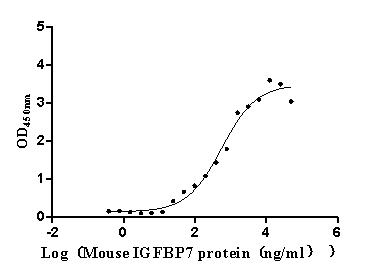
Recombinant Mouse Complement component C1q receptor (Cd93), partial (Active)
Express system: Mammalian cell
Species: Mus musculus (Mouse)
-
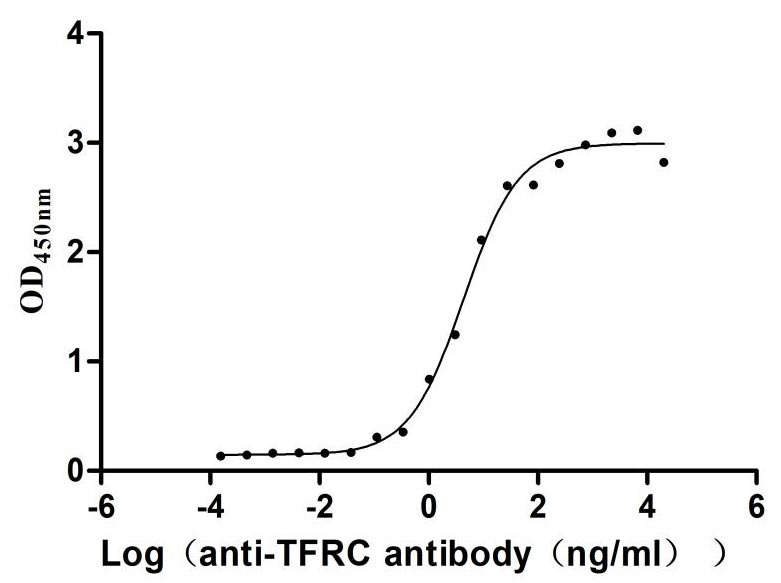
Recombinant Human Transferrin receptor protein 1 (TFRC), partial (Active)
Express system: Mammalian cell
Species: Homo sapiens (Human)
-
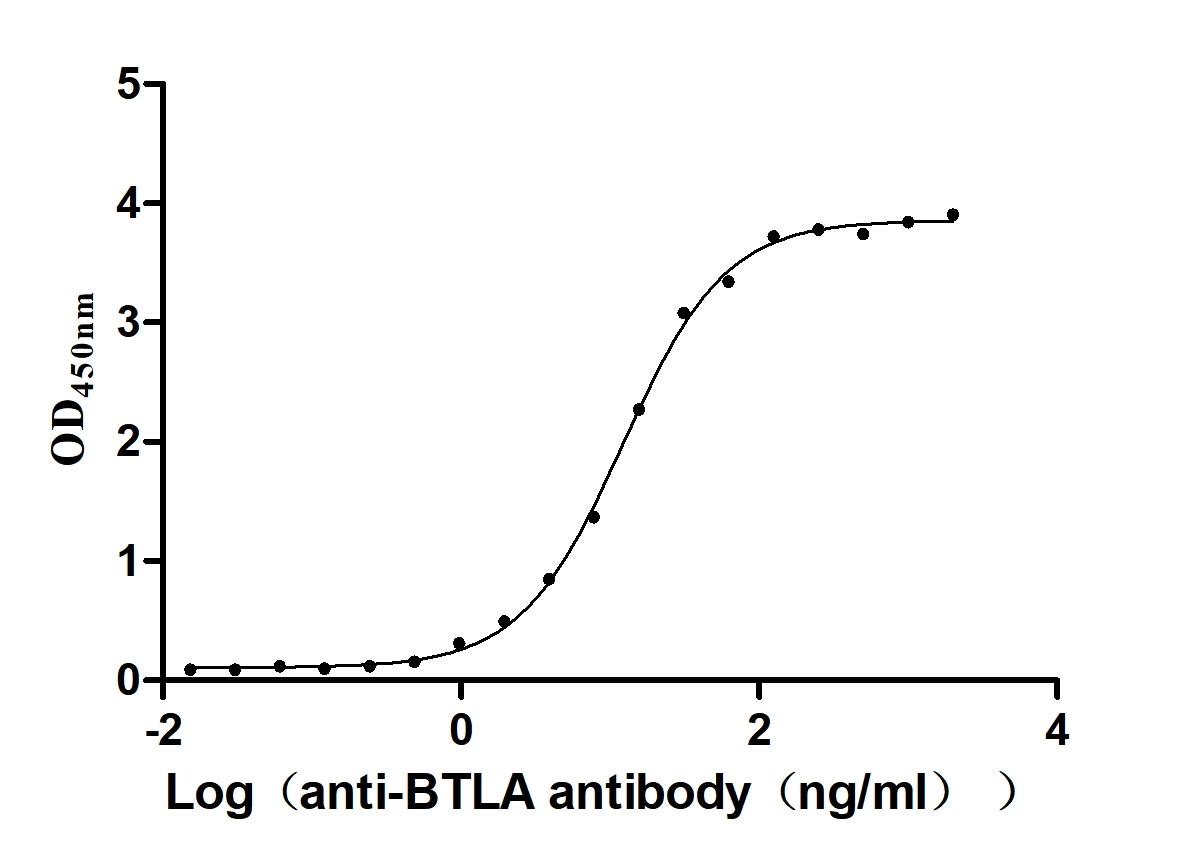
Recombinant Human B- and T-lymphocyte attenuator(BTLA), partial (Active)
Express system: Mammalian cell
Species: Homo sapiens (Human)
-
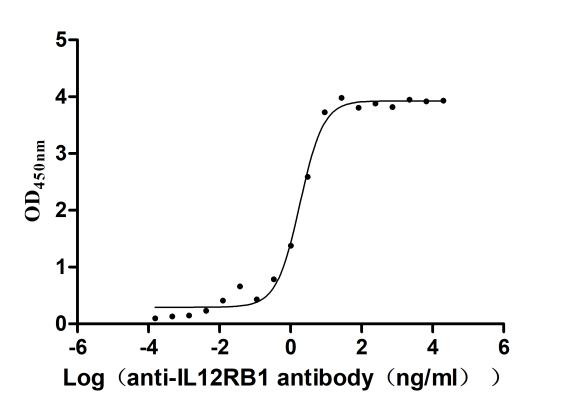
Recombinant Human Interleukin-12 receptor subunit beta-1(IL12RB1),partial (Active)
Express system: Mammalian cell
Species: Homo sapiens (Human)
-
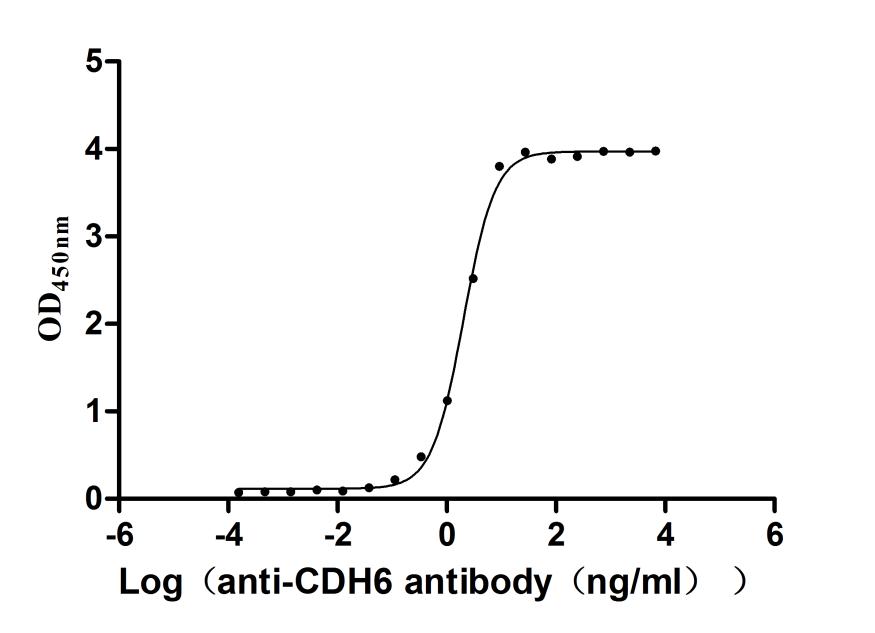
Recombinant Mouse Cadherin-6 (Cdh6), partial (Active)
Express system: Mammalian cell
Species: Mus musculus (Mouse)
-
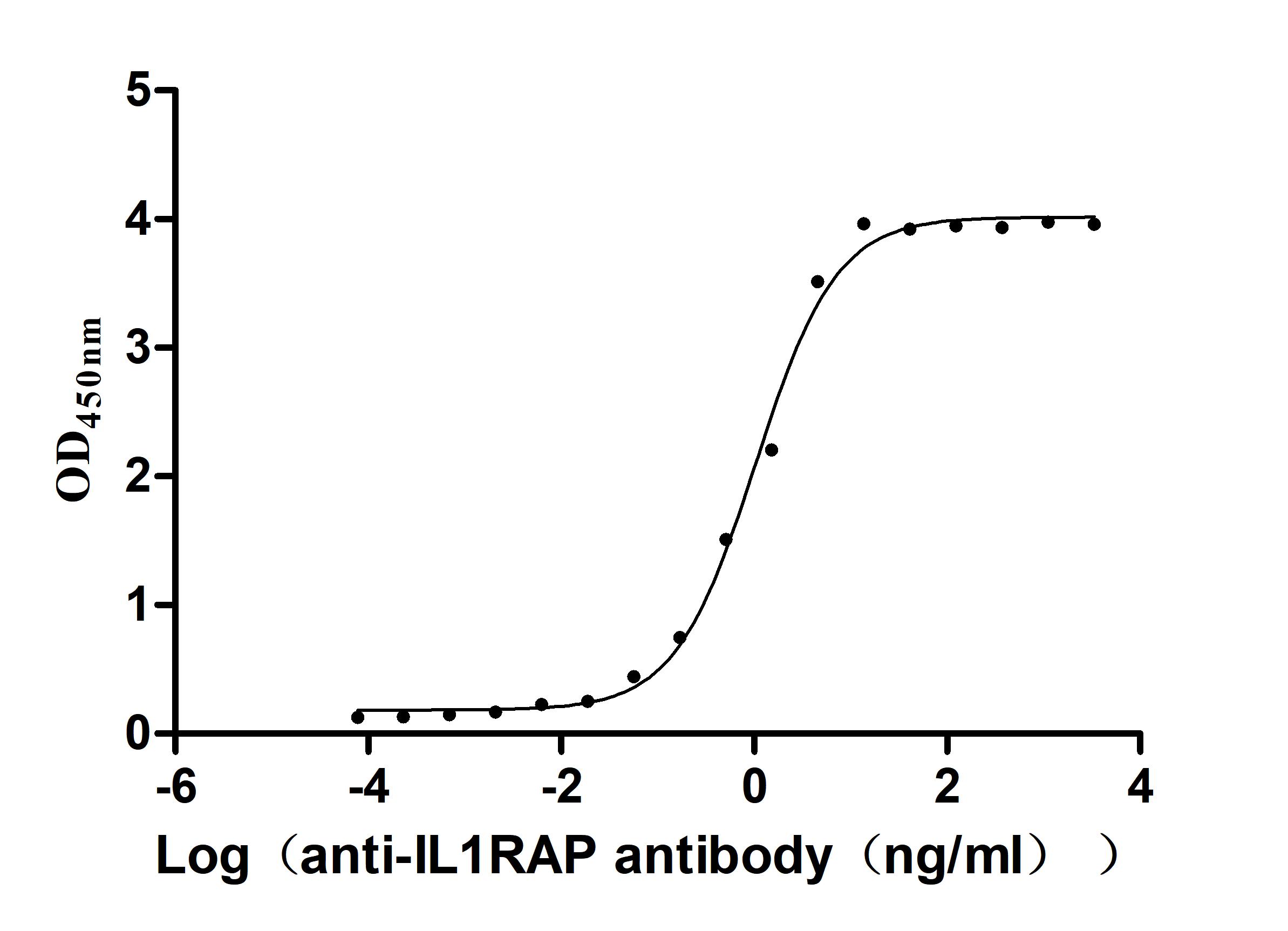
Recombinant Macaca fascicularis Interleukin 1 receptor accessory protein(IL1RAP), partial (Active)
Express system: Mammalian cell
Species: Macaca fascicularis (Crab-eating macaque) (Cynomolgus monkey)