Recombinant Human Sialidase-1 (NEU1)
-
中文名稱:人NEU1重組蛋白
-
貨號(hào):CSB-YP858714HU
-
規(guī)格:
-
來(lái)源:Yeast
-
其他:
-
中文名稱:人NEU1重組蛋白
-
貨號(hào):CSB-EP858714HU
-
規(guī)格:
-
來(lái)源:E.coli
-
其他:
-
中文名稱:人NEU1重組蛋白
-
貨號(hào):CSB-EP858714HU-B
-
規(guī)格:
-
來(lái)源:E.coli
-
共軛:Avi-tag Biotinylated
E. coli biotin ligase (BirA) is highly specific in covalently attaching biotin to the 15 amino acid AviTag peptide. This recombinant protein was biotinylated in vivo by AviTag-BirA technology, which method is BriA catalyzes amide linkage between the biotin and the specific lysine of the AviTag.
-
其他:
-
中文名稱:人NEU1重組蛋白
-
貨號(hào):CSB-BP858714HU
-
規(guī)格:
-
來(lái)源:Baculovirus
-
其他:
-
中文名稱:人NEU1重組蛋白
-
貨號(hào):CSB-MP858714HU
-
規(guī)格:
-
來(lái)源:Mammalian cell
-
其他:
產(chǎn)品詳情
-
純度:>85% (SDS-PAGE)
-
基因名:
-
Uniprot No.:
-
別名:Acetylneuraminyl hydrolase; exo-alpha-sialidase; G9 sialidase; Lysosomal sialidase; N acetyl alpha neuraminidase 1; N-acetyl-alpha-neuraminidase 1; NANH; NEU; NEU1; NEUR1_HUMAN; Neuraminidase 1; Neuraminidase; SIAL1; sialidase 1 (lysosomal sialidase); Sialidase 1; Sialidase; lysosomal; Sialidase-1
-
種屬:Homo sapiens (Human)
-
蛋白長(zhǎng)度:Full Length of Mature Protein
-
表達(dá)區(qū)域:48-415
-
氨基酸序列END FGLVQPLVTM EQLLWVSGRQ IGSVDTFRIP LITATPRGTL LAFAEARKMS SSDEGAKFIA LRRSMDQGST WSPTAFIVND GDVPDGLNLG AVVSDVETGV VFLFYSLCAH KAGCQVASTM LVWSKDDGVS WSTPRNLSLD IGTEVFAPGP GSGIQKQREP RKGRLIVCGH GTLERDGVFC LLSDDHGASW RYGSGVSGIP YGQPKQENDF NPDECQPYEL PDGSVVINAR NQNNYHCHCR IVLRSYDACD TLRPRDVTFD PELVDPVVAA GAVVTSSGIV FFSNPAHPEF RVNLTLRWSF SNGTSWRKET VQLWPGPSGY SSLATLEGSM DGEEQAPQLY VLYEKGRNHY TESISVAKIS VYGTL
-
蛋白標(biāo)簽:Tag?type?will?be?determined?during?the?manufacturing?process.
The tag type will be determined during production process. If you have specified tag type, please tell us and we will develop the specified tag preferentially. -
產(chǎn)品提供形式:Lyophilized powder
Note: We will preferentially ship the format that we have in stock, however, if you have any special requirement for the format, please remark your requirement when placing the order, we will prepare according to your demand. -
復(fù)溶:We recommend that this vial be briefly centrifuged prior to opening to bring the contents to the bottom. Please reconstitute protein in deionized sterile water to a concentration of 0.1-1.0 mg/mL.We recommend to add 5-50% of glycerol (final concentration) and aliquot for long-term storage at -20℃/-80℃. Our default final concentration of glycerol is 50%. Customers could use it as reference.
-
儲(chǔ)存條件:Store at -20°C/-80°C upon receipt, aliquoting is necessary for mutiple use. Avoid repeated freeze-thaw cycles.
-
保質(zhì)期:The shelf life is related to many factors, storage state, buffer ingredients, storage temperature and the stability of the protein itself.
Generally, the shelf life of liquid form is 6 months at -20°C/-80°C. The shelf life of lyophilized form is 12 months at -20°C/-80°C. -
貨期:Delivery time may differ from different purchasing way or location, please kindly consult your local distributors for specific delivery time.Note: All of our proteins are default shipped with normal blue ice packs, if you request to ship with dry ice, please communicate with us in advance and extra fees will be charged.
-
注意事項(xiàng):Repeated freezing and thawing is not recommended. Store working aliquots at 4°C for up to one week.
-
Datasheet :Please contact us to get it.
產(chǎn)品評(píng)價(jià)

相關(guān)產(chǎn)品
靶點(diǎn)詳情
-
功能:Catalyzes the removal of sialic acid (N-acetylneuraminic acid) moieties from glycoproteins and glycolipids. To be active, it is strictly dependent on its presence in the multienzyme complex. Appears to have a preference for alpha 2-3 and alpha 2-6 sialyl linkage.
-
基因功能參考文獻(xiàn):
- in monocytes/macrophages, NEU1 is interconnected in a positive feedback loop with lipopolysaccharides and IL-1beta as enhancers of inflammation, and may therefore promote atherosclerosis and plaque instability PMID: 29371126
- Patients with minimally invasive and lepidic adenocarcinomas were categorized as low-risk group with high EGFR mutation rate; Patients with micro-papillary and solid adenocarcinomas were categorized as high-risk with lower EGFR mutation rate PMID: 29496311
- Transmembrane topology and dimerization ability of NEU1 have been reported. PMID: 27917893
- this work identified NEU1 as a novel biomarker for both diagnosis and prognosis in hepatocellular carcinoma PMID: 27602751
- Our combined data indicate that as HPMECs achieve confluence and CD31 ectodomains become homophilically engaged, multiple SFKs are activated to increase tyrosine phosphorylation of p120ctn, which in turn, functions as a cross-bridging adaptor molecule that physically couples NEU1 to CD31, permitting NEU1-mediated desialylation of CD31. PMID: 28343945
- TLR4 protein PMID: 29375116
- neuraminidase-1 (Neu1) in complex with matrix metalloproteinase-9 and G protein-coupled receptor tethered to RTKs and TLRs is identified as a major target in multistage tumorigenesis [review] PMID: 27029067
- EGFR protein, human is predictive of adjuvant chemo response. Also, It is a prognostic factor. PMID: 28862415
- Data suggest that mutations c.90delC (p.Tyr30Ter) and c.572A>T (p.Asp191Val) of the NFU1 gene probably underlie the pathogenesis of multiple mitochondrial dysfunction syndrome (MMDS). PMID: 28186588
- Elevated NEU1 expression alters functional activities of distinct lung cell types in vitro and recapitulates lymphocytic infiltration and collagen accumulation in vivo, consistent with mechanisms implicated in lung fibrosis. PMID: 26993524
- initial treatment with an EGFR-TKI is a reasonable option for patients presenting with EGFR mutation-positive NSCLC and a CM. PMID: 28237165
- miR-125b functions as an oncogene in gastric cancer and represents a new potential therapeutic target for gastric cancer. PMID: 27220320
- NEU1 siRNA can effectively inhibit proliferation, apoptosis, and invasion of human ovarian cancer cells by targeting lysosome and oxidative phosphorylation signaling, which can serve as a new target ovarian cancer treatment PMID: 26463994
- How the point mutations of the neuraminidase sequences affected the susceptibility of H9N2 virus to oseltamivir is still to be determined and deserve further investigations PMID: 26455375
- Our study shows that the 340-cavity is not an occasional or atypical domain in NA subtypes, and it has potential to function as a new hotspot for influenza drug binding. PMID: 26768362
- Basal Neu-1 catalytic activity is strongly increased in aged cells. PMID: 26086247
- Neu1 desialylation is a mechanism of Fc-independent platelet clearance in immune thrombocytopenia. PMID: 26185093
- Muc1 clearly plays a significant role in enhancing the hypoxia-inducible transcription factors protective pathway during ischemic insult and recovery in kidney epithelia PMID: 25925251
- This study analyzed patient cells with GM1 gangliosidosis and sialidosis. A novel mutation p.R347Q is identified in NEU1 gene. PMID: 25600812
- The lymphocyte levels of NEU1 and ST6GAL1 mRNA expression are significantly increased in erythremia. PMID: 25566667
- Insulin-induced phosphorylation of the insulin receptor is dependent on Neu1 sialidase activity. PMID: 24583283
- Sialidosis should be suspected and the NEU1 gene analyzed in patients with isolated action myoclonus presenting in adulthood in the absence of other typical clinical and laboratory findings. PMID: 24808020
- catalytically active NEU1 inhibits in vitro angiogenesis through desialylation of its substrate, CD31 PMID: 24550400
- Three novel mutations in the NEU1 gene in two Indian patients of sialidosis, one with the type I form and the other with the infantile type II form are reported here. PMID: 23391804
- NEU1 gene missense mutation was found in a patient diagnosed with type I sialoidosis. PMID: 23291686
- Weak anchorage of NEU1 and NEU3 to the plasma membrane and their loss during erythrocyte life could be a tool to preserve the cellular sialic acid content to avoid early aging of erythrocyte and processes of cell aggregation in the capillaries. PMID: 22903576
- Data indicate that sialidases Neu1 and Neu3 are present on sperm, and their activity is required for capacitation and zona pellucida binding. PMID: 22989879
- Data show that NEU1 was immunolocalized to both the plasma membrane and the perinuclear region, and NEU3 was detected both in the cytosol and nucleus. PMID: 22403397
- Neuraminidase 1 as a modulator of cell receptors. (Review) PMID: 21928149
- a novel Neu1 and MMP9 cross-talk in alliance with TLR4 on the cell surface that is essential for ligand activation of TLRs and subsequent cellular signaling. PMID: 21873432
- colocalized with CD18 in PMNs; could be a physiologic source of the enzymatic activity that removes sialyl residues on beta2 integrin and ICAM-1, resulting in their enhanced interaction PMID: 21551251
- Data show that Neu-1 siRNA blocks the process of GM(3)/LacCer conversion. PMID: 21103358
- Summary of NEU1 mutations found in sialidosis patients. PMID: 14517945
- type II sialidosis associated mutations in NEU1 affect lysosomal sialidase activity. PMID: 14695530
- Data show that the differentiation of monocytes into macrophages is associated with regulation of the expression of at least three distinct cellular sialidases, Neu1, 3, and 4, with specific up-regulation of the enzyme activity of only Neu1. PMID: 15885103
- Lysosomal sialidase (neuraminidase-1) is targeted to the cell surface to facilitate elastic fiber assembly PMID: 16314420
- effects of GLB1, PPCA and NEU1 gene mutations on elastogenesis in skin fibroblasts PMID: 16538002
- upregulation of the Neu1 expression is important for the primary function of macrophages and there is a link between Neu1 and the cellular immune response PMID: 16835219
- Activation of lymphocytes resulted in a ninefold increase in Neu1-specific activity after growth of cells in culture for 5 days.Cell surface Neu1 was found tightly associated with a subunit of protective protein/cathepsin A (PPCA). PMID: 17028199
- Female cervical mucus contains an endogenous menstrual cycle-related sialidase that could be involved in modifying the rheologic properties of mucus to favor sperm progression at fertilization. PMID: 17562335
- NEU1 is a negative regulator of lysosomal exocytosis. PMID: 18606142
- related to malignancy and may be potential targets for cancer diagnosis and therapy PMID: 18651674
- Neuraminidase caused the desialylation of both PDGF and IGF-1 receptors and diminished the intracellular signals induced by the mitogenic ligands PDGF-BB and IGF-2. PMID: 18772331
- results suggest that NEU1 is important in regulation of integrin beta4-mediated signaling, leading to suppression of metastasis PMID: 19151752
- findings show homozygous mutations of NEU1 544A-->G (Ser182Gly substitution) play a major role of the genotype and phenotype of Sialidosis type 1 PMID: 19473359
- The genetic characterization of the two patients showed one known [c. 679G > A (p.G227R)] NEU1 missense mutation (detected in P2), and the new c.807 + 1G > A splicing defect PMID: 19568825
- Results describe the hydrodynamic properties of PPCA, NEU1, and a complex of the two proteins and identified multiple binding sites on both proteins. PMID: 19666471
- occurrence of Neu3 in the inner membrane and Neu1 in the outer membrane of the nuclear envelope PMID: 19686243
顯示更多
收起更多
-
相關(guān)疾病:Sialidosis (SIALIDOSIS)
-
亞細(xì)胞定位:Lysosome membrane; Peripheral membrane protein; Lumenal side. Lysosome lumen. Cell membrane. Cytoplasmic vesicle. Lysosome. Note=Localized not only on the inner side of the lysosomal membrane and in the lysosomal lumen, but also on the plasma membrane and in intracellular vesicles.
-
蛋白家族:Glycosyl hydrolase 33 family
-
組織特異性:Highly expressed in pancreas, followed by skeletal muscle, kidney, placenta, heart, lung and liver. Weakly expressed in brain.
-
數(shù)據(jù)庫(kù)鏈接:
Most popular with customers
-
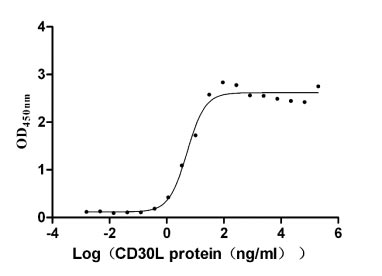
Recombinant Human Tumor necrosis factor ligand superfamily member 8 (TNFSF8), partial (Active)
Express system: Mammalian cell
Species: Homo sapiens (Human)
-
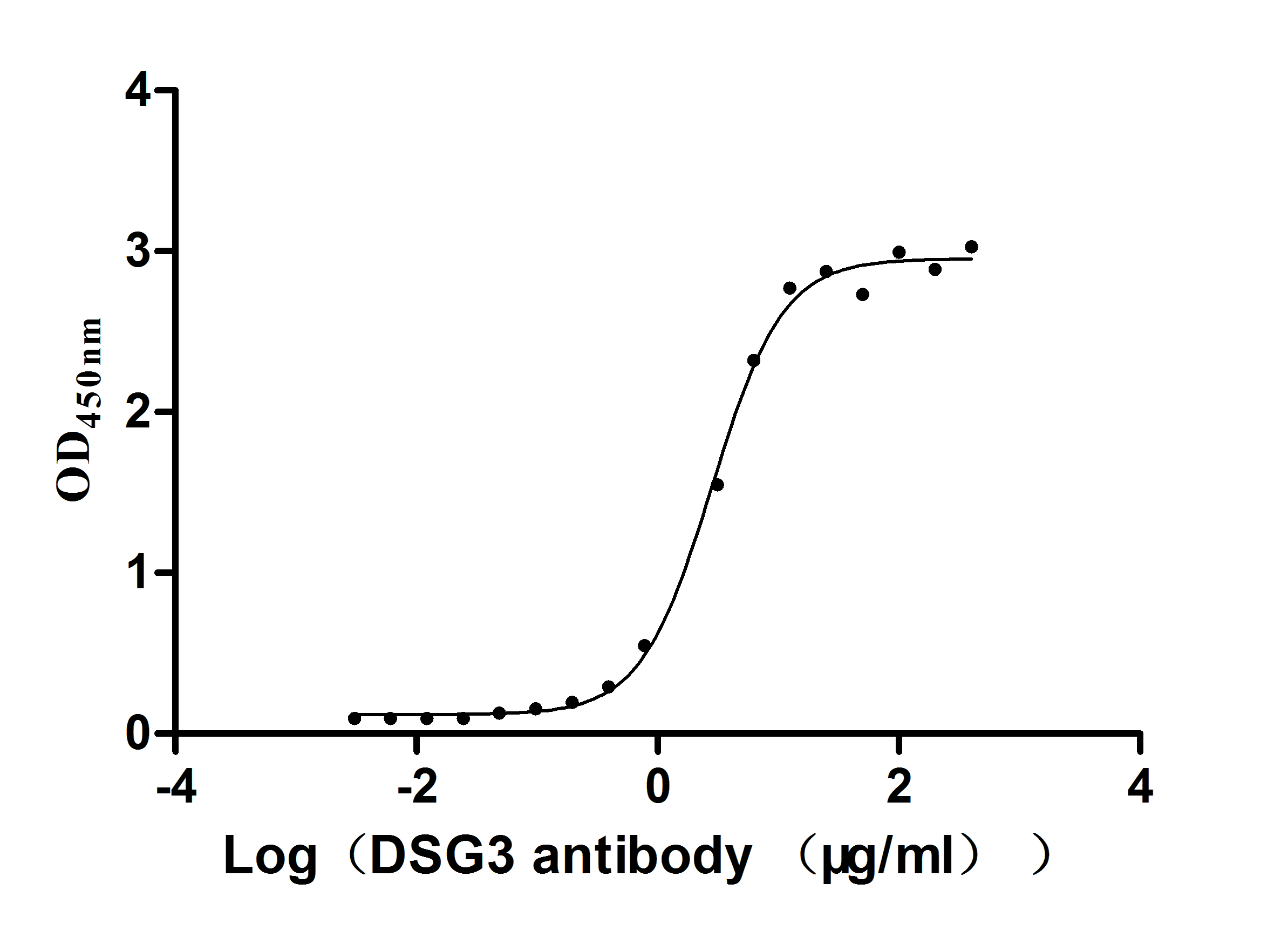
Recombinant Mouse Desmoglein-3 (Dsg3), partial (Active)
Express system: Mammalian cell
Species: Mus musculus (Mouse)
-
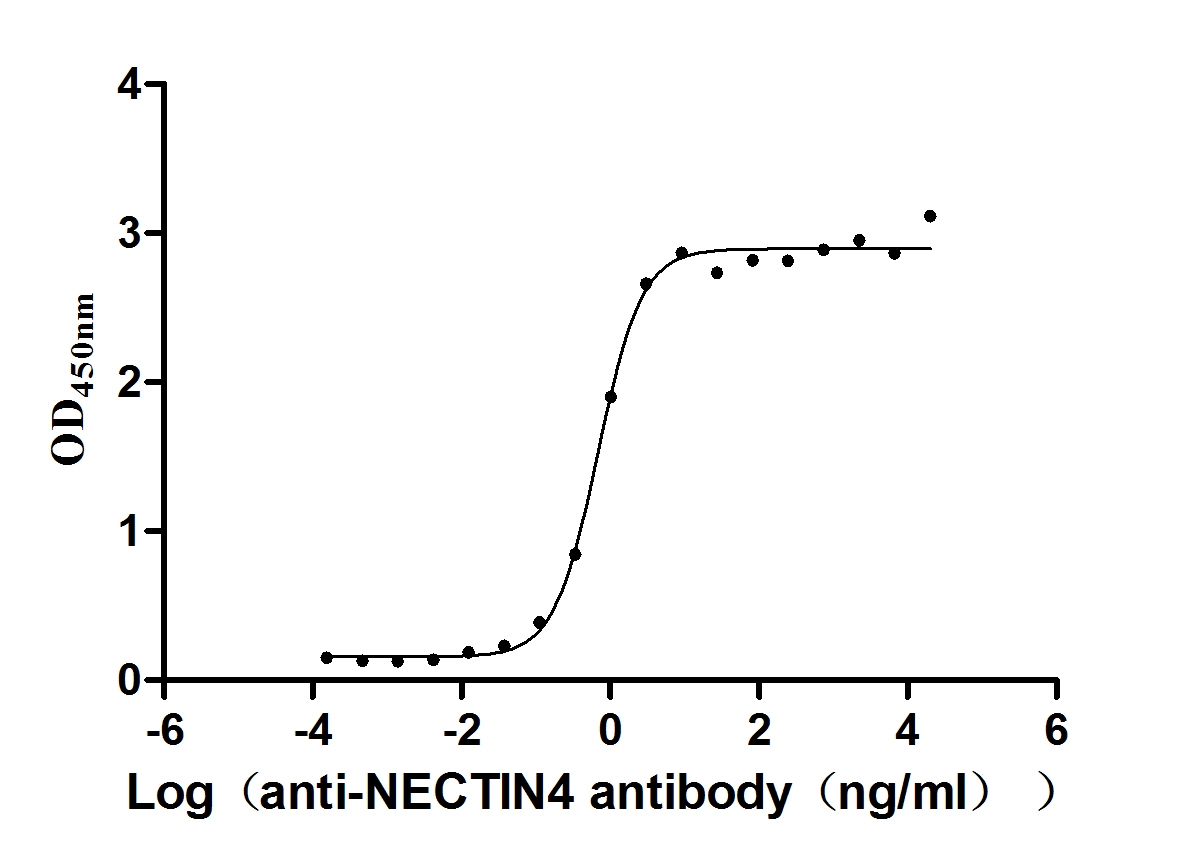
Recombinant Human Nectin-4 (NECTIN4), partial (Active)
Express system: Mammalian cell
Species: Homo sapiens (Human)
-
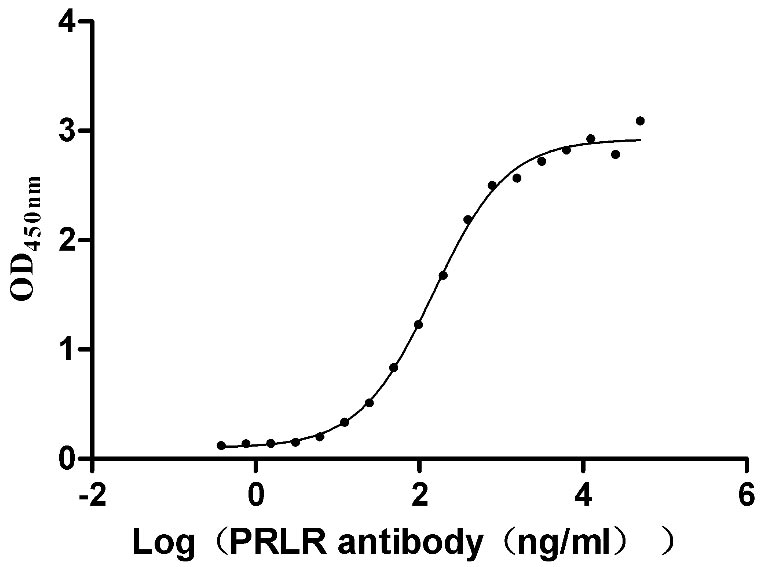
Recombinant Human Prolactin receptor (PRLR), partial (Active)
Express system: Mammalian cell
Species: Homo sapiens (Human)
-
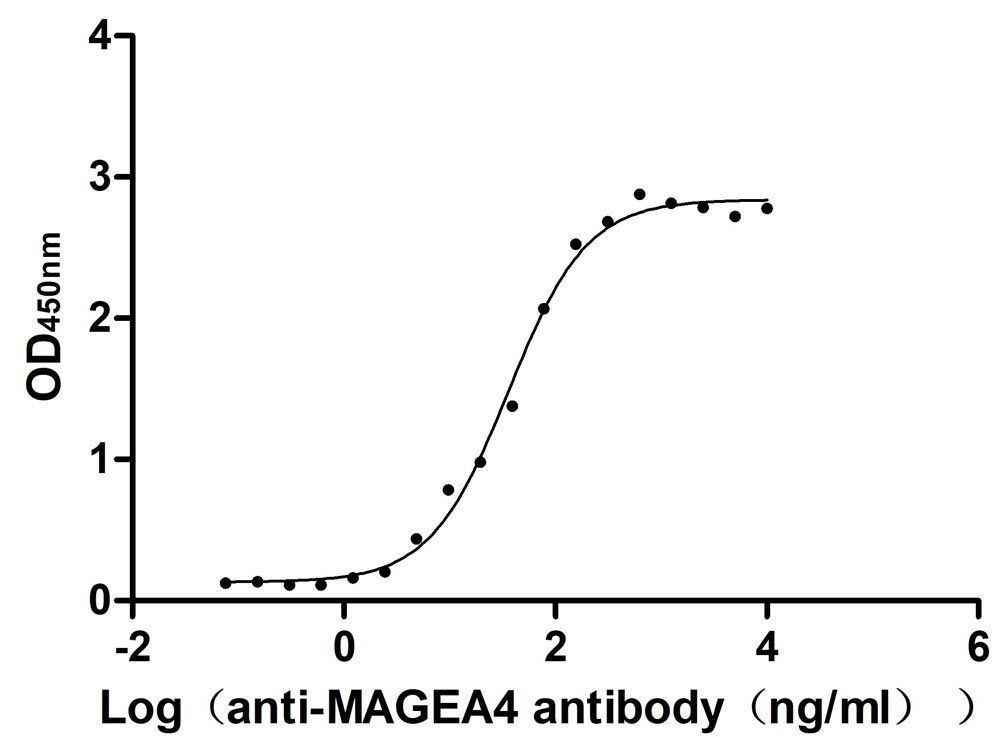
Recombinant Human Melanoma-associated antigen 4 (MAGEA4) (Active)
Express system: Mammalian cell
Species: Homo sapiens (Human)
-
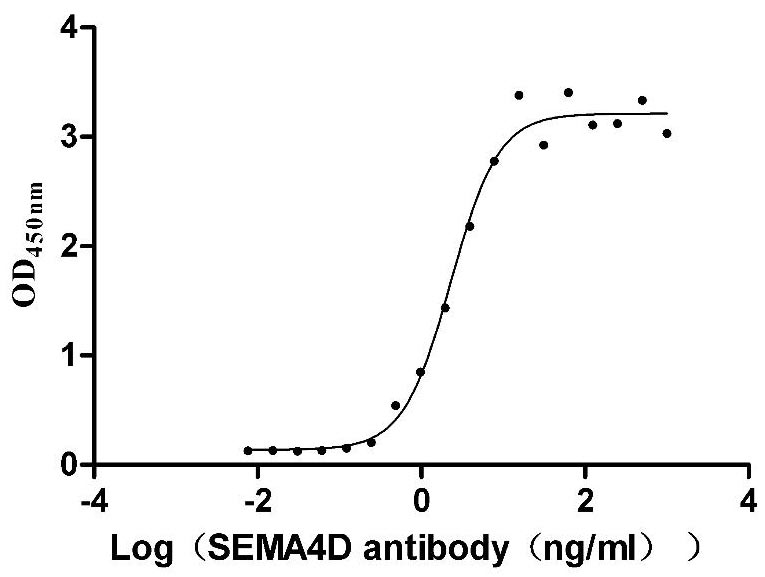
Recombinant Macaca mulatta Semaphorin-4D isoform 1 (SEMA4D), partial (Active)
Express system: Mammalian cell
Species: Macaca mulatta (Rhesus macaque)
-
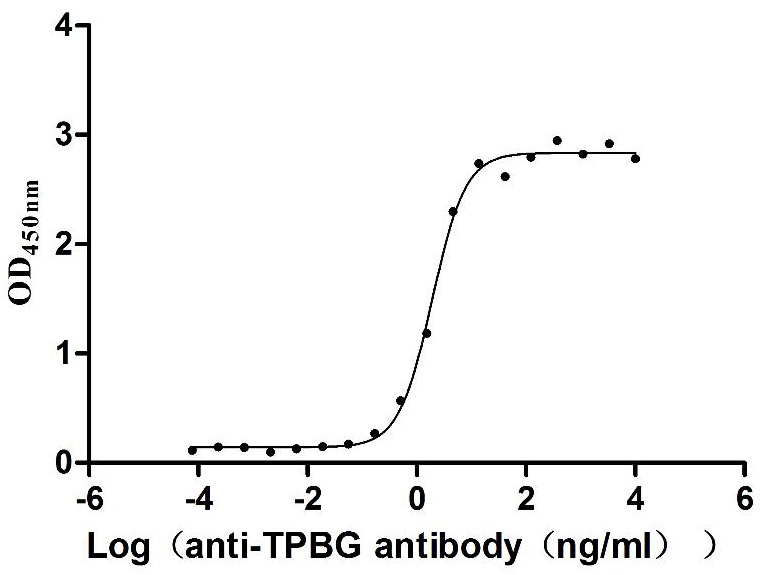
Recombinant Macaca fascicularis Trophoblast glycoprotein (TPBG), partial (Active)
Express system: Mammalian cell
Species: Macaca fascicularis (Crab-eating macaque) (Cynomolgus monkey)
-
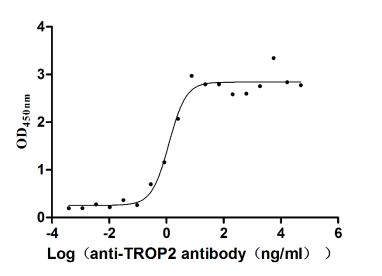
Recombinant Human Tumor-associated calcium signal transducer 2 (TACSTD2), partial (Active)
Express system: Mammalian cell
Species: Homo sapiens (Human)