Recombinant Human Phosducin-like protein (PDCL)
-
中文名稱:人PDCL重組蛋白
-
貨號:CSB-YP613394HU
-
規格:
-
來源:Yeast
-
其他:
-
中文名稱:人PDCL重組蛋白
-
貨號:CSB-EP613394HU
-
規格:
-
來源:E.coli
-
其他:
-
中文名稱:人PDCL重組蛋白
-
貨號:CSB-EP613394HU-B
-
規格:
-
來源:E.coli
-
共軛:Avi-tag Biotinylated
E. coli biotin ligase (BirA) is highly specific in covalently attaching biotin to the 15 amino acid AviTag peptide. This recombinant protein was biotinylated in vivo by AviTag-BirA technology, which method is BriA catalyzes amide linkage between the biotin and the specific lysine of the AviTag.
-
其他:
-
中文名稱:人PDCL重組蛋白
-
貨號:CSB-BP613394HU
-
規格:
-
來源:Baculovirus
-
其他:
-
中文名稱:人PDCL重組蛋白
-
貨號:CSB-MP613394HU
-
規格:
-
來源:Mammalian cell
-
其他:
產品詳情
-
純度:>85% (SDS-PAGE)
-
基因名:PDCL
-
Uniprot No.:
-
別名:OTTHUMP00000022069; PDCL; PHLOP1; PHLP; PHLP_HUMAN; PhLP1; Phosducin like; Phosducin like protein; Phosducin-like protein; RP11-465F21.2
-
種屬:Homo sapiens (Human)
-
蛋白長度:Full Length of Mature Protein
-
表達區域:2-301
-
氨基酸序列TTLDDKLLG EKLQYYYSSS EDEDSDHEDK DRGRCAPASS SVPAEAELAG EGISVNTGPK GVINDWRRFK QLETEQREEQ CREMERLIKK LSMTCRSHLD EEEEQQKQKD LQEKISGKMT LKEFAIMNED QDDEEFLQQY RKQRMEEMRQ QLHKGPQFKQ VFEISSGEGF LDMIDKEQKS IVIMVHIYED GIPGTEAMNG CMICLAAEYP AVKFCKVKSS VIGASSQFTR NALPALLIYK GGELIGNFVR VTDQLGDDFF AVDLEAFLQE FGLLPEKEVL VLTSVRNSAT CHSEDSDLEI D
-
蛋白標簽:Tag?type?will?be?determined?during?the?manufacturing?process.
The tag type will be determined during production process. If you have specified tag type, please tell us and we will develop the specified tag preferentially. -
產品提供形式:Lyophilized powder
Note: We will preferentially ship the format that we have in stock, however, if you have any special requirement for the format, please remark your requirement when placing the order, we will prepare according to your demand. -
復溶:We recommend that this vial be briefly centrifuged prior to opening to bring the contents to the bottom. Please reconstitute protein in deionized sterile water to a concentration of 0.1-1.0 mg/mL.We recommend to add 5-50% of glycerol (final concentration) and aliquot for long-term storage at -20℃/-80℃. Our default final concentration of glycerol is 50%. Customers could use it as reference.
-
儲存條件:Store at -20°C/-80°C upon receipt, aliquoting is necessary for mutiple use. Avoid repeated freeze-thaw cycles.
-
保質期:The shelf life is related to many factors, storage state, buffer ingredients, storage temperature and the stability of the protein itself.
Generally, the shelf life of liquid form is 6 months at -20°C/-80°C. The shelf life of lyophilized form is 12 months at -20°C/-80°C. -
貨期:Delivery time may differ from different purchasing way or location, please kindly consult your local distributors for specific delivery time.Note: All of our proteins are default shipped with normal blue ice packs, if you request to ship with dry ice, please communicate with us in advance and extra fees will be charged.
-
注意事項:Repeated freezing and thawing is not recommended. Store working aliquots at 4°C for up to one week.
-
Datasheet :Please contact us to get it.
產品評價

相關產品
靶點詳情
-
功能:Acts as a positive regulator of hedgehog signaling and regulates ciliary function.; Functions as a co-chaperone for CCT in the assembly of heterotrimeric G protein complexes, facilitates the assembly of both Gbeta-Ggamma and RGS-Gbeta5 heterodimers.; Acts as a negative regulator of heterotrimeric G proteins assembly by trapping the preloaded G beta subunits inside the CCT chaperonin.
-
基因功能參考文獻:
- PhLP1 binding stabilizes the Gbeta fold, disrupting interactions with CCT and releasing a PhLP1-Gbeta dimer for assembly with Ggamma. PMID: 25675501
- evidence of a generic mechanism, whereby the splicing of the PhLP gene could potentially and efficiently regulate the cellular levels of heterotrimeric G proteins. PMID: 23888055
- physiological control of G-protein regulation by PhLP seems to involve phosphorylation by CK2 and alternative splicing of the regulator PMID: 12466282
- the strong inhibitory action of PhLP(S) on Gbetagamma signaling is the result of a previously unrecognized mechanism of Gbetagamma-regulation, inhibition of Gbetagamma-folding by interference with TCP-1alpha PMID: 15745879
- PhLP phosphorylation permits the release of a PhLP x Gbeta intermediate from cytosolic chaperonin complex, allowing Ggamma to associate with Gbeta in this intermediate complex. PMID: 16717095
- cytosolic chaperonin complex-dependent mechanism exists for Gbeta5-RGS7 assembly that utilizes the co-chaperone activity of PhLP1 in a unique way PMID: 19376773
- PhLP-M1-G149, a Gbetagamma-interacting construct derived from phosducin-like protein 1 (PhLP) is a differential inhibitor of Gbetagamma PMID: 19403526
顯示更多
收起更多
-
亞細胞定位:Cell projection, cilium.
-
蛋白家族:Phosducin family
-
數據庫鏈接:
Most popular with customers
-
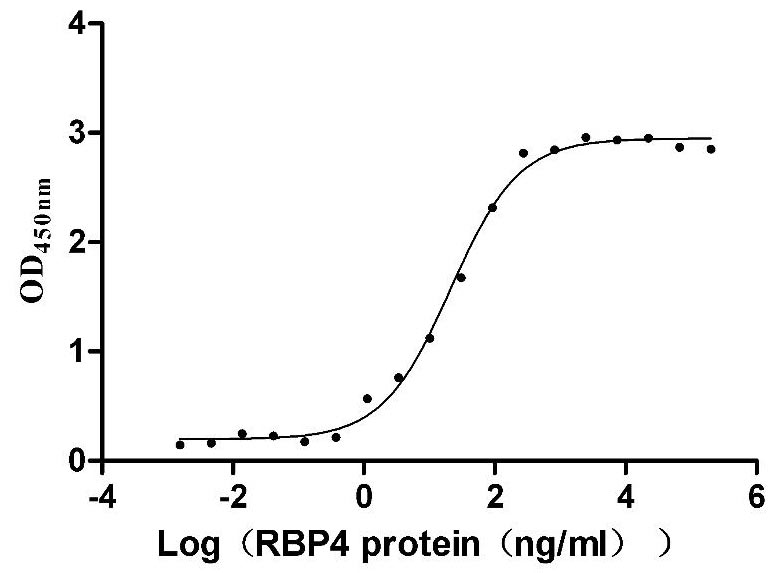
Recombinant Mouse Transthyretin (Ttr) (Active)
Express system: Mammalian cell
Species: Mus musculus (Mouse)
-
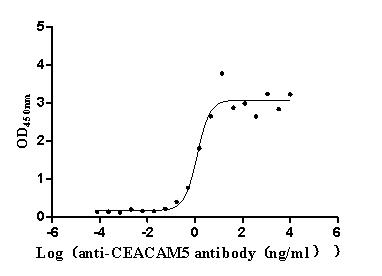
Express system: Mammalian cell
Species: Homo sapiens (Human)
-
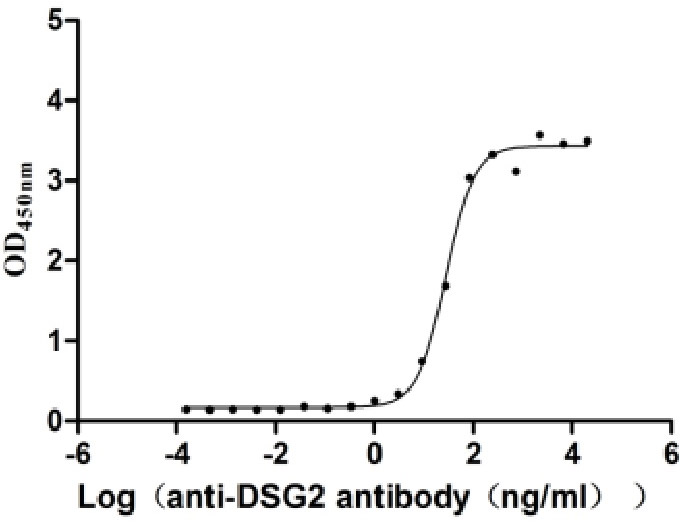
Recombinant Human Desmoglein-2 (DSG2), partial (Active)
Express system: Mammalian cell
Species: Homo sapiens (Human)
-
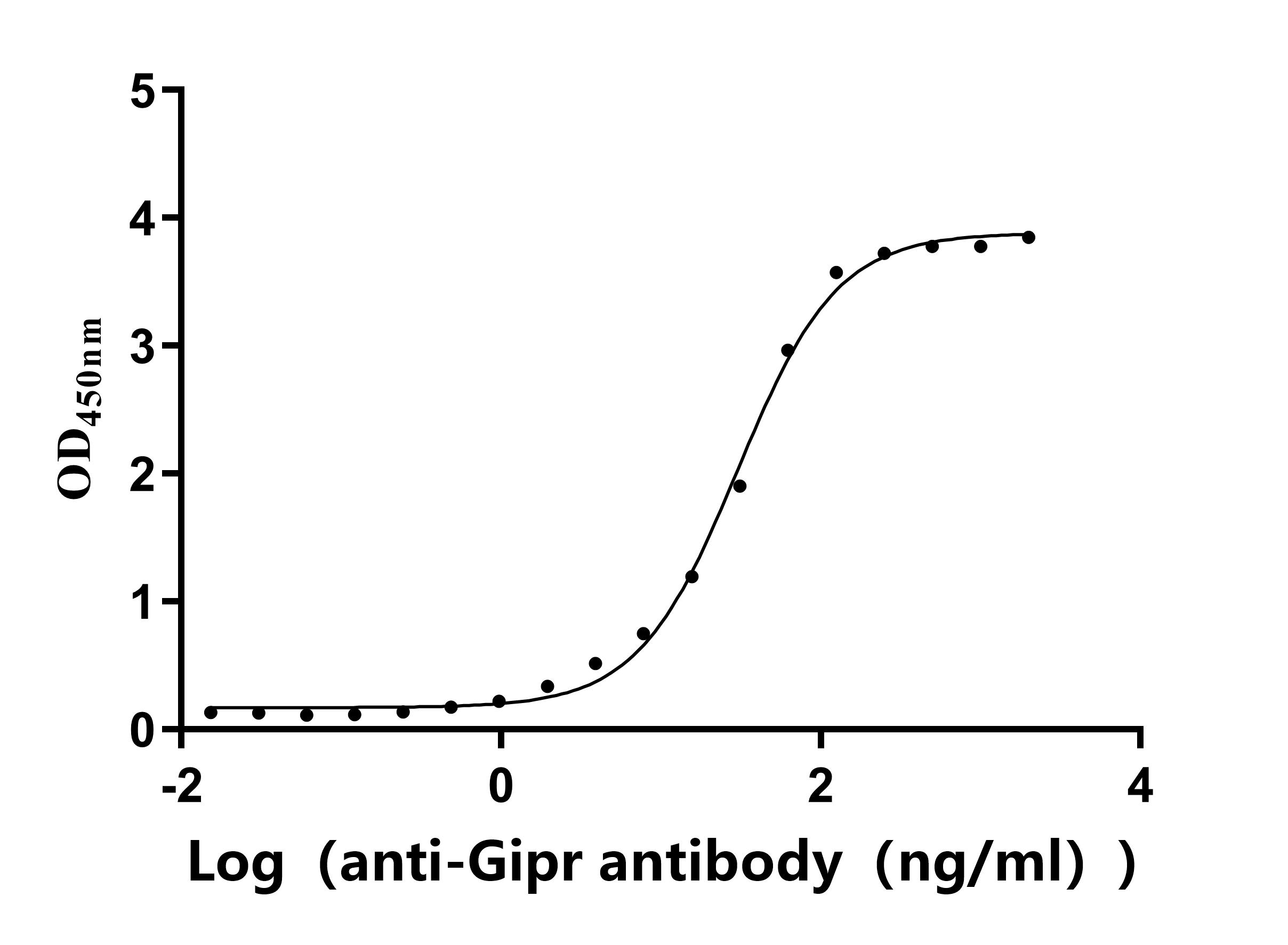
Recombinant Rat Gastric inhibitory polypeptide receptor (Gipr), partial (Active)
Express system: Mammalian cell
Species: Rattus norvegicus (Rat)
-
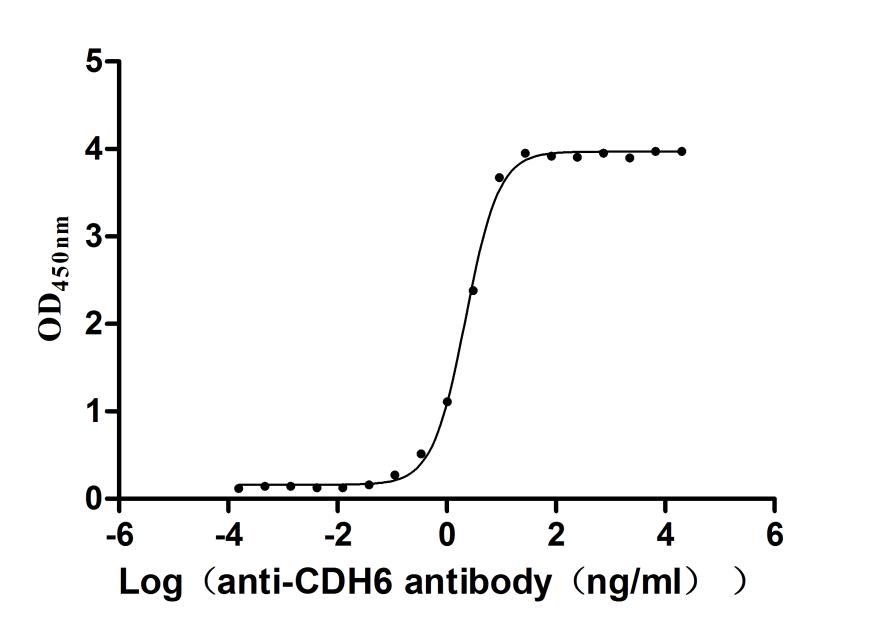
Recombinant Macaca fascicularis Cadherin 6(CDH6),partial (Active)
Express system: Mammalian cell
Species: Macaca fascicularis (Crab-eating macaque) (Cynomolgus monkey)