Recombinant Human Lysine-specific demethylase 4B (KDM4B), partial
-
中文名稱(chēng):人KDM4B重組蛋白
-
貨號(hào):CSB-YP012138HU
-
規(guī)格:
-
來(lái)源:Yeast
-
其他:
-
中文名稱(chēng):人KDM4B重組蛋白
-
貨號(hào):CSB-EP012138HU
-
規(guī)格:
-
來(lái)源:E.coli
-
其他:
-
中文名稱(chēng):人KDM4B重組蛋白
-
貨號(hào):CSB-EP012138HU-B
-
規(guī)格:
-
來(lái)源:E.coli
-
共軛:Avi-tag Biotinylated
E. coli biotin ligase (BirA) is highly specific in covalently attaching biotin to the 15 amino acid AviTag peptide. This recombinant protein was biotinylated in vivo by AviTag-BirA technology, which method is BriA catalyzes amide linkage between the biotin and the specific lysine of the AviTag.
-
其他:
-
中文名稱(chēng):人KDM4B重組蛋白
-
貨號(hào):CSB-BP012138HU
-
規(guī)格:
-
來(lái)源:Baculovirus
-
其他:
-
中文名稱(chēng):人KDM4B重組蛋白
-
貨號(hào):CSB-MP012138HU
-
規(guī)格:
-
來(lái)源:Mammalian cell
-
其他:
產(chǎn)品詳情
-
純度:>85% (SDS-PAGE)
-
基因名:KDM4B
-
Uniprot No.:
-
別名:JHDM3B; JmjC domain-containing histone demethylation protein 3B; JMJD2B; Jumonji domain containing 2B; Jumonji domain containing protein 2B; Jumonji domain-containing protein 2B; Kdm4b; KDM4B_HUMAN; KIAA0876; Lysine (K) specific demethylase 4B; Lysine demethylase 4B; Lysine-specific demethylase 4B; TDRD14B; Tudor domain containing 14B
-
種屬:Homo sapiens (Human)
-
蛋白長(zhǎng)度:Partial
-
蛋白標(biāo)簽:Tag?type?will?be?determined?during?the?manufacturing?process.
The tag type will be determined during production process. If you have specified tag type, please tell us and we will develop the specified tag preferentially. -
產(chǎn)品提供形式:Lyophilized powder
Note: We will preferentially ship the format that we have in stock, however, if you have any special requirement for the format, please remark your requirement when placing the order, we will prepare according to your demand. -
復(fù)溶:We recommend that this vial be briefly centrifuged prior to opening to bring the contents to the bottom. Please reconstitute protein in deionized sterile water to a concentration of 0.1-1.0 mg/mL.We recommend to add 5-50% of glycerol (final concentration) and aliquot for long-term storage at -20℃/-80℃. Our default final concentration of glycerol is 50%. Customers could use it as reference.
-
儲(chǔ)存條件:Store at -20°C/-80°C upon receipt, aliquoting is necessary for mutiple use. Avoid repeated freeze-thaw cycles.
-
保質(zhì)期:The shelf life is related to many factors, storage state, buffer ingredients, storage temperature and the stability of the protein itself.
Generally, the shelf life of liquid form is 6 months at -20°C/-80°C. The shelf life of lyophilized form is 12 months at -20°C/-80°C. -
貨期:Delivery time may differ from different purchasing way or location, please kindly consult your local distributors for specific delivery time.Note: All of our proteins are default shipped with normal blue ice packs, if you request to ship with dry ice, please communicate with us in advance and extra fees will be charged.
-
注意事項(xiàng):Repeated freezing and thawing is not recommended. Store working aliquots at 4°C for up to one week.
-
Datasheet :Please contact us to get it.
產(chǎn)品評(píng)價(jià)

相關(guān)產(chǎn)品
靶點(diǎn)詳情
-
功能:Histone demethylase that specifically demethylates 'Lys-9' of histone H3, thereby playing a role in histone code. Does not demethylate histone H3 'Lys-4', H3 'Lys-27', H3 'Lys-36' nor H4 'Lys-20'. Only able to demethylate trimethylated H3 'Lys-9', with a weaker activity than KDM4A, KDM4C and KDM4D. Demethylation of Lys residue generates formaldehyde and succinate.
-
基因功能參考文獻(xiàn):
- findings illustrate the significance of CREB-KDM4B-STAT3 signaling cascade in DNA damage response, and highlight that KDM4B may potentially be a novel oncotarget for colorectal cancer radiotherapy. PMID: 29633065
- p-ERK-mediated phosphorylation and stabilization of JMJD2B during glucose deprivation contributes to its role in glucose uptake and cell viability, which may be modulated through epigenetically upregulation of GLUT1 in colon cancer cells. PMID: 28945223
- KDM4B may play an important role in mitochondrial apoptosis and represent a potential therapeutic cancer target in colorectal cancer PMID: 27506941
- High KDM4B expression is associated with Neuroblastomas. PMID: 28684529
- This is the first demonstration that a Jumonji-domain histone demethylase regulates cellular processes required for peritoneal dissemination of cancer cells, one of the predominant factors affecting prognosis of EOC. The pathways regulated by KDM4B may present novel opportunities to develop combinatorial therapies to improve existing therapies for EOC patients. PMID: 27869162
- identification of JMJD2B/KDM4B as a p53-inducible gene in response to DNA damage. PMID: 28073943
- KDM4B and KDM4D expression may associate with an aggressive subtype of classical Hodgkin lymphoma and be linked with radioresistance PMID: 27630312
- KDM4B is a key mediator in epithelial-mesenchymal transition process, and may serve as an important prognostic marker and therapeutic target for the metastatic progression of human pancreatic cancer PMID: 26511091
- The overall survival (OS) of the 50 JMJD2B-positive patients after surgery was significantly inferior to that of the JMJD2B-negative patients (five-year survival=56.7% vs. 92.6%; log-rank: p=0.01). Multivariate analysis showed that JMJD2B positivity was an independent prognostic factor. CONCLUSION: JMJD2B may be a novel prognostic factor for resected lung adenocarcinoma PMID: 27630338
- upon TGF-beta stimulation, KDM4B was recruited to the SOX9 promoter, removed the silencing H3K9me3 marks, and activated the transcription of SOX9. PMID: 26485430
- High KDM4B expression is associated with endometrial cancer progression. PMID: 26397136
- JMJD2B and JMJD2C play an important role in the pathology of osteosarcoma via the up-regulation of FGF2. PMID: 25636512
- results reveal that JMJD2B is dramatically upregulated in hepatocellular carcinoma, making it a potential diagnostic marker for the further development of HCC treatment therapies PMID: 25533242
- Functional studies demonstrated that KDM4B regulates the Myc pathway. N-Myc was found to physically interact with and recruit KDM4B. KDM4B was found to regulate neuroblastoma cell proliferation and differentiation in vitro and xenograft growth in vivo. PMID: 25925418
- Data indicate that miR-491-5p plays a tumor suppressor role in the development and progression of breast cancer via direct targeting the 3'UTR of JMJD2B mRNA. PMID: 25725194
- Silencing of JMJD2B induces cell apoptosis via mitochondria-mediated and death receptor-mediated pathway activation in colorectal cancer. PMID: 24957706
- KDM4B was upregulated in colon and rectal adenocarcinomas and required for efficient growth and clonogenic activity of human HT-29 colon cancer cells. PMID: 24481461
- A novel function of JMJD2B in promoting epithelial-mesenchymal transition and gastric cancer invasion and metastasis. PMID: 24077348
- Results suggest that by regulating JMJD2b and SUV39H1 expression, p53 not only controls transcription but also promotes HC relaxation to accelerate a rate-limiting step in the repair of complex genomes. PMID: 23376847
- Jumonji domain-containing protein 2B has an essential role in cancer cell survival and tumor growth via DNA damage response mediation, which STAT3 partially regulates. PMID: 24473398
- novel pathway by which Hsp90 activity alters the histone code via regulation of KDM4B stability. PMID: 23589305
- JMJD2B may play a central role in gastric cancer cell growth and might constitute a novel therapeutic target to overcome hypoxia-induced radio-resistance, thereby improving the efficiency of radiation therapy. PMID: 23046878
- JMJD2B interacts with ERalpha and components of the SWI/SNF-B chromatin remodeling complex. JMJD2B is recruited to ERalpha target sites, demethylates H3K9me3 and facilitates transcription of ER responsive genes including MYB, MYC and CCND1. PMID: 21445275
- The histone demethylases KDM4B and KDM6B play critical roles in osteogenic commitment of mesenchymal stem/stromal cells. PMID: 22770241
- showed that JMJD2B was overexpressed in colorectal cancer tissues and positively correlated with expression of the hypoxic marker carbonic anhydrase 9 PMID: 22745382
- High JMJD2B is associated with bladder and lung carcinogenesis through positive regulation of cyclin-dependent kinase 6. PMID: 21930796
- JMJD2B is required for sustained proliferation and survival of tumor cells in vitro and in vivo, and its aberrant expression may contribute to the pathogenesis of gastric cancer. PMID: 22133676
- knockdown of JMJD2B severely impairs estrogen-induced cell proliferation and the tumor formation capacity of breast cancer cells PMID: 21445275
- Histone demethylase JMJD2B coordinates H3K4/H3K9 methylation and promotes hormonally responsive breast carcinogenesis. PMID: 21502505
- Histone demethylase JMJD2B is regulated by both ERalpha and HIF-1alpha, drives breast cancer cell proliferation in normoxia and hypoxia, and epigenetically regulates the expression of cell cycle genes. PMID: 20682797
- Two GATA-binding sites within intron 6 of human JMJD2B gene were conserved in mouse Jmjd2b gene. PMID: 17611647
- Results show that many genes regulated by hypoxia and HIF-1alpha show patterns of induction with JMJD (Jumonji-domain containing)1A and JMJD2B demonstrating robust, and JMJD2C more modest, up-regulation by hypoxia. PMID: 18713068
- histone demethylases JMJD1A and JMJD2B are transcriptional targets of hypoxia-inducible factor HIF PMID: 18984585
顯示更多
收起更多
-
亞細(xì)胞定位:Nucleus.
-
蛋白家族:JHDM3 histone demethylase family
-
數(shù)據(jù)庫(kù)鏈接:
Most popular with customers
-
-AC1.jpg)
Recombinant Human Pro-neuregulin-1, membrane-bound isoform (NRG1), partial (Active)
Express system: Mammalian cell
Species: Homo sapiens (Human)
-
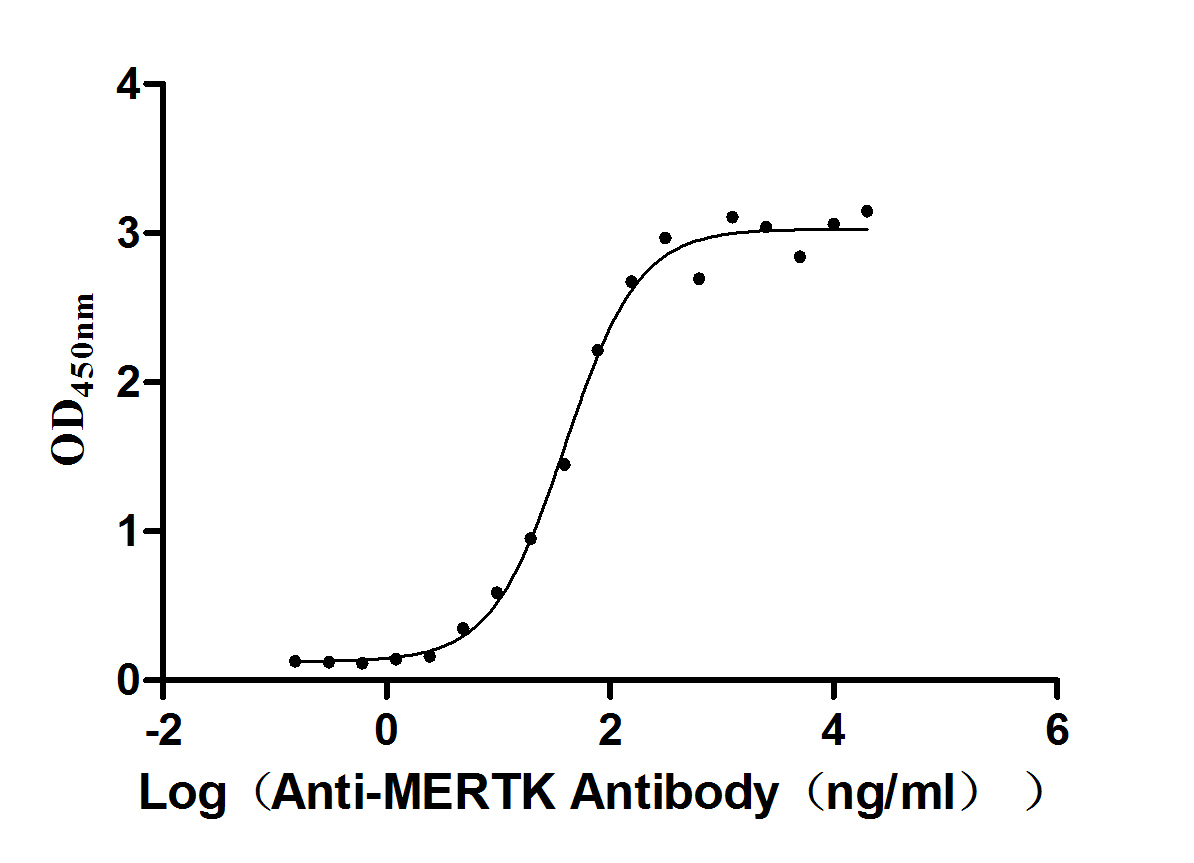
Recombinant Human Tyrosine-protein kinase Mer (MERTK), partial (Active)
Express system: Mammalian cell
Species: Homo sapiens (Human)
-
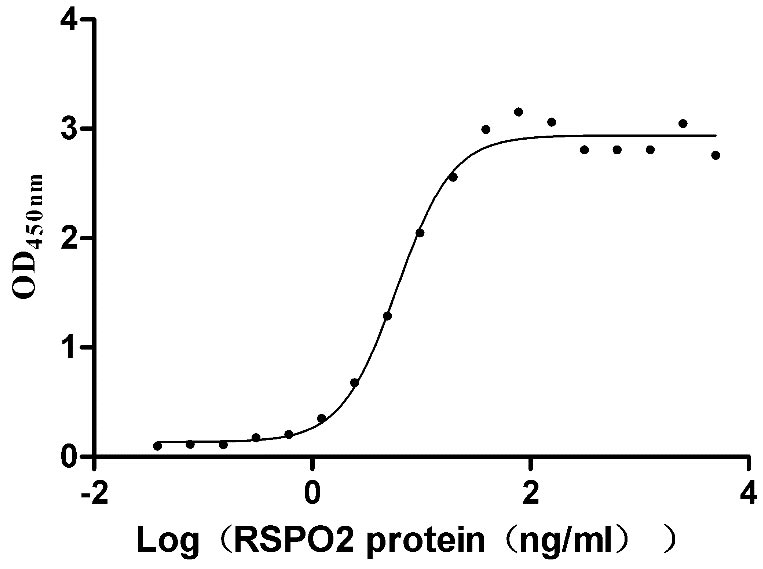
Recombinant Human E3 ubiquitin-protein ligase ZNRF3 (ZNRF3), partial (Active)
Express system: Mammalian cell
Species: Homo sapiens (Human)
-
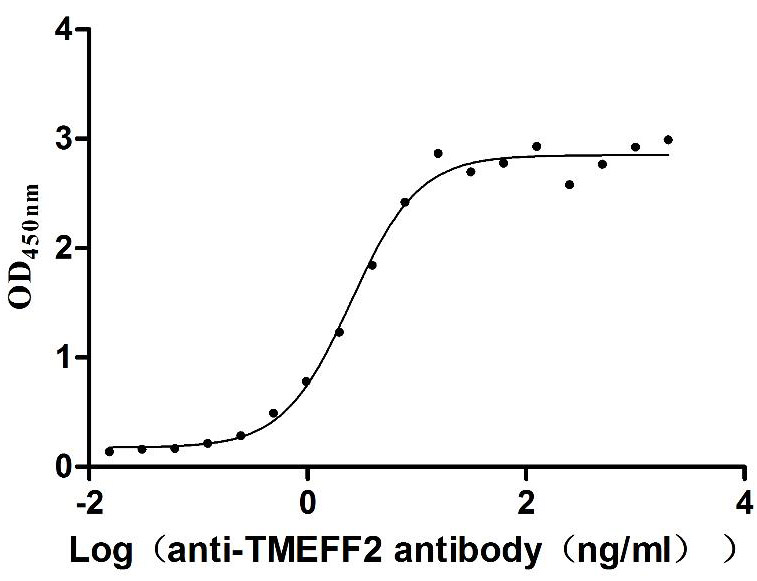
Recombinant Human Tomoregulin-2 (TMEFF2), partial (Active)
Express system: Mammalian cell
Species: Homo sapiens (Human)
-
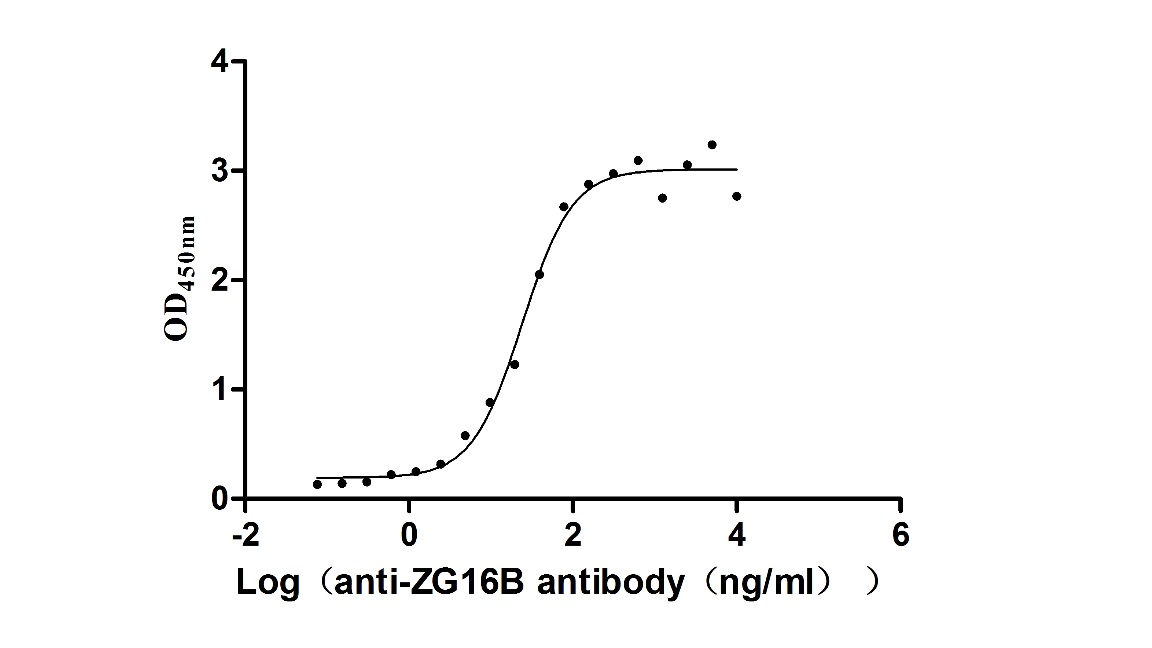
Recombinant Macaca fascicularis zymogen granule protein 16 homolog B (ZG16B) (Active)
Express system: Mammalian cell
Species: Macaca fascicularis (Crab-eating macaque) (Cynomolgus monkey)
-
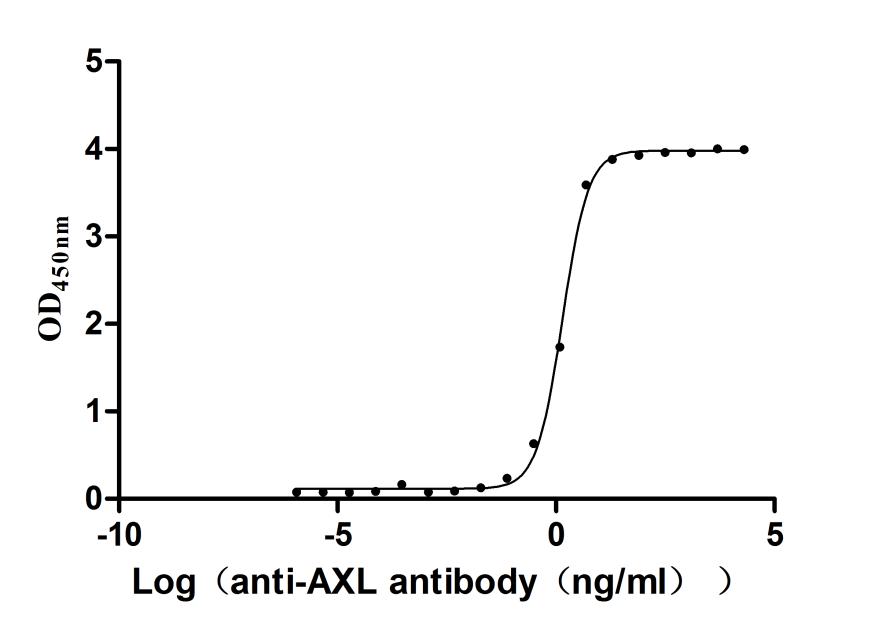
Recombinant Human Tyrosine-protein kinase receptor UFO(AXL),partial (Active)
Express system: Mammalian cell
Species: Homo sapiens (Human)
-
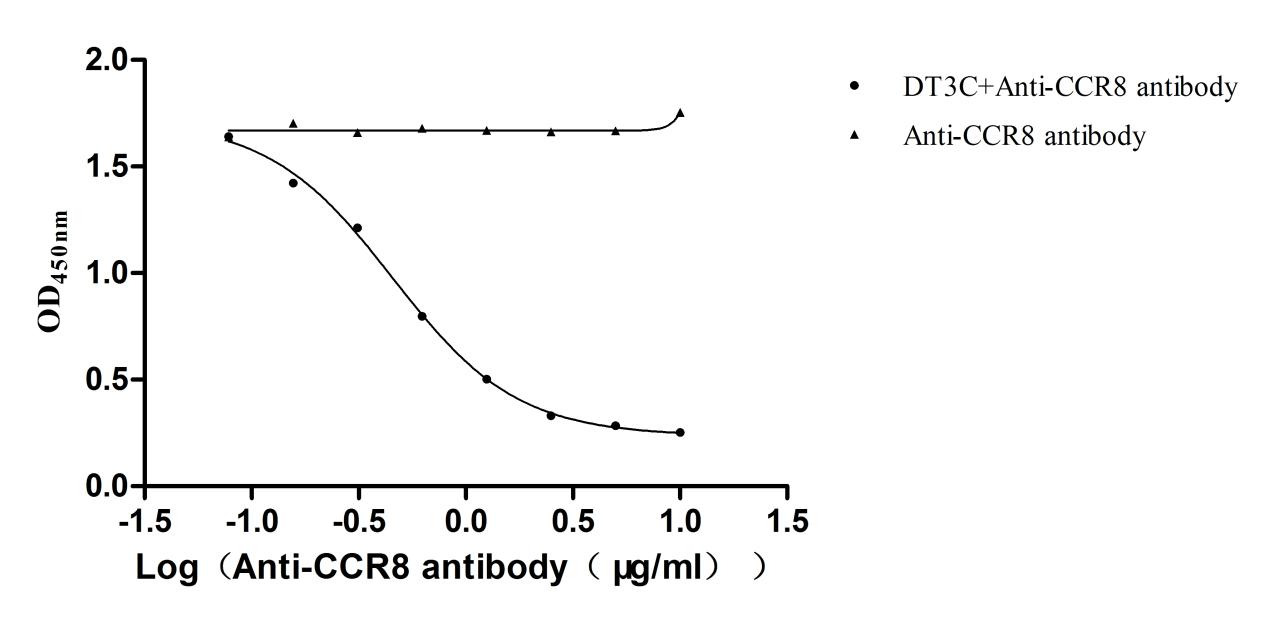
Recombinant DT3C (Diphtheria toxin & spg 3C domain) for Antibody Internalization Assay (Active)
Express system: E.coli
Species: N/A