Recombinant Human Heat shock protein beta-8 (HSPB8)
-
中文名稱:人HSPB8重組蛋白
-
貨號:CSB-YP891531HU
-
規(guī)格:
-
來源:Yeast
-
其他:
-
中文名稱:人HSPB8重組蛋白
-
貨號:CSB-EP891531HU
-
規(guī)格:
-
來源:E.coli
-
其他:
-
中文名稱:人HSPB8重組蛋白
-
貨號:CSB-EP891531HU-B
-
規(guī)格:
-
來源:E.coli
-
共軛:Avi-tag Biotinylated
E. coli biotin ligase (BirA) is highly specific in covalently attaching biotin to the 15 amino acid AviTag peptide. This recombinant protein was biotinylated in vivo by AviTag-BirA technology, which method is BriA catalyzes amide linkage between the biotin and the specific lysine of the AviTag.
-
其他:
-
中文名稱:人HSPB8重組蛋白
-
貨號:CSB-BP891531HU
-
規(guī)格:
-
來源:Baculovirus
-
其他:
-
中文名稱:人HSPB8重組蛋白
-
貨號:CSB-MP891531HU
-
規(guī)格:
-
來源:Mammalian cell
-
其他:
產(chǎn)品詳情
-
純度:>85% (SDS-PAGE)
-
基因名:HSPB8
-
Uniprot No.:
-
別名:Alpha crystallin C chain; Alpha-crystallin C chain; Charcot Marie Tooth disease axonal type 2L; Charcot Marie Tooth disease spinal; CMT2L; CRYAC; DHMN 2; DHMN2; E2 induced gene 1 protein; E2-induced gene 1 protein; E2IG1; H11; Heat shock 22kDa protein 8; Heat shock 27kDa protein 8; Heat shock protein 22; Heat shock protein beta 8; Heat shock protein beta-8; Hereditary motor neuropathy distal; HMN 2; HMN2; HMN2A; HSB8; HSPB 8; HspB8; HSPB8_HUMAN; OTTHUMP00000239768; Protein kinase H11; Small stress protein like protein HSP22; Small stress protein-like protein HSP22; Spinal muscular atrophy distal adult autosomal dominant
-
種屬:Homo sapiens (Human)
-
蛋白長度:full length protein
-
表達區(qū)域:1-196
-
氨基酸序列MADGQMPFSC HYPSRLRRDP FRDSPLSSRL LDDGFGMDPF PDDLTASWPD WALPRLSSAW PGTLRSGMVP RGPTATARFG VPAEGRTPPP FPGEPWKVCV NVHSFKPEEL MVKTKDGYVE VSGKHEEKQQ EGGIVSKNFT KKIQLPAEVD PVTVFASLSP EGLLIIEAPQ VPPYSTFGES SFNNELPQDS QEVTCT
-
蛋白標簽:Tag?type?will?be?determined?during?the?manufacturing?process.
The tag type will be determined during production process. If you have specified tag type, please tell us and we will develop the specified tag preferentially. -
產(chǎn)品提供形式:Lyophilized powder
Note: We will preferentially ship the format that we have in stock, however, if you have any special requirement for the format, please remark your requirement when placing the order, we will prepare according to your demand. -
復(fù)溶:We recommend that this vial be briefly centrifuged prior to opening to bring the contents to the bottom. Please reconstitute protein in deionized sterile water to a concentration of 0.1-1.0 mg/mL.We recommend to add 5-50% of glycerol (final concentration) and aliquot for long-term storage at -20℃/-80℃. Our default final concentration of glycerol is 50%. Customers could use it as reference.
-
儲存條件:Store at -20°C/-80°C upon receipt, aliquoting is necessary for mutiple use. Avoid repeated freeze-thaw cycles.
-
保質(zhì)期:The shelf life is related to many factors, storage state, buffer ingredients, storage temperature and the stability of the protein itself.
Generally, the shelf life of liquid form is 6 months at -20°C/-80°C. The shelf life of lyophilized form is 12 months at -20°C/-80°C. -
貨期:Delivery time may differ from different purchasing way or location, please kindly consult your local distributors for specific delivery time.Note: All of our proteins are default shipped with normal blue ice packs, if you request to ship with dry ice, please communicate with us in advance and extra fees will be charged.
-
注意事項:Repeated freezing and thawing is not recommended. Store working aliquots at 4°C for up to one week.
-
Datasheet :Please contact us to get it.
產(chǎn)品評價

相關(guān)產(chǎn)品
靶點詳情
-
功能:Displays temperature-dependent chaperone activity.
-
基因功能參考文獻:
- results strongly suggest that HSP22 represses HCC progression, especially HCC cell migration, by the down-regulation of the PI3K/AKT signaling pathway. PMID: 28456666
- Data indicated that the HSPB8 expression level was strongly positively correlated with MAPK signaling pathway and CREB pathway and worse prognosis. The methylation level of its DNA was negatively associated with its expression and positively associated with overall survival. These results suggest that HSPB8 could promote the proliferation and inhibit the apoptosis of GC cells by activating ERKCREB signaling. PMID: 29693129
- HSPB2 competes with HSPB8 for binding to BAG3. In contrast, HSPB3 negatively regulates HSPB2 association with BAG3. PMID: 28181153
- Silencing of HSPB8 markedly decreased the mitotic levels of BAG3 in HeLa cells, supporting its crucial role in BAG3 mitotic functions. The results support a role for the HSPB8-BAG3 chaperone complex in quality control of actin-based structure dynamics that are put under high tension, notably during cell cytokinesis. PMID: 28275944
- HSPB8 is involved in regulating the cell cycle and cell migration in MCF-7 cells. PMID: 28060751
- suggest that HSPB8 may act as an intracellular factor against hepatitis C virus replication and that DNAJC5B has the same function, with more relevant results for genotype 3 PMID: 29182667
- It has been demonstrated that HSPB8-BAG3-HSP70 ensures the functionality of stress granules and restores proteostasis by targeting defective ribosomal products for degradation. PMID: 27570075
- HSPB8 counteracts accumulation of aberrantly localized misfolded forms of TDP-43 and its 25 KDa fragment involved in most sporadic cases of Amyotrophic Lateral Sclerosis and of Fronto Lateral Temporal Dementia. PMID: 26961006
- expands the understanding of disease mechanisms, tissue involvement, and phenotypic outcome of HSPB8 mutations PMID: 26718575
- our findings suggest the existence of a so-far unrecognized quality control mechanism involving BAG3, HSPB8 and p62/SQSTM1 for accurate remodelling of actin-based mitotic structures that guide spindle orientation. PMID: 26496431
- This study demonstreated that expression of HSPB8 was restricted to GFAP+ astrocytes in patient with multiple sclerosis. PMID: 26694816
- Pangenomic profiling of velcade-sensitive and resistant cells showed that the small heat shock protein HSPB8 was overexpressed in multiple myeloma resistant cells. PMID: 25051369
- HSP22 acts as a positive regulator in TGF-alpha-induced migration of ovarian cancer cells, subsequently directing ovarian cancer toward progression. PMID: 25731856
- HSP22 plays an important role on gastric tumor aggressiveness and prognosis and may act as a promising target for prognostic prediction. PMID: 24804817
- Mutant HSPB8 causes protein aggregates and a reduced mitochondrial membrane potential in dermal fibroblasts from distal hereditary motor neuropathy patients. PMID: 22595202
- The expression of HspB8 inhibits the growth of genetically diverse melanoma cells that include caspase-1 activation outside of the realm of the inflammasome, mTORC1-dependent Beclin-1 upregulation and its cleavage by the activated caspase-1. PMID: 22898869
- findings show that during heat shock recovery NF-kappaB activates selective removal of misfolded or aggregated proteins by controlling expression of BAG3 and HSPB8 and by modulating the level of the BAG3-HspB8 complex PMID: 22302993
- we observed upregulation of HSPB8 and BAG3 selectively in astrocytes located within the degenerated areas of patients with protein aggregation diseases PMID: 21696420
- We studied the HSPB1 and HSPB8 mutation occurrence in patients with distal hereditary motor neuropathy and those with the axonal form of Charcot-Marie-Tooth disease type 2 PMID: 22176143
- present study demonstrates that HSPB8 is silenced by DNA methylation in hematopoietic malignant and normal cells PMID: 21914495
- The results of this syudy suggested that defects in HspB8-mediated autophagy are likely to contribute to dHMNII pathology and their detection in peripheral blood mononuclear cells could be a useful, accessible biomarker for the disease. PMID: 21985219
- HSPB8 may play an important role in the protection of cells under lethal heat shock treatment, and the K141N mutation can impair the protective effect. PMID: 21983727
- phosphorylation of HspB8 by ERK1 might be important for regulation of interaction of HspB8 with different target proteins PMID: 21526341
- Overexpression of HSPB1, as well as HSPB6, HSPB7 and HSPB8 independently protect against tachycardia remodeling by attenuation of the RhoA GTPase pathway at different levels. PMID: 21731611
- The complexes formed by Bag3 and HspB8 might have variable stoichiometry and can participate in different processes including clearing of the cell from improperly folded proteins. PMID: 21767525
- Drosophila HSP67Bc is the functional ortholog of human HSPB8 and Dm-HSP67Bc induces autophagy via the eIF2alpha pathway. PMID: 20858900
- HspB8 increases misfolded SOD1 clearance via autophagy. PMID: 20570967
- Data show that the interaction between HspB6 and Bag3 requires the same regions that are involved in the HspB8-Bag3 association. PMID: 19845507
- The results confirm predictions that Hsp22 belongs to the family of intrinsically disordered proteins with certain parts of its molecule retaining folded structure and undergoing reversible thermal unfolding. PMID: 19783089
- Forced H11 expression triggers apoptosis. PMID: 12832417
- In two pedigrees with distal hereditary motor neuropathy type II linked to chromosome 12q24.3, we identified the same mutation (K141N) in small heat-shock 22-kDa protein 8 (encoded by HSPB8; also called HSP22). PMID: 15122253
- Hsp22 is highly homologous to small heat shock proteins and effectively prevents aggregation of denatured protein both in vitro and in vivo. It is supposed that chaperone-like activity is of great importance for Hsp22 functioning PMID: 15541337
- Reduced chaperone activity of mutated HspB8 is associated with neuromuscular disorders PMID: 15879436
- The rate of HSP22 gene mutation in Chinese patients with Charcot-Marie-Tooth disease is as low as 0.87%(1/115). PMID: 16086267
- Our results suggest that a variety of oligomers composed of different proportions of different sHSPs may form in cell types expressing multiple sHSPs. PMID: 16225851
- HspB8 might play important role in regulating Abeta aggregation and, therefore, development of classic senile plaques in Alzheimer's disease and cerebral amyloid angiopathy in hereditary cerebral hemorrhage with amyloidosis of Dutch type. PMID: 16485107
- Small heat shock protein B8 (HSP22) is a novel TLR4 agonist abundantly expressed in synovial tissue from patients with rheumatoid arthritis. PMID: 16709864
- found aberrantly increased interactions of neuropathy-associated mutant HSP22 forms with themselves, with wild-type HSP22, and with the other sHSPs, alphaB-crystallin, and HSP27. PMID: 16935933
- Aberrant DNA methylation silences the novel heat shock protein H11 in melanoma PMID: 17033167
- HspB8 overload causes melanoma growth arrest and apoptosis through TAK1 activation PMID: 17173073
- Displays chaperone activity, autokinase activity, and trigger or block apoptosis activity. Decrease may contribute to development of some neurologic diseases and others. (Review) PMID: 17304582
- HSP22 seems to play an important role in the nervous system. PMID: 17722063
- Effect of mutations in the beta5-beta7 loop on the structure and properties of human small heat shock protein HSP22 PMID: 17922839
- These results suggested that the HspB8-Bag3 complex might stimulate the degradation of Htt43Q by macroautophagy. PMID: 18006506
- HSPB8 is a candidate CDK-independent cyclin D1 target that can mediate its effects PMID: 18006821
- HspB8 and Bag3: a new chaperone complex targeting misfolded proteins to macroautophagy. PMID: 18094623
- Hsp22 induction represents a new aspect of the estrogenic response with potential significance for the biology of estrogen receptor-positive breast cancer cells. PMID: 18229450
- Mutations in serine residues of HSP22 which are phosphorylated by cAMP-dependent protein kinase were accompanied by decrease of chaperone-like activity. PMID: 18298377
- Activation of the bone morphogenetic protein receptors Alk3 and Bmpr2 by H11kinase/Hsp22 promotes cardiac cell growth and survival. PMID: 19246680
- H11 kinase is a novel mediator of myocardial hypertrophy in vivo PMID: 12456486
顯示更多
收起更多
-
相關(guān)疾?。?/div>Neuronopathy, distal hereditary motor, 2A (HMN2A); Charcot-Marie-Tooth disease 2L (CMT2L)亞細胞定位:Cytoplasm. Nucleus. Note=Translocates to nuclear foci during heat shock.蛋白家族:Small heat shock protein (HSP20) family組織特異性:Predominantly expressed in skeletal muscle and heart.數(shù)據(jù)庫鏈接:
Most popular with customers
-
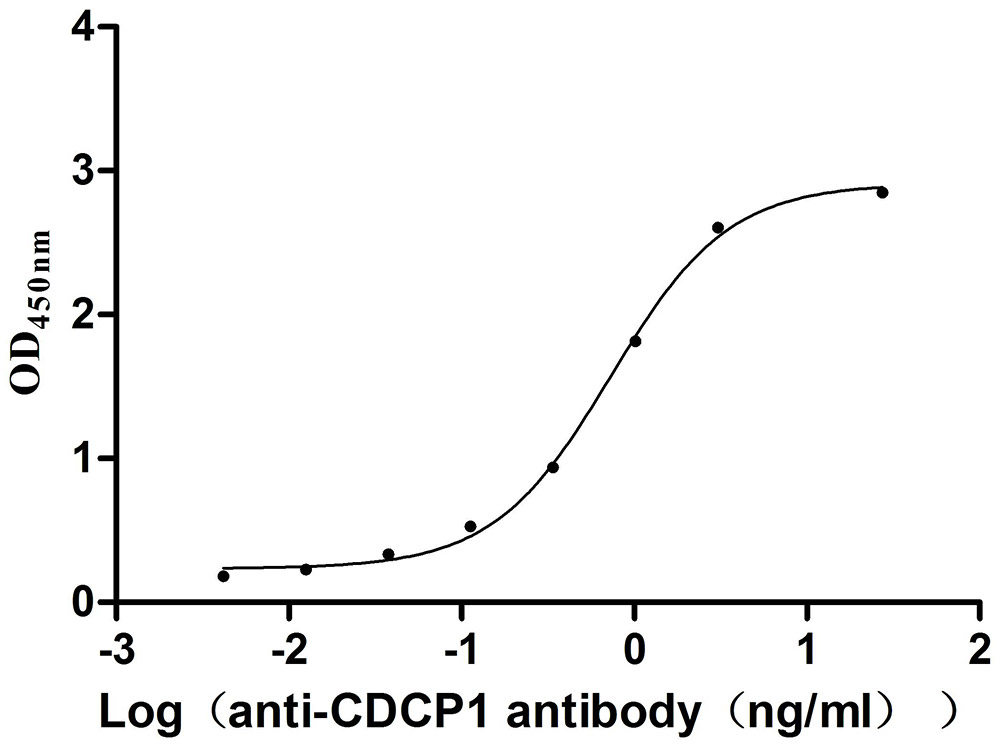
Recombinant Mouse CUB domain-containing protein 1 (Cdcp1), partial (Active)
Express system: Mammalian cell
Species: Mus musculus (Mouse)
-
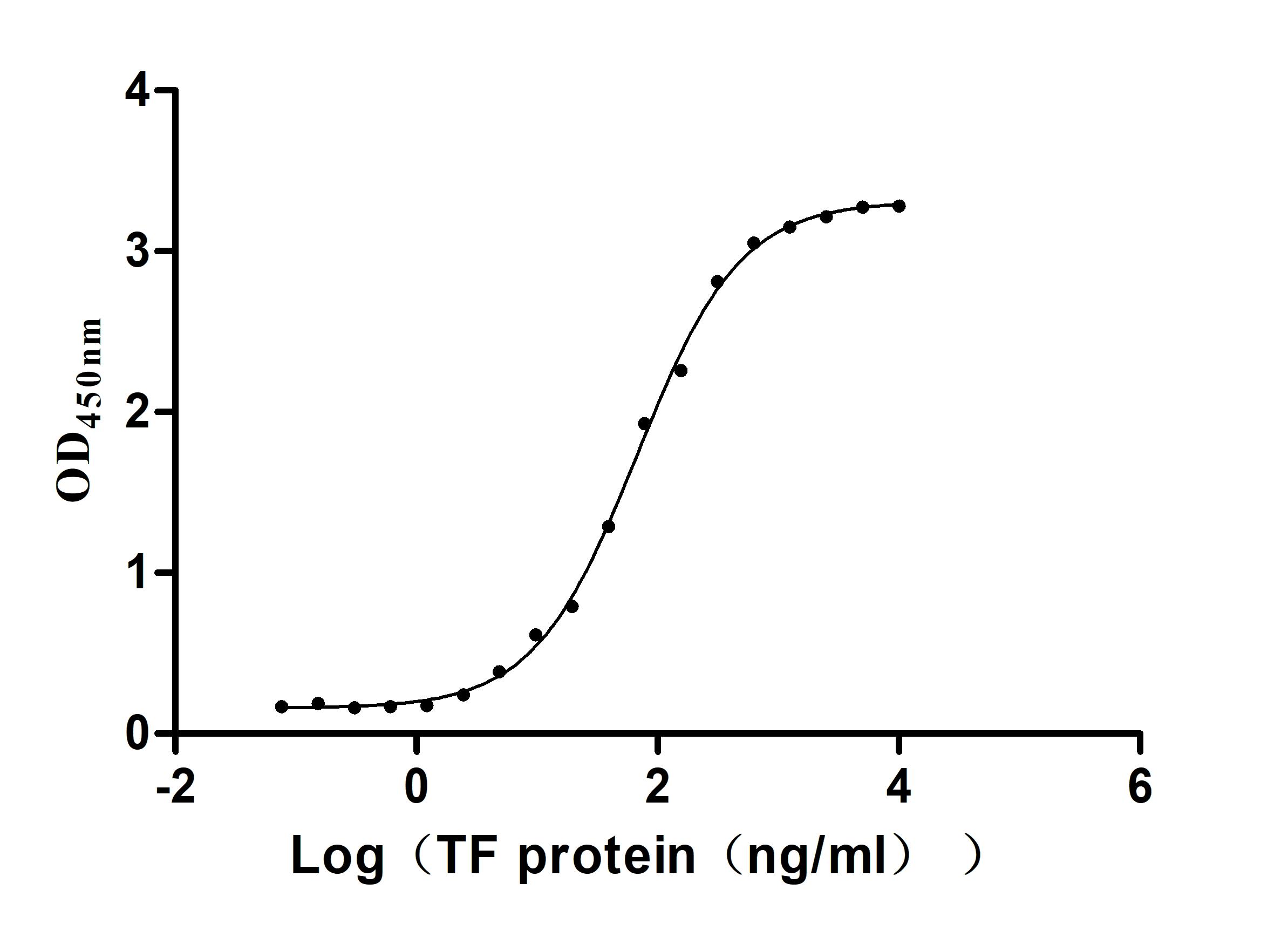
Recombinant Human Serotransferrin(TF) (Active)
Express system: Mammalian cell
Species: Homo sapiens (Human)
-
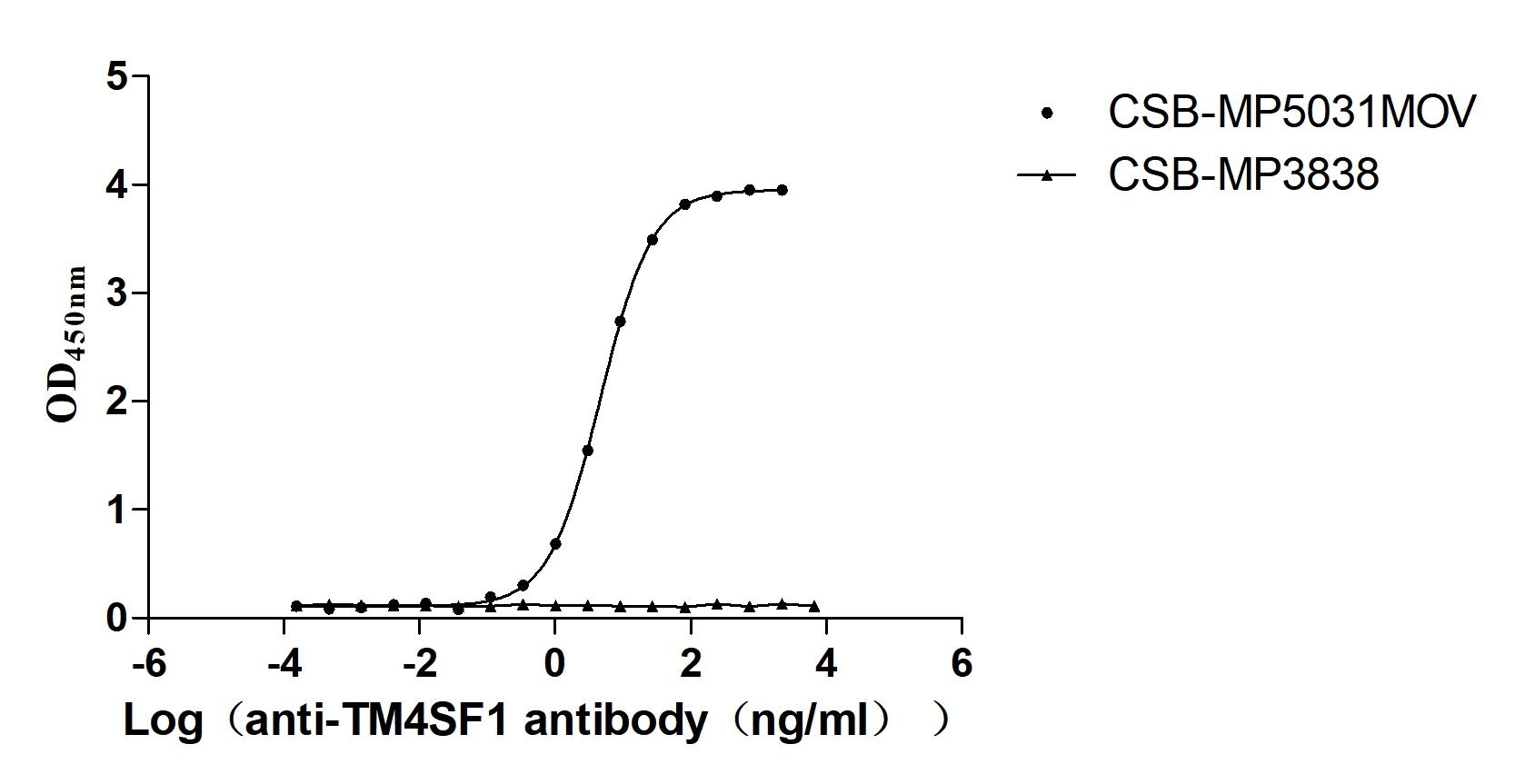
Recombinant Macaca fascicularis Transmembrane 4 L6 family member 1 (TM4SF1)-VLPs (Active)
Express system: Mammalian cell
Species: Macaca fascicularis (Crab-eating macaque) (Cynomolgus monkey)
-
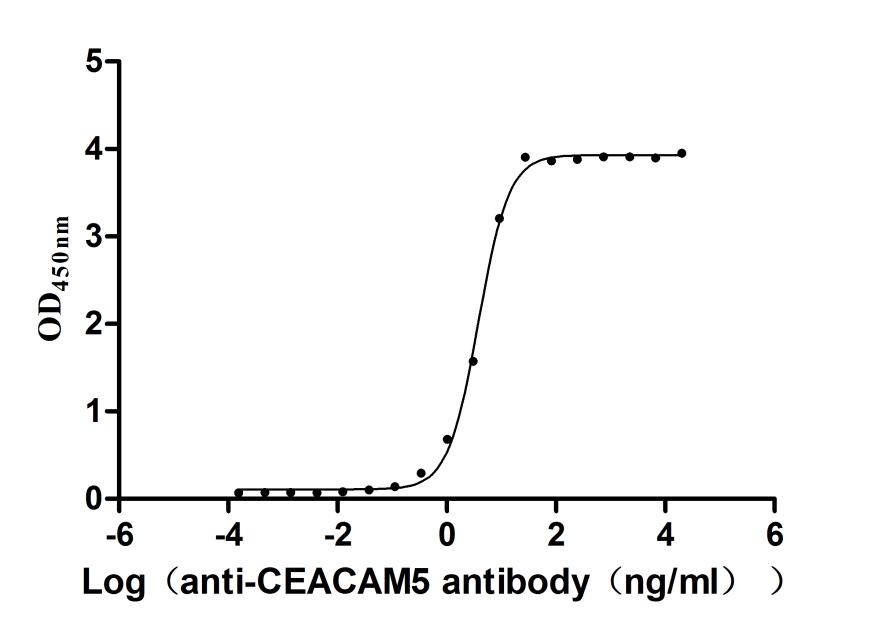
Express system: Mammalian cell
Species: Macaca mulatta (Rhesus macaque)
-
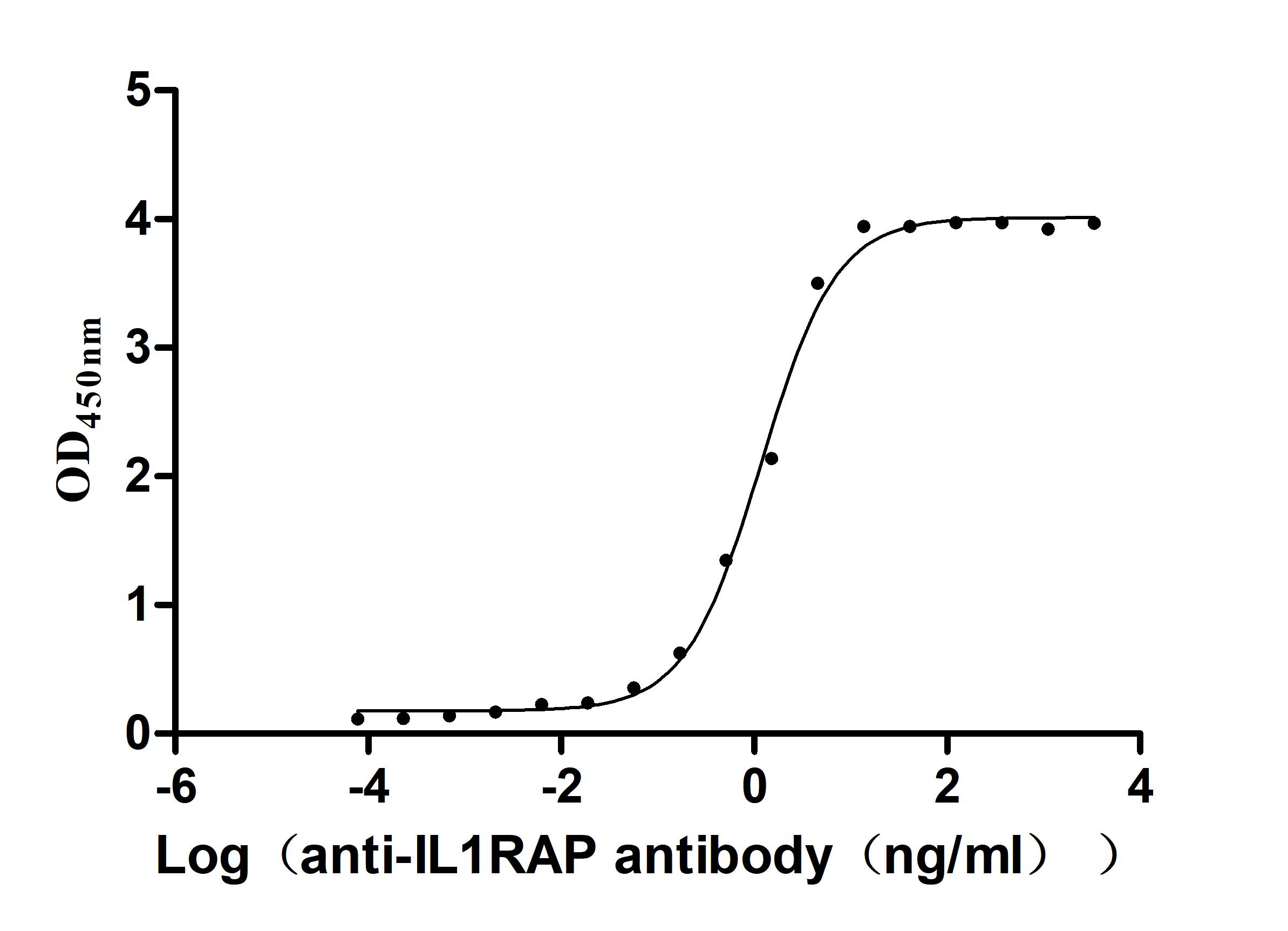
Recombinant Human Interleukin-1 receptor accessory protein (IL1RAP), partial (Active)
Express system: Mammalian cell
Species: Homo sapiens (Human)
-
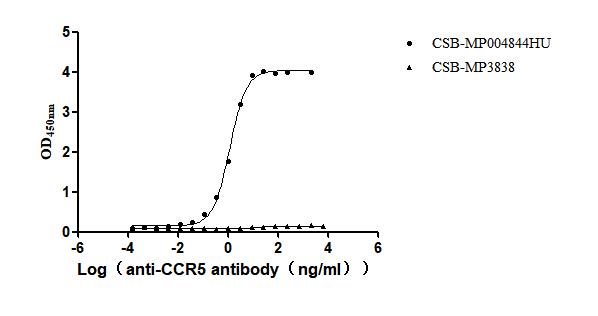
Recombinant Human C-C chemokine receptor type 5 (CCR5)-VLPs (Active)
Express system: Mammalian cell
Species: Homo sapiens (Human)