Recombinant Human Cathepsin K (CTSK)
-
中文名稱:Recombinant Human Cathepsin K(CTSK)
-
貨號(hào):CSB-BP006192HU
-
規(guī)格:
-
來源:Baculovirus
-
其他:
-
中文名稱:Recombinant Human Cathepsin K(CTSK)
-
貨號(hào):CSB-EP006192HU-B
-
規(guī)格:
-
來源:E.coli
-
共軛:Avi-tag Biotinylated
E. coli biotin ligase (BirA) is highly specific in covalently attaching biotin to the 15 amino acid AviTag peptide. This recombinant protein was biotinylated in vivo by AviTag-BirA technology, which method is BriA catalyzes amide linkage between the biotin and the specific lysine of the AviTag.
-
其他:
-
中文名稱:Recombinant Human Cathepsin K(CTSK)
-
貨號(hào):CSB-MP006192HU
-
規(guī)格:
-
來源:Mammalian cell
-
其他:
產(chǎn)品詳情
-
純度:Greater than 85% as determined by SDS-PAGE.
-
基因名:CTSK CTSO, CTSO2
-
Uniprot No.:
-
別名:Cathepsin K; Cathepsin O; Cathepsin O1; Cathepsin O2; Cathepsin X; CATK_HUMAN; CTS02; Ctsk; CTSO; CTSO1; CTSO2; MGC23107; PKND; PYCD
-
種屬:Homo sapiens (Human)
-
蛋白長度:Full Length of Mature Protein
-
表達(dá)區(qū)域:115-329aa
-
氨基酸序列APDSVDYRKKGYVTPVKNQGQCGSCWAFSSVGALEGQLKKKTGKLLNLSPQNLVDCVSENDGCGGGYMTNAFQYVQKNRGIDSEDAYPYVGQEESCMYNPTGKAAKCRGYREIPEGNEKALKRAVARVGPVSVAIDASLTSFQFYSKGVYYDESCNSDNLNHAVLAVGYGIQKGNKHWIIKNSWGENWGNKGYILMARNKNNACGIANLASFPKM
-
蛋白標(biāo)簽:Tag?type?will?be?determined?during?the?manufacturing?process.
The tag type will be determined during production process. If you have specified tag type, please tell us and we will develop the specified tag preferentially. -
產(chǎn)品提供形式:Lyophilized powder
Note: We will preferentially ship the format that we have in stock, however, if you have any special requirement for the format, please remark your requirement when placing the order, we will prepare according to your demand. -
復(fù)溶:We recommend that this vial be briefly centrifuged prior to opening to bring the contents to the bottom. Please reconstitute protein in deionized sterile water to a concentration of 0.1-1.0 mg/mL.We recommend to add 5-50% of glycerol (final concentration) and aliquot for long-term storage at -20℃/-80℃. Our default final concentration of glycerol is 50%. Customers could use it as reference.
-
儲(chǔ)存條件:Store at -20°C/-80°C upon receipt, aliquoting is necessary for mutiple use. Avoid repeated freeze-thaw cycles.
-
保質(zhì)期:The shelf life is related to many factors, storage state, buffer ingredients, storage temperature and the stability of the protein itself.
Generally, the shelf life of liquid form is 6 months at -20°C/-80°C. The shelf life of lyophilized form is 12 months at -20°C/-80°C. -
貨期:Delivery time may differ from different purchasing way or location, please kindly consult your local distributors for specific delivery time.Note: All of our proteins are default shipped with normal blue ice packs, if you request to ship with dry ice, please communicate with us in advance and extra fees will be charged.
-
注意事項(xiàng):Repeated freezing and thawing is not recommended. Store working aliquots at 4°C for up to one week.
-
Datasheet :Please contact us to get it.
產(chǎn)品評(píng)價(jià)

相關(guān)產(chǎn)品
靶點(diǎn)詳情
-
功能:Thiol protease involved in osteoclastic bone resorption and may participate partially in the disorder of bone remodeling. Displays potent endoprotease activity against fibrinogen at acid pH. May play an important role in extracellular matrix degradation. Involved in the release of thyroid hormone thyroxine (T4) by limited proteolysis of TG/thyroglobulin in the thyroid follicle lumen.
-
基因功能參考文獻(xiàn):
- Sclerostin is degraded by cathepsin K in vitro. Cathepsin K degradation of sclerostin is affected by hypoxia. PMID: 29859187
- Upregulation of CTSK seems to be associated with high incidence of lymphatic spread and poor survival in OSCC. CTSK could therefore serve as a predictive biomarker for OSCC. PMID: 29618339
- our data showed that elevated Cathepsin K in epithelial ovarian cancer can potentiate the metastasis of epithelial ovarian cancer cells PMID: 29303207
- results highlight the possibility that the interaction between GAGs and collagen under acidic conditions has a regulatory impact on cathepsin K-mediated bone degradation. PMID: 29029096
- measurement of a periostin fragment resulting from in vivo cathepsin K digestion may help to identify subjects at high risk of fracture. PMID: 28766739
- cathepsin K in the development of chronic subdural hematoma PMID: 28887075
- Cathepsin K expression within the subchondral bone of the medial tibia plateau was not associated with osteoclast density or symptomatic knee osteoarthritis. PMID: 28087412
- The enhanced invasion of carcinomas resulting from cathepsin K overexpression is probably due to the increased cell migration and adhesion. Thus, cathepsin K is implicated not only in protein degradation but also in invasion, migration and adhesion of oral squamous cell carcinomas. PMID: 28117540
- positive expression of cathepsin K in melanoma of the skin is associated with other unfavorable prognostic factors PMID: 27709599
- Patients affected by castration-resistant prostate carcinoma may be tested for cathepsin K, and a positive strong expression (2+) could be a useful predictive biomarker of response to targeted agents, aiding in the selection of patients eligible for these treatments. PMID: 28085175
- Of 160 top compounds tested in enzymatic assays, 28 compounds showed blocking of the collagenase activity of Cathepsin K (CatK) at 100 muM. PMID: 29088253
- Cathepsin K cleavage of SDF-1alpha inhibits its chemotactic activity towards glioblastoma stem-like cells. PMID: 28040478
- Increased cathepsin K expression in skull base chordoma was associated with tumor invasion and reduced progression free survival. PMID: 28216213
- Immunohistochemistry confirmed cathepsin K protein was expressed in lymphangioleiomyomatosis but not control lungs. Cathepsin K gene expression and protein and protease activity were detected in lymphangioleiomyomatosis -associated fibroblasts but not the LAM cell line 621-101. PMID: 28623674
- The allosteric site of cathepsin K has been modified by site-directed mutagenesis, and it was shown that it is involved in specific regulation of the collagenolytic activity of cathepsin K. PMID: 27859061
- Cathepsin K and osteocalcin plasma levels may be suggested as the significant markers of osteopoenia/osteoporosis. In addition, cathepsin K plasma level can be also a valuable marker of severe Coronary Atherosclerosis and Coronary Artery Calcification . PMID: 26988144
- Six mutations in CTSK were identified in 33 families with pycnodysostosis. The high frequency of pycnodysostosis in Ceara State is the consequence of the high inbreeding in that region. PMID: 27558267
- The above studies not only demonstrated that CTSK was widely expressed in tooth-related cells (including odonto- clasts, periodontal ligament cells, pulp cells and odonto- blasts), but also indicated that CTSK was closely related to the development of tissues in oral and maxillofacial region as well as occurrence and development of many oral diseases. PMID: 26458004
- This mutation (c.480_481insT), (p.L160fsX173) is a novel frameshift mutation. The index case extends the phenotypic spectrum and the list of previously reported mutations in the CTSK gene. PMID: 25304337
- There is an increase in levels of CATK in type 1 Gaucher patients compared to the control group. In the patient group, CATK showed higher levels in patients with bone damage compared to those without it. PMID: 25662720
- increased expression and activation in osteoarthritis cartilage PMID: 26241216
- elevated levels of CatK are closely associated with the presence of chronic heart failure and that the measurement of circulating CatK provides a noninvasive method of documenting and monitoring the extent of chronic heart failure PMID: 26302400
- Cathepsins in Rotator Cuff Tendinopathy: Identification in Human Chronic Tears and Temporal Induction in a Rat Model. PMID: 25558848
- The study determined almost identical substrate specificities for cysteine cathepsins K, L and S. PMID: 25626674
- Matrix-metalloproteinase-9 is cleaved and activated by cathepsin K. PMID: 26219353
- Sequence analysis of the patient's CTSK gene revealed homozygosity for a missense mutation (c.746T>C) in exon 6, which leads to amino change (p.Ile249Thr) in the mature CTSK protein PMID: 25725806
- The presence of high levels of inactive proforms of cathepsin K in GBM tissues and cells indicate that in GBM the proteolytic/collagenolytic role is not its primary function but it plays rather a different yet unknown role. PMID: 25356585
- Two compounds have sizable effects on enzyme activity using interstitial collagen as a natural substrate of cathepsin K and four compounds show a significantly stabilizing effect on cathepsin K. PMID: 25184245
- Studies indicate cathepsin X as a target for improving diagnosis and treating cancer patients. PMID: 24835450
- SDF-1alpha is involved in homing of CXCR4+ GSLCs and leukocytes and that cathepsin K and osteopontin are involved in the migration of GSLCs out of the niches PMID: 25809793
- one cathepsin K molecule binds to collagen-bound glycosaminoglycans at the gap region and recruits a second protease molecule that provides an unfolding and cleavage mechanism for triple helical collagen PMID: 25422423
- The identification of CatK exosites opens up the prospect of designing highly potent inhibitors that selectively inhibit the degradation of therapeutically relevant substrates by this multifunctional protease. PMID: 25279554
- The data indicated that elevated levels of cathepsin K are closely associated with the presence of CAD and that circulating cathepsin K serves a useful biomarker for CAD. PMID: 24954318
- synergism between HIV proteins and pro-atherogenic shear stress to increase endothelial cell expression of the powerful protease cathepsin K PMID: 24719048
- Cathepsin K appears to be consistently and strongly expressed in melanocytic lesions and valuable in distinguishing malignant melanomas from the majority of human cancers. PMID: 24696729
- results demonstrate that CS plays an important role in contributing to the enhanced efficiency of CatK collagenase activity in vivo PMID: 24958728
- identified five CTSK missense mutations (M1I, I249T, L7P, D80Y and D169N), one nonsense mutation (R312X) and one 301 bp insertion in intron 7, which is revealed as Alu sequence; among them, only L7P and I249 were described previously PMID: 24767306
- Expression of cathepsins K, S and V within keratinocytes is reduced in photoprotected skin of aged women. PMID: 23871919
- The use of exome sequencing in the molecular diagnosis of 2 siblings initially thought to be affected by "intermediate osteopetrosis", which identified a homozygous mutation in the CTSK gene, is described. PMID: 24269275
- Data indicate that cathepsin K is expressed in oral tongue squamous cell carcinoma (OTSCC) tissue in both carcinoma and tumor microenvironment (TME) cells. PMID: 23951042
- Increased plasma CatK levels are linked with the presence of atrial fibrillation. PMID: 24342995
- Skipping of the 121-bp exon 2 results in elimination of the normal start codon and an expected absence of the wild-type CTSK protein. PMID: 24134756
- catalase expression (or activity) was higher, while intracellular and extracellular Cat S, Cat L, and Cat K activities were lower in the non-invasive CL1-0 cells compared to the highly invasive CL1-5 cells. PMID: 24583396
- Identification of a novel insertional frameshift mutation in exon 4 of the CTSK gene in two families with pycnodysostosis. PMID: 23689398
- The basic amino acid clusters in cathepsin K play roles in the formation of collagenolytically active protease complexes. PMID: 24088021
- These data indicated that high levels of CatK are closely linked with the presence of coronary artery disease. PMID: 23369704
- Our results demonstrate that increased adhesion, migration and invasiveness of tumor cells depend on the inactivation of the tumor suppressive function of profilin 1 by cathepsin X. PMID: 23326535
- Cardiac mammalian target of rapamycin and extracellular signal-regulated kinases (ERK) signaling cascades were upregulated by pressure overload, the effects of which were attenuated by cathepsin K knockout. PMID: 23529168
- Cathepsin X deficiency leads to a reduced phosphorylation of the IGF-I receptor in response to IGF-I stimulation. PMID: 23152410
- show for the first time that bone marrow macrophage-supplied CTSK may be involved in CCL2- and COX-2-driven pathways that contribute to tumor progression in bone PMID: 22614014
顯示更多
收起更多
-
相關(guān)疾病:Pycnodysostosis (PKND)
-
亞細(xì)胞定位:Lysosome. Secreted. Apical cell membrane; Peripheral membrane protein; Extracellular side.
-
蛋白家族:Peptidase C1 family
-
組織特異性:Predominantly expressed in osteoclasts (bones). Expressed in thyroid epithelial cells.
-
數(shù)據(jù)庫鏈接:
Most popular with customers
-
-AC1.jpg)
Recombinant Human Angiopoietin-2 (ANGPT2) (Active)
Express system: Mammalian cell
Species: Homo sapiens (Human)
-
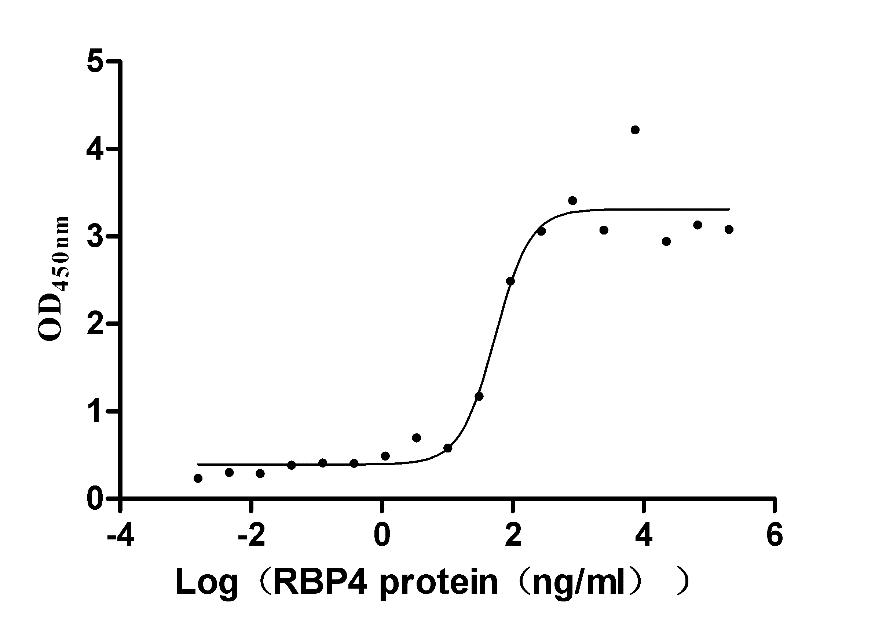
Recombinant Mouse Retinol-binding protein 4 (Rbp4) (Active)
Express system: Mammalian cell
Species: Mus musculus (Mouse)
-
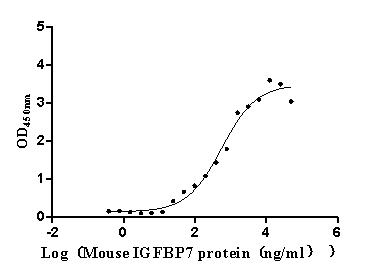
Recombinant Mouse Complement component C1q receptor (Cd93), partial (Active)
Express system: Mammalian cell
Species: Mus musculus (Mouse)
-
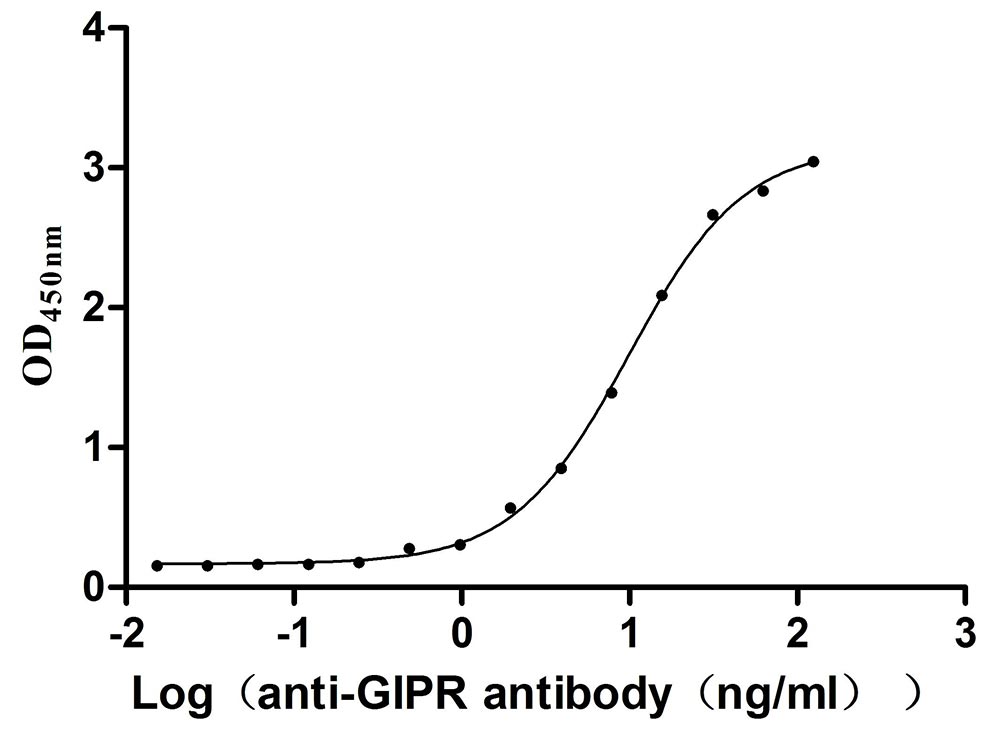
Recombinant Mouse Gastric inhibitory polypeptide receptor (Gipr), partial (Active)
Express system: Mammalian cell
Species: Mus musculus (Mouse)
-
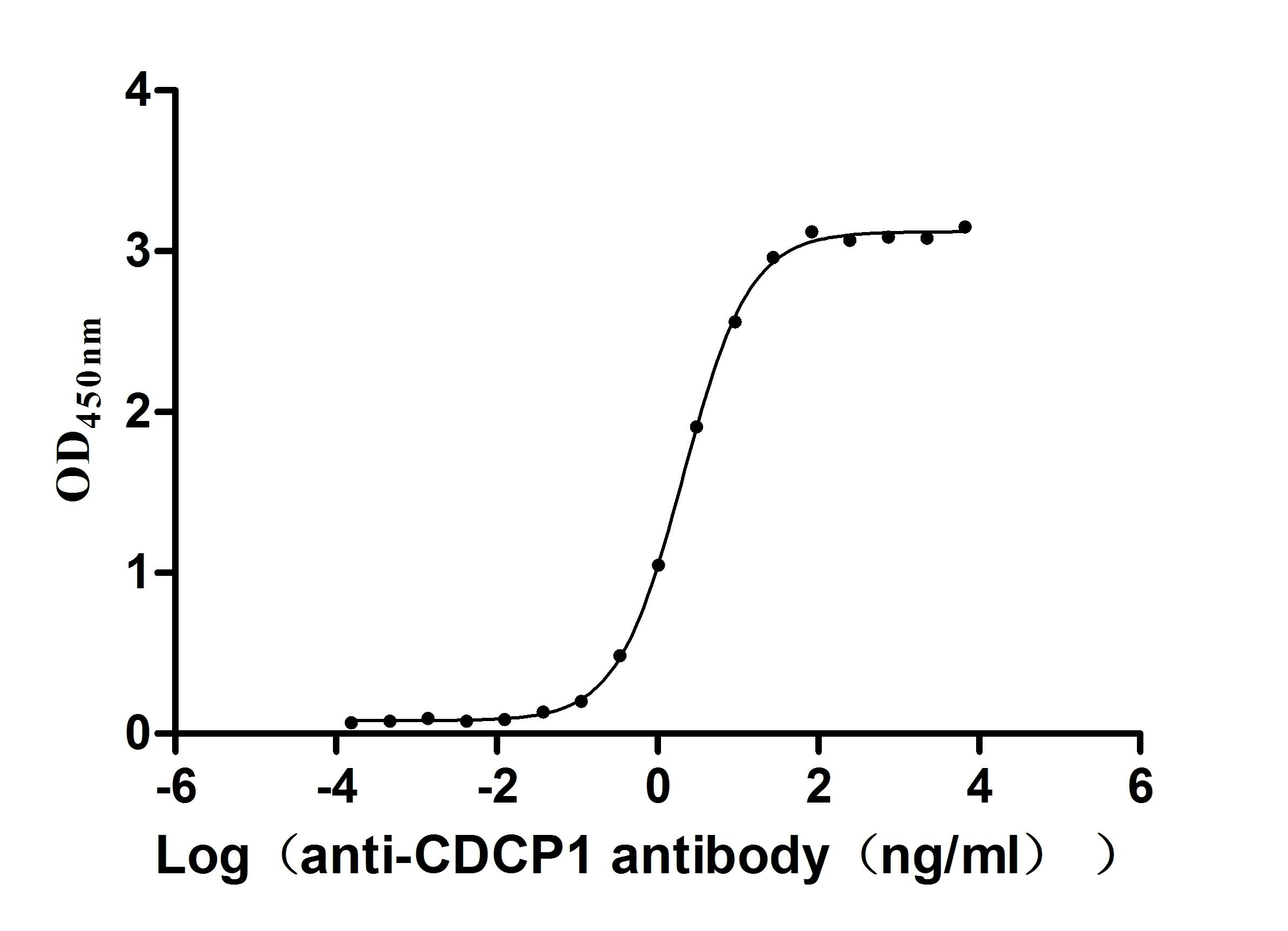
Recombinant Macaca fascicularis CUB domain containing protein 1 (CDCP1), partial (Active)
Express system: Mammalian cell
Species: Macaca fascicularis (Crab-eating macaque) (Cynomolgus monkey)
-
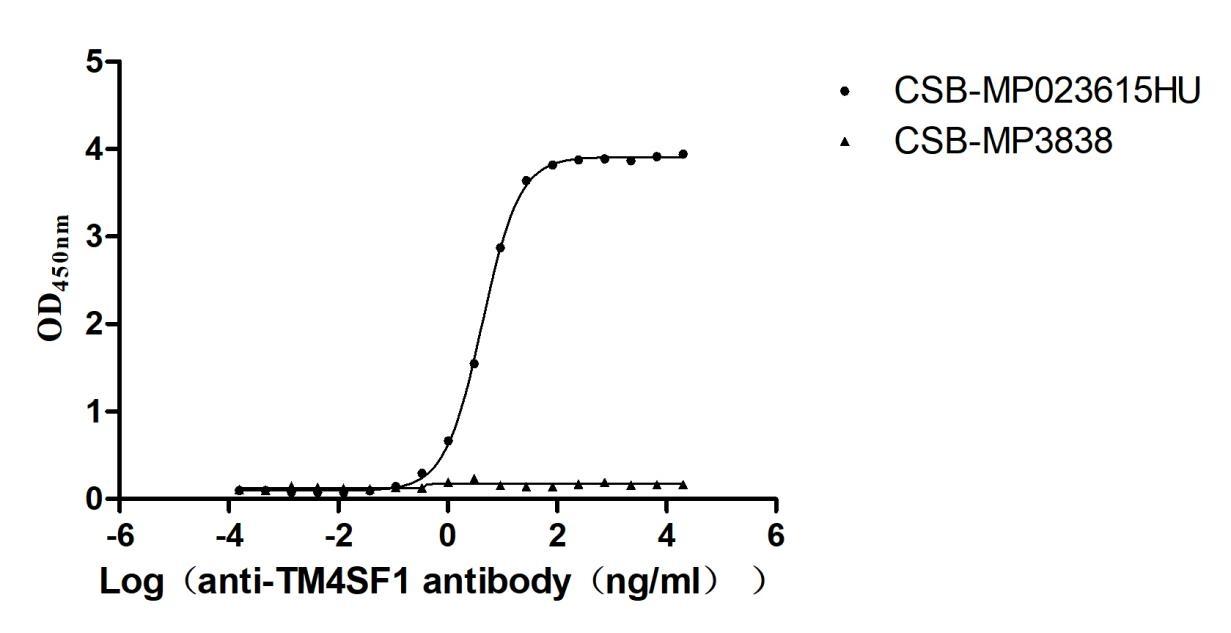
Recombinant Human Transmembrane 4 L6 family member 1(TM4SF1)-VLPs (Active)
Express system: Mammalian cell
Species: Homo sapiens (Human)