Recombinant Hepatitis B virus genotype C subtype ayw Capsid protein (C)
In Stock-
中文名稱:Recombinant Hepatitis B virus genotype C subtype ayw Capsid protein(C)
-
品名簡稱:Recombinant Hepatitis B virus genotype C subtype ayw C,HBcAg protein
-
貨號:CSB-YP314449HEI
-
說明書:
-
規格:¥2616
-
圖片:
-
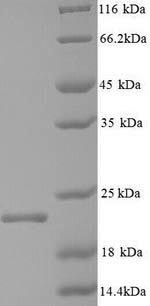 (Tris-Glycine gel) Discontinuous SDS-PAGE (reduced) with 5% enrichment gel and 15% separation gel.
-
-
其他:
產品詳情
-
純度:Greater than 90% as determined by SDS-PAGE.
-
基因名:C
-
Uniprot No.:
-
別名:CCapsid protein; Core antigen; Core protein; HBcAg; p21.5
-
種屬:Hepatitis B virus genotype C subtype ayw (isolate China/Tibet127/2002) (HBV-C)
-
蛋白長度:Full Length
-
來源:Yeast
-
分子量:23.0kDa
-
表達區域:1-183aa
-
氨基酸序列MDIDPYKEFGASVEVLSFLPSDFFPSNRDLLDTASALDREALESPEHCSPHHTALRQAILCWGELMNLATWVGSNLEDPASRELVVSYVNVNMGLKIRQLLWFHISCLTFGRETVLEYLVSFGVWIRTPPAYRPPNAPILSTLPETTVVRRRGRSPRRRTPSPRRRRSQSPRRRRSQSRESQC
Note: The complete sequence may include tag sequence, target protein sequence, linker sequence and extra sequence that is translated with the protein sequence for the purpose(s) of secretion, stability, solubility, etc.
If the exact amino acid sequence of this recombinant protein is critical to your application, please explicitly request the full and complete sequence of this protein before ordering. -
蛋白標簽:N-terminal 6xHis-tagged
-
產品提供形式:Liquid or Lyophilized powder
Note: We will preferentially ship the format that we have in stock, however, if you have any special requirement for the format, please remark your requirement when placing the order, we will prepare according to your demand. -
緩沖液:If the delivery form is liquid, the default storage buffer is Tris/PBS-based buffer, 5%-50% glycerol.
Note: If you have any special requirement for the glycerol content, please remark when you place the order.
If the delivery form is lyophilized powder, the buffer before lyophilization is Tris/PBS-based buffer, 6% Trehalose. -
儲存條件:Store at -20°C/-80°C upon receipt, aliquoting is necessary for mutiple use. Avoid repeated freeze-thaw cycles.
-
保質期:The shelf life is related to many factors, storage state, buffer ingredients, storage temperature and the stability of the protein itself.
Generally, the shelf life of liquid form is 6 months at -20°C/-80°C. The shelf life of lyophilized form is 12 months at -20°C/-80°C. -
貨期:3-7 business days
-
注意事項:Repeated freezing and thawing is not recommended. Store working aliquots at 4°C for up to one week.
-
產品描述:
CUSABIO transfected the expression vector which inserted the recombinant DNA into the yeast, cultured the cells, and then induced the transcription and translation of the cloned vector. The N-terminal 6xHis tag sequence was appended to the gene coding for the yeast of the HBV-C Capsid protein (C) protein to form the recombinant DNA. The recombinant HBV-C Capsid protein (C) was expressed as N-terminal 6xHis-tagged fusion. The purity of the protein is greater than 90% assayed by SDS-PAGE. It has an apparent molecular weight of approximately 22 kDa.
Hepatitis B virus is an important human pathogen. HBV encodes a 21 kDa core protein, which is required for reverse transcription. This core protein can assemble into stable icosahedral particles, when the electrostatic interactions between positively and negatively charged macromolecules at the inner surface of the capsid shell are adequately balanced. It remains unclear what determines the subcellular localization of hepatitis B virus (HBV) core protein (HBc) and particles. Chronic infection with hepatitis B virus HBV could lead to cirrhosis and highly malignant liver cancer. At present, treatment of hepatitis B is not very effective, due to notorious side effects and drug resistance. The virus can synthesize a core protein for its own replication. Clinically, this core protein tends to be more localized to the cytoplasm when patients' disease is severe, and more localized to the nucleus when the disease is mild.
-
Datasheet & COA:Please contact us to get it.
產品評價

相關產品
靶點詳情
-
功能:Self assembles to form an icosahedral capsid. Most capsids appear to be large particles with an icosahedral symmetry of T=4 and consist of 240 copies of capsid protein, though a fraction forms smaller T=3 particles consisting of 180 capsid proteins. Entering capsids are transported along microtubules to the nucleus. Phosphorylation of the capsid is thought to induce exposure of nuclear localization signal in the C-terminal portion of the capsid protein that allows binding to the nuclear pore complex via the importin (karyopherin-) alpha and beta. Capsids are imported in intact form through the nuclear pore into the nuclear basket, where it probably binds NUP153. Only capsids that contain the mature viral genome can release the viral DNA and capsid protein into the nucleoplasm. Immature capsids get stuck in the basket. Capsids encapsulate the pre-genomic RNA and the P protein. Pre-genomic RNA is reverse-transcribed into DNA while the capsid is still in the cytoplasm. The capsid can then either be directed to the nucleus, providing more genomes for transcription, or bud through the endoplasmic reticulum to provide new virions.
-
亞細胞定位:Virion. Host cytoplasm.
-
蛋白家族:Orthohepadnavirus core antigen family
Most popular with customers
-
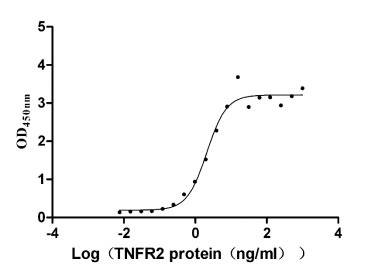
Recombinant Human Lymphotoxin-alpha (LTA) (Active)
Express system: Mammalian cell
Species: Homo sapiens (Human)
-

Recombinant Human Intestinal-type alkaline phosphatase (ALPI) (Active)
Express system: Mammalian cell
Species: Homo sapiens (Human)
-
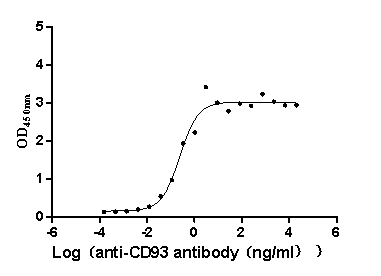
Recombinant Macaca fascicularis CD93 molecule (CD93), partial (Active)
Express system: Mammalian cell
Species: Macaca fascicularis (Crab-eating macaque) (Cynomolgus monkey)
-
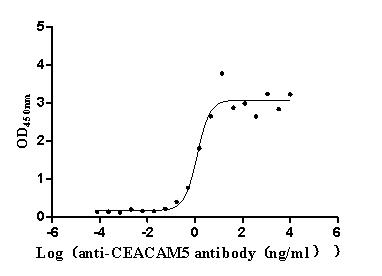
Express system: Mammalian cell
Species: Homo sapiens (Human)
-
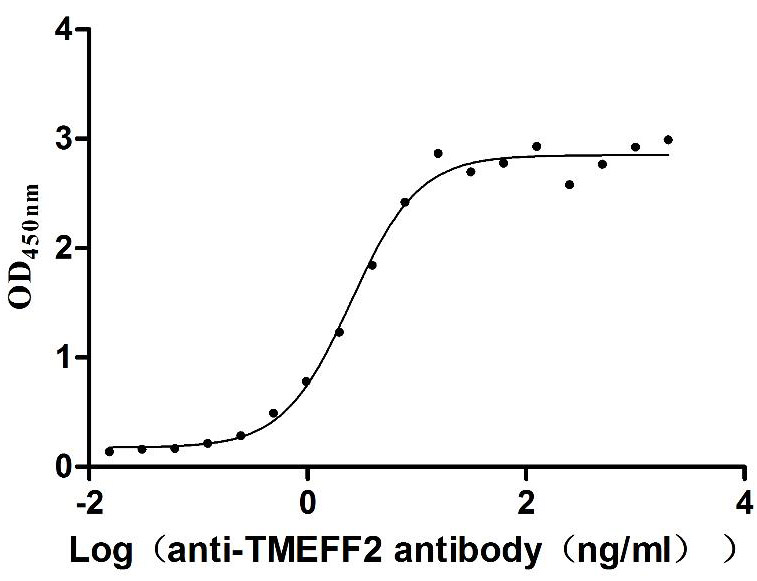
Recombinant Human Tomoregulin-2 (TMEFF2), partial (Active)
Express system: Mammalian cell
Species: Homo sapiens (Human)
-
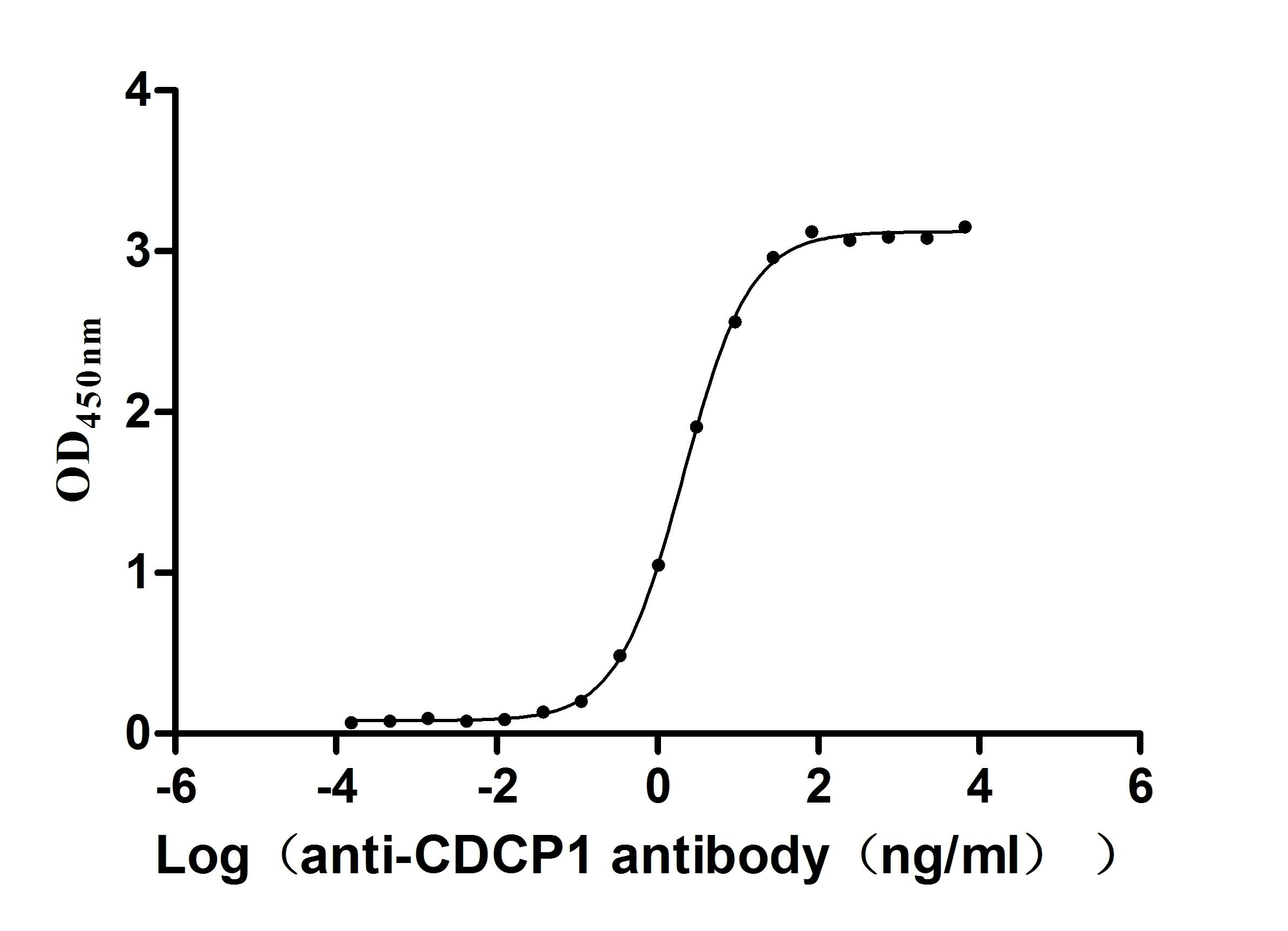
Recombinant Macaca fascicularis CUB domain containing protein 1 (CDCP1), partial (Active)
Express system: Mammalian cell
Species: Macaca fascicularis (Crab-eating macaque) (Cynomolgus monkey)
-
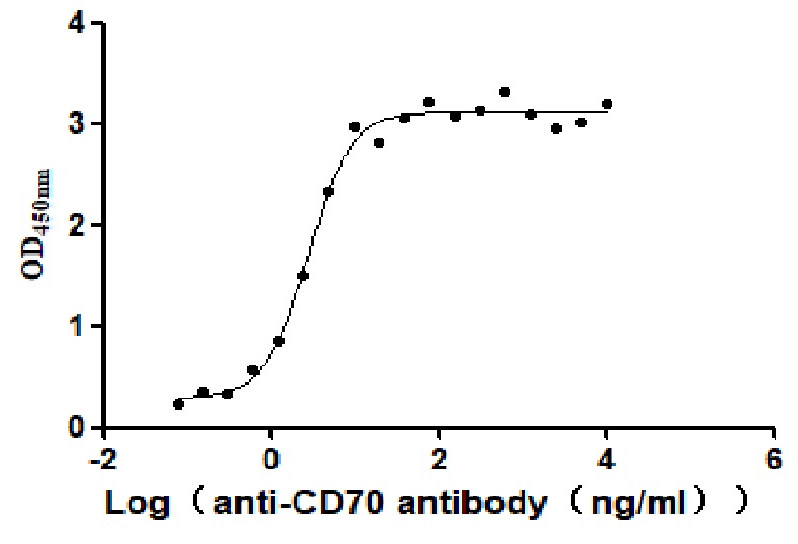
Recombinant Human CD70 antigen (CD70), partial (Active)
Express system: Mammalian cell
Species: Homo sapiens (Human)