Recombinant Bovine Interleukin-10 (IL10)
-
中文名稱:牛IL10重組蛋白
-
品名簡稱:Recombinant Bovine IL10 protein
-
貨號:CSB-YP011580BO
-
說明書:
-
規格:¥2616
-
圖片:
-
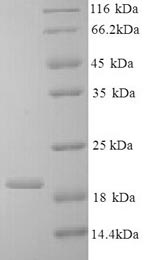 (Tris-Glycine gel) Discontinuous SDS-PAGE (reduced) with 5% enrichment gel and 15% separation gel.
-
-
其他:
產品詳情
-
純度:Greater than 90% as determined by SDS-PAGE.
-
基因名:
-
Uniprot No.:
-
別名:IL10Interleukin-10; IL-10; Cytokine synthesis inhibitory factor; CSIF
-
種屬:Bos taurus (Bovine)
-
蛋白長度:Full Length of Mature Protein
-
來源:Yeast
-
分子量:20.6kDa
-
表達區域:19-178aa
-
氨基酸序列SRDASTLSDSSCIHLPTSLPHMLRELRAAFGKVKTFFQMKDQLHSLLLTQSLLDDFKGYLGCQALSEMIQFYLEEVMPQAENHGPDIKEHVNSLGEKLKTLRLRLRRCHRFLPCENKSKAVEKVKRVFSELQERGVYKAMSEFDIFINYIETYMTTKMQK
Note: The complete sequence may include tag sequence, target protein sequence, linker sequence and extra sequence that is translated with the protein sequence for the purpose(s) of secretion, stability, solubility, etc.
If the exact amino acid sequence of this recombinant protein is critical to your application, please explicitly request the full and complete sequence of this protein before ordering. -
蛋白標簽:N-terminal 6xHis-tagged
-
產品提供形式:Liquid or Lyophilized powder
Note: We will preferentially ship the format that we have in stock, however, if you have any special requirement for the format, please remark your requirement when placing the order, we will prepare according to your demand. -
緩沖液:If the delivery form is liquid, the default storage buffer is Tris/PBS-based buffer, 5%-50% glycerol.
Note: If you have any special requirement for the glycerol content, please remark when you place the order.
If the delivery form is lyophilized powder, the buffer before lyophilization is Tris/PBS-based buffer, 6% Trehalose. -
儲存條件:Store at -20°C/-80°C upon receipt, aliquoting is necessary for mutiple use. Avoid repeated freeze-thaw cycles.
-
保質期:The shelf life is related to many factors, storage state, buffer ingredients, storage temperature and the stability of the protein itself.
Generally, the shelf life of liquid form is 6 months at -20°C/-80°C. The shelf life of lyophilized form is 12 months at -20°C/-80°C. -
貨期:Basically, we can dispatch the products out in 1-3 working days after receiving your orders. Delivery time may differ from different purchasing way or location, please kindly consult your local distributors for specific delivery time.Note: All of our proteins are default shipped with normal blue ice packs, if you request to ship with dry ice, please communicate with us in advance and extra fees will be charged.
-
注意事項:Repeated freezing and thawing is not recommended. Store working aliquots at 4°C for up to one week.
-
Datasheet & COA:Please contact us to get it.
產品評價

相關產品
靶點詳情
-
功能:Major immune regulatory cytokine that acts on many cells of the immune system where it has profound anti-inflammatory functions, limiting excessive tissue disruption caused by inflammation. Mechanistically, IL10 binds to its heterotetrameric receptor comprising IL10RA and IL10RB leading to JAK1 and STAT2-mediated phosphorylation of STAT3. In turn, STAT3 translocates to the nucleus where it drives expression of anti-inflammatory mediators. Targets antigen-presenting cells (APCs) such as macrophages and monocytes and inhibits their release of pro-inflammatory cytokines including granulocyte-macrophage colony-stimulating factor /GM-CSF, granulocyte colony-stimulating factor/G-CSF, IL-1 alpha, IL-1 beta, IL-6, IL-8 and TNF-alpha. Interferes also with antigen presentation by reducing the expression of MHC-class II and co-stimulatory molecules, thereby inhibiting their ability to induce T cell activation. In addition, controls the inflammatory response of macrophages by reprogramming essential metabolic pathways including mTOR signaling.
-
基因功能參考文獻:
- Studied expression of Interleukin 10 (IL-10) in blood and milk samples of 25 healthy and 25 mastitic cows. Found IL-10 expression to be significantly higher in the blood and milk samples of mastitic cows compared to the healthy ones. PMID: 28267404
- This study seems to indicate that PGE2 in cattle does not produce an anti-inflammatory effect by increasing the synthesis of IL-10. PMID: 25286662
- IL-10 mRNA expression increased on day 8 in the mononuclear leukocytes of pregnant cows. In a cell culture experiment, interferon-tau stimulated stimulated IL-10 mRNA expression in mononuclear leukocytes. PMID: 22052007
- Bovine IL-10 potently inhibits the activation of human myeloid cells in response to toll like receptor activation. PMID: 21464967
- Levels in milk are altered in the presence of bacteria. PMID: 15372997
- Monocytes obtained from cows with subclinical infection with MAP had upregulated expression of IL-10 and SOCS-3, which may have attenuated the capacity of mononuclear phagocytes to initiate inflammatory and adaptive immune responses. PMID: 16111147
顯示更多
收起更多
-
亞細胞定位:Secreted.
-
蛋白家族:IL-10 family
-
數據庫鏈接:
Most popular with customers
-
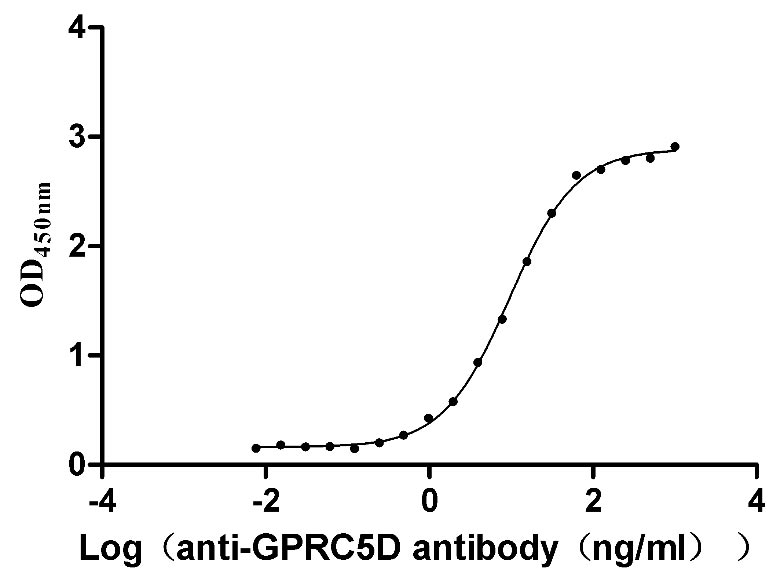
Recombinant Human G-protein coupled receptor family C group 5 member D (GPRC5D)-VLPs (Active)
Express system: Mammalian cell
Species: Homo sapiens (Human)
-
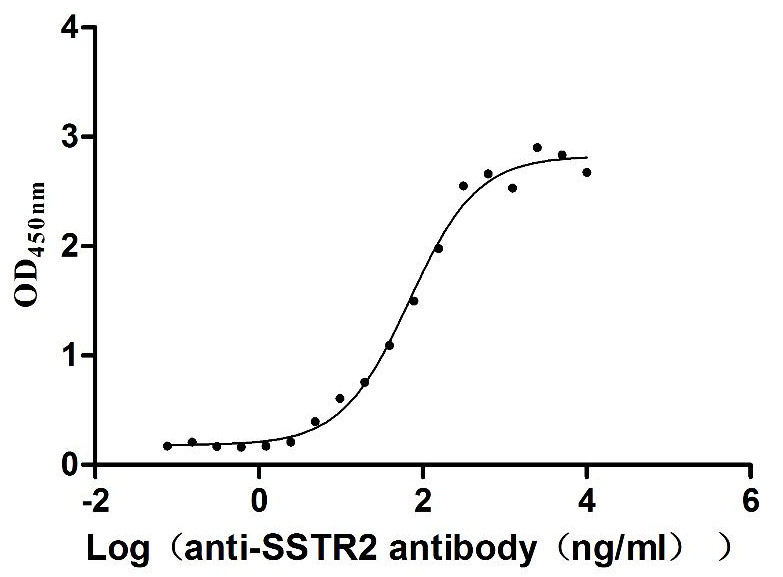
Recombinant Human Somatostatin receptor type 2 (SSTR2)-VLPs (Active)
Express system: Mammalian cell
Species: Homo sapiens (Human)
-
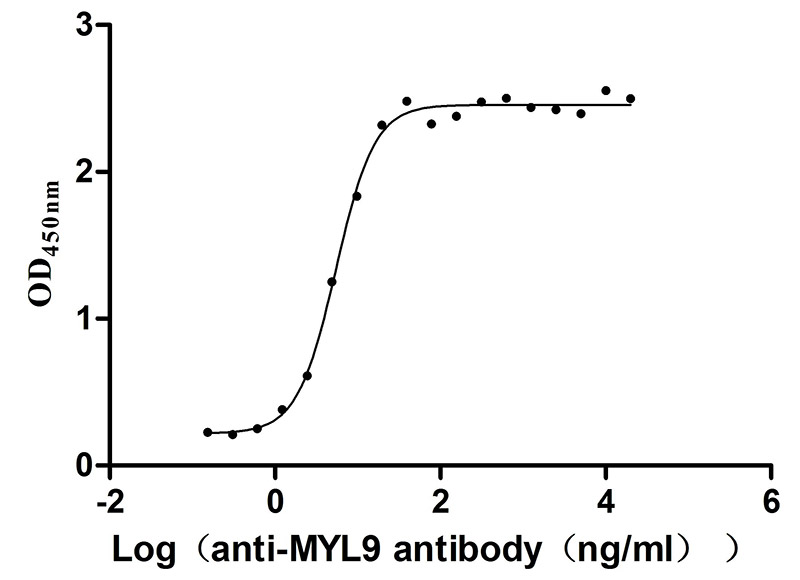
Recombinant Human Myosin regulatory light polypeptide 9 (MYL9) (Active)
Express system: Yeast
Species: Homo sapiens (Human)
-
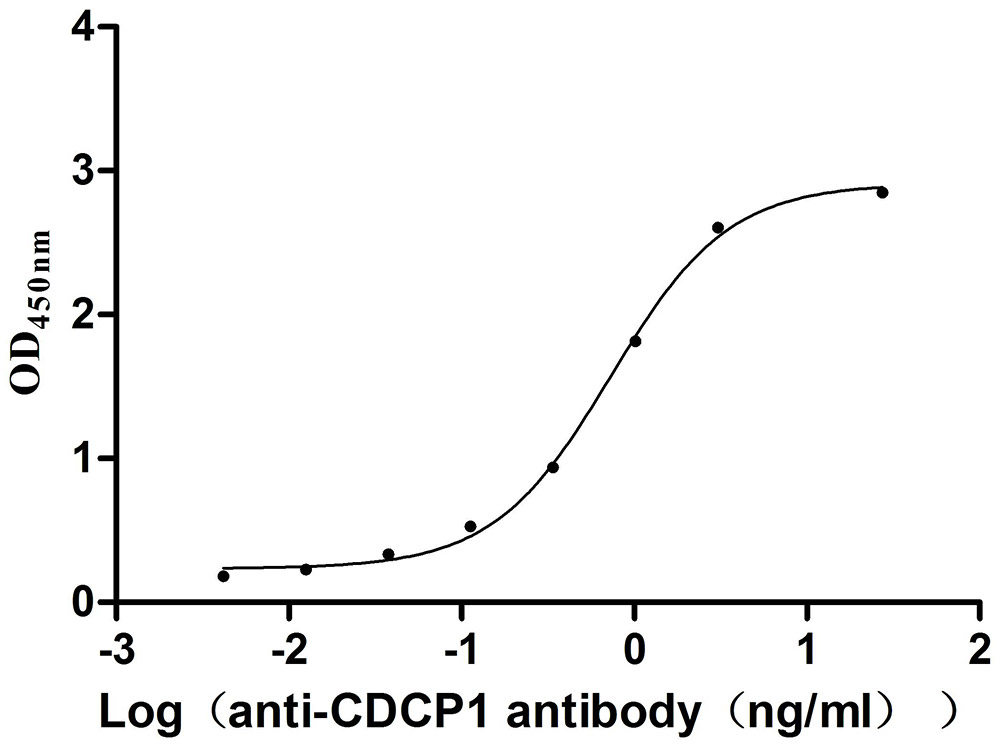
Recombinant Mouse CUB domain-containing protein 1 (Cdcp1), partial (Active)
Express system: Mammalian cell
Species: Mus musculus (Mouse)
-
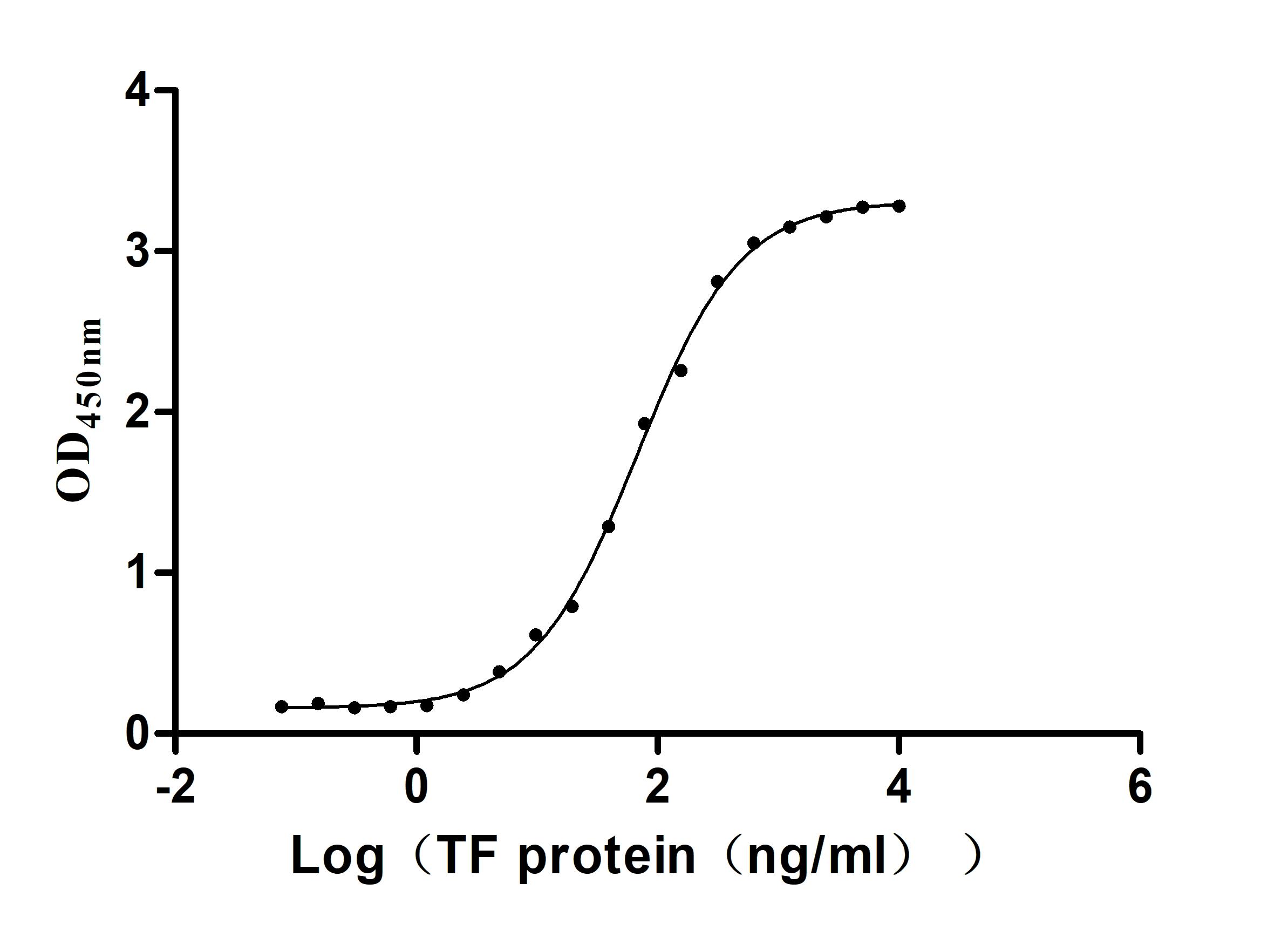
Recombinant Human Serotransferrin(TF) (Active)
Express system: Mammalian cell
Species: Homo sapiens (Human)
-
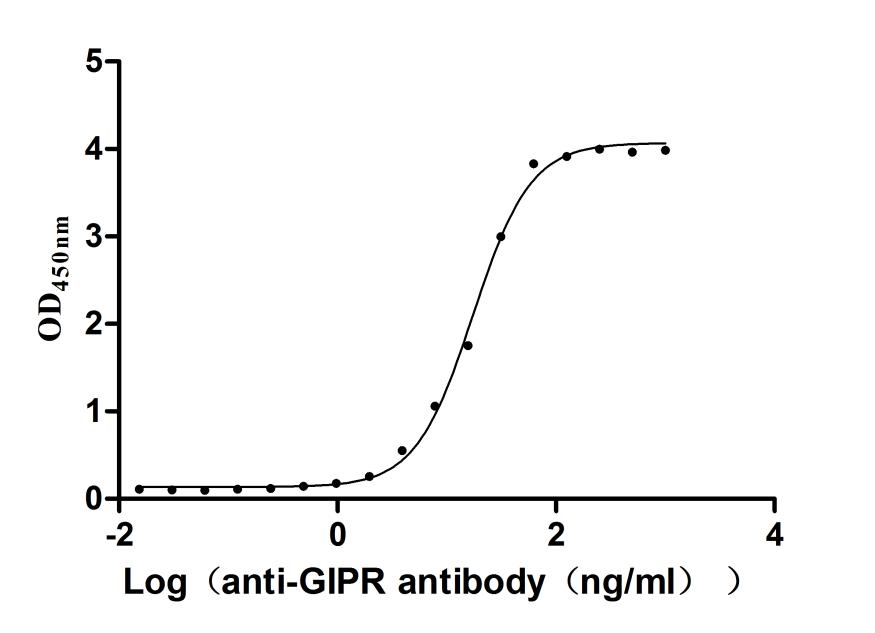
Recombinant Human Gastric inhibitory polypeptide receptor(GIPR),partial (Active)
Express system: Mammalian cell
Species: Homo sapiens (Human)