Recombinant Arabidopsis thaliana Serine/threonine-protein kinase TOR (TOR), partial
-
中文名稱:擬南芥TOR重組蛋白
-
貨號:CSB-YP861872DOA
-
規格:
-
來源:Yeast
-
其他:
-
中文名稱:擬南芥TOR重組蛋白
-
貨號:CSB-EP861872DOA
-
規格:
-
來源:E.coli
-
其他:
-
中文名稱:擬南芥TOR重組蛋白
-
貨號:CSB-EP861872DOA-B
-
規格:
-
來源:E.coli
-
共軛:Avi-tag Biotinylated
E. coli biotin ligase (BirA) is highly specific in covalently attaching biotin to the 15 amino acid AviTag peptide. This recombinant protein was biotinylated in vivo by AviTag-BirA technology, which method is BriA catalyzes amide linkage between the biotin and the specific lysine of the AviTag.
-
其他:
-
中文名稱:擬南芥TOR重組蛋白
-
貨號:CSB-BP861872DOA
-
規格:
-
來源:Baculovirus
-
其他:
-
中文名稱:擬南芥TOR重組蛋白
-
貨號:CSB-MP861872DOA
-
規格:
-
來源:Mammalian cell
-
其他:
產品詳情
-
純度:>85% (SDS-PAGE)
-
基因名:TOR
-
Uniprot No.:
-
別名:TOR; At1g50030; F2J10.19; Serine/threonine-protein kinase TOR; EC 2.7.11.1; Protein TARGET OF RAPAMYCIN; AtTOR
-
種屬:Arabidopsis thaliana (Mouse-ear cress)
-
蛋白長度:Partial
-
蛋白標簽:Tag?type?will?be?determined?during?the?manufacturing?process.
The tag type will be determined during production process. If you have specified tag type, please tell us and we will develop the specified tag preferentially. -
產品提供形式:Lyophilized powder
Note: We will preferentially ship the format that we have in stock, however, if you have any special requirement for the format, please remark your requirement when placing the order, we will prepare according to your demand. -
復溶:We recommend that this vial be briefly centrifuged prior to opening to bring the contents to the bottom. Please reconstitute protein in deionized sterile water to a concentration of 0.1-1.0 mg/mL.We recommend to add 5-50% of glycerol (final concentration) and aliquot for long-term storage at -20℃/-80℃. Our default final concentration of glycerol is 50%. Customers could use it as reference.
-
儲存條件:Store at -20°C/-80°C upon receipt, aliquoting is necessary for mutiple use. Avoid repeated freeze-thaw cycles.
-
保質期:The shelf life is related to many factors, storage state, buffer ingredients, storage temperature and the stability of the protein itself.
Generally, the shelf life of liquid form is 6 months at -20°C/-80°C. The shelf life of lyophilized form is 12 months at -20°C/-80°C. -
貨期:Delivery time may differ from different purchasing way or location, please kindly consult your local distributors for specific delivery time.Note: All of our proteins are default shipped with normal blue ice packs, if you request to ship with dry ice, please communicate with us in advance and extra fees will be charged.
-
注意事項:Repeated freezing and thawing is not recommended. Store working aliquots at 4°C for up to one week.
-
Datasheet :Please contact us to get it.
產品評價

相關產品
靶點詳情
-
功能:Essential cell growth regulator that controls development from early embryo to seed production. Controls plant growth in environmental stress conditions. Acts through the phosphorylation of downstream effectors that are recruited by the binding partner RAPTOR. Acts by activating transcription, protein synthesis and ribosome biogenesis, and inhibiting mRNA degradation and autophagy. Can phosphorylate TAP46, a regulatory subunit of protein phosphatase 2A that modulates cell growth and survival. Involved in modulating the transition from heterotrophic to photoautotrophic growth by regulating the expression of chloroplast- and photosynthesis-associated genes. Essential for auxin signaling transduction, probably acting in polysomes to maintain the active ATPK1/S6K1 (and thus TIF3H1/eIF3h) phosphorylation status that is critical for translation reinitiation (e.g. uORF-mRNAs loading). Promotes abscisic acid (ABA) biosynthesis. Involved in the regulation of sugar-mediated (e.g. glucose and sucrose) glycolysis- and mitochondrial bioenergetics-dependent root growth promotion. Required for sugar (e.g. glucose) promotion of hypocotyl elongation in the dark, by activating the brassinosteroid pathway and stabilizing BZR1. The regulation of BZR1 degradation is dependent on autophagy. Regulates the expression, phosphorylation and ribosome association of MRFs (e.g. MRF1, MRF3 and MRF4), especially under energy-deficient conditions.; (Microbial infection) Binding to cauliflower mosaic virus (CaMV) Tav protein is critical for both translation reinitiation and viral fitness. When activated by CaMV P6, promotes CaMV translation by inhibiting cellular autophagy and suppressing both silencing and innate immunity, thus confering sensitivity to P.syringae.; (Microbial infection) Required during infection by some potyvirus such as Watermelon mosaic virus (WMV) but not for turnip mosaic virus (TuMV).
-
基因功能參考文獻:
- Sugar-activated TOR kinase phosphorylates and stabilizes E2Fa proteins to transcriptionally activate S-phase genes during callus formation. PMID: 28623850
- The dependence of potyviruses on active Arabidopsis TOR signalling was different. PMID: 25979731
- These findings advance the current understanding of rapamycin-TOR signaling in plants. PMID: 23989449
- highlight the possible role of TOR in carbon utilization and growth regulation in Arabidopsis PMID: 23761348
- TOR protein regulates growth and also influences nutrient partitioning and central energy metabolism. PMID: 23173928
- systems, cellular and genetic analyses uncover TOR phosphorylation of E2Fa transcription factor for an unconventional activation of S-phase genes, and glucose-signalling defects in e2fa root meristems PMID: 23542588
- Rapamycin and glucose-target of rapamycin (TOR) protein signaling in plants. PMID: 22134914
- The authors show that the function of Cauliflower mosaic virus viroplasmin in reinitiation depends on physical association with TOR, with viroplasmin-TOR binding being critical for both translation reinitiation and viral fitness. PMID: 21343906
- TOR controls the embryogenesis, postembryonic development, and 45S rRNA production through its kinase domain in Arabidopsis. PMID: 21266656
- Results provide evidence that TOR is a negative regulator of autophagy in plants. PMID: 20686696
- The production of rapamycin-sensitive plants through the expression of baker's yeast FKBP12 protein illustrates the conservation of the TOR pathway in Arabidopsis. PMID: 17543119
- The AtTOR kinase is one of the contributors to the link between environmental cues and growth processes in plants. PMID: 17721444
顯示更多
收起更多
-
亞細胞定位:Cytoplasm. Nucleus.
-
蛋白家族:PI3/PI4-kinase family
-
組織特異性:Highly expressed in root meristems, shoot apical meristem (SAM) and floral buds.
-
數據庫鏈接:
Most popular with customers
-
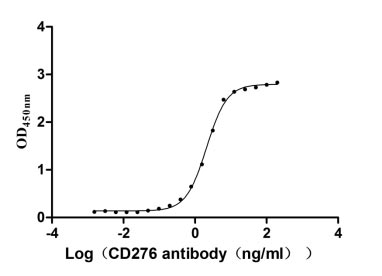
Recombinant Human CD276 antigen (CD276), partial (Active)
Express system: Mammalian cell
Species: Homo sapiens (Human)
-
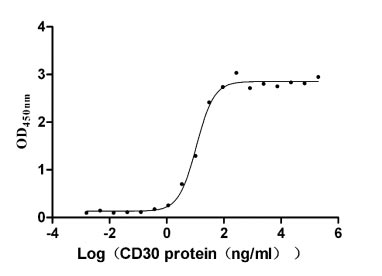
Recombinant Human Tumor necrosis factor ligand superfamily member 8 (TNFSF8), partial (Active)
Express system: Mammalian cell
Species: Homo sapiens (Human)
-
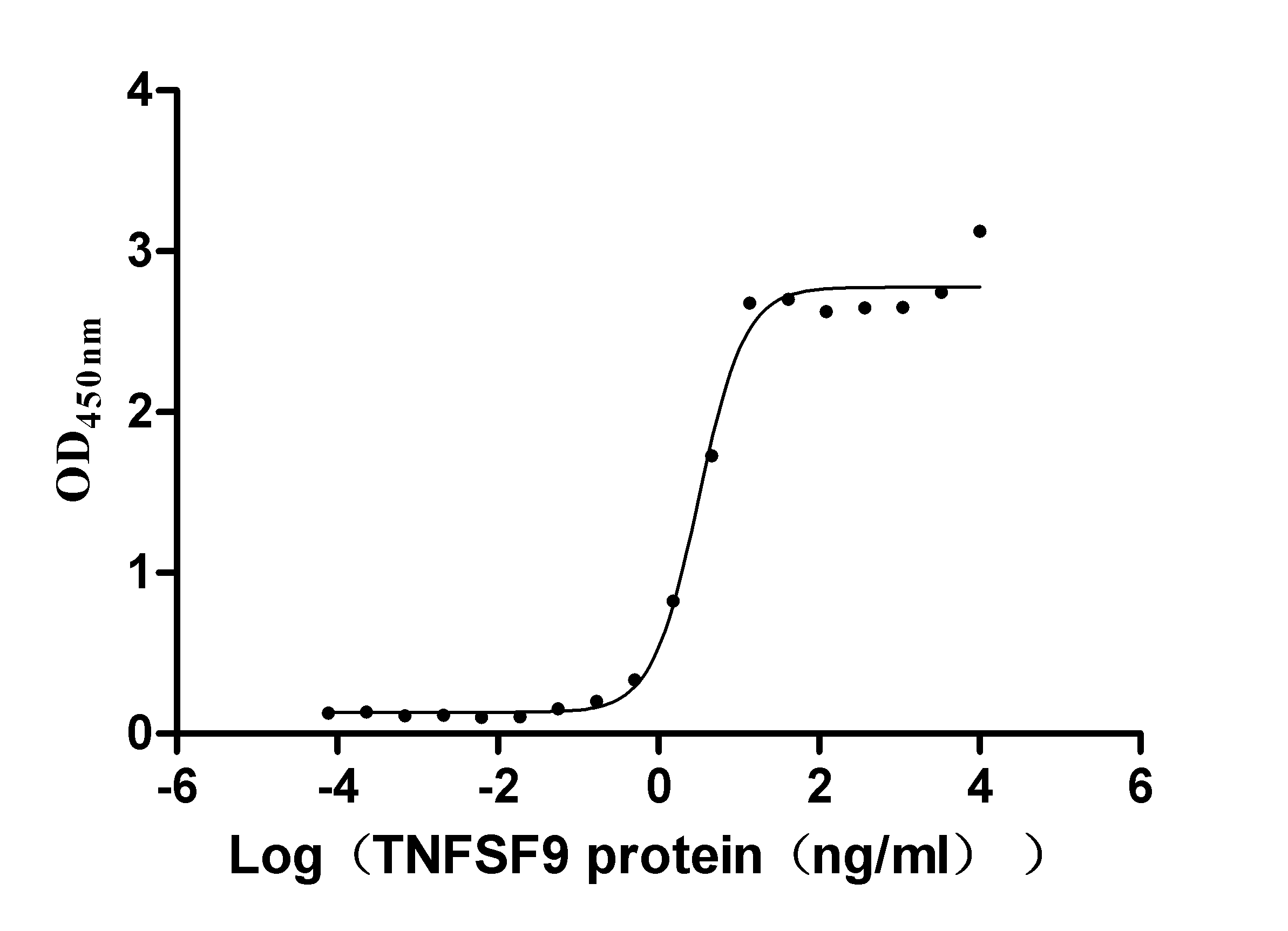
Recombinant Human Tumor necrosis factor ligand superfamily member 9 (TNFSF9), partial (Active)
Express system: Mammalian cell
Species: Homo sapiens (Human)
-
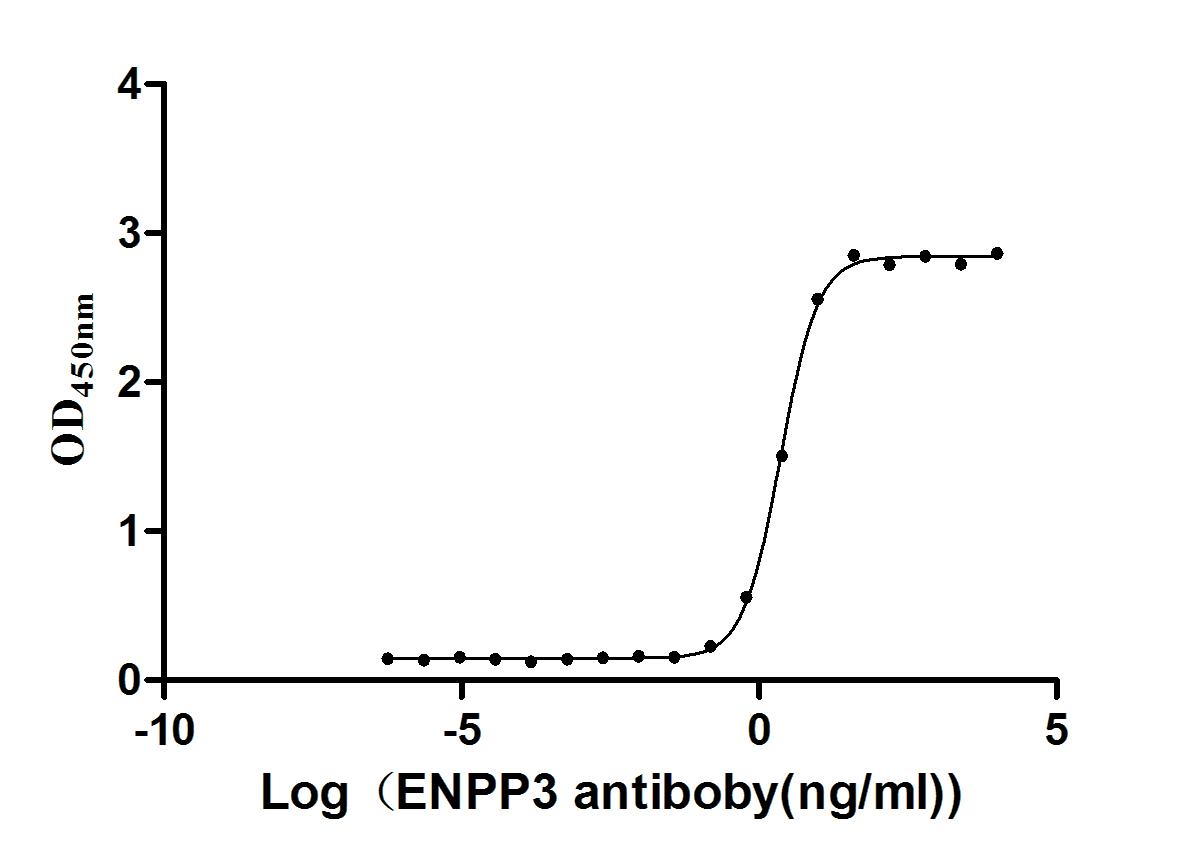
Express system: Mammalian cell
Species: Homo sapiens (Human)
-
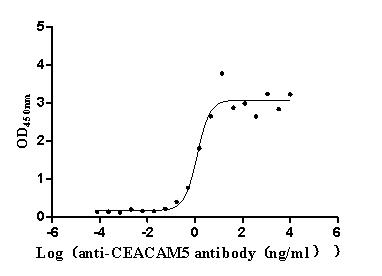
Express system: Mammalian cell
Species: Homo sapiens (Human)
-
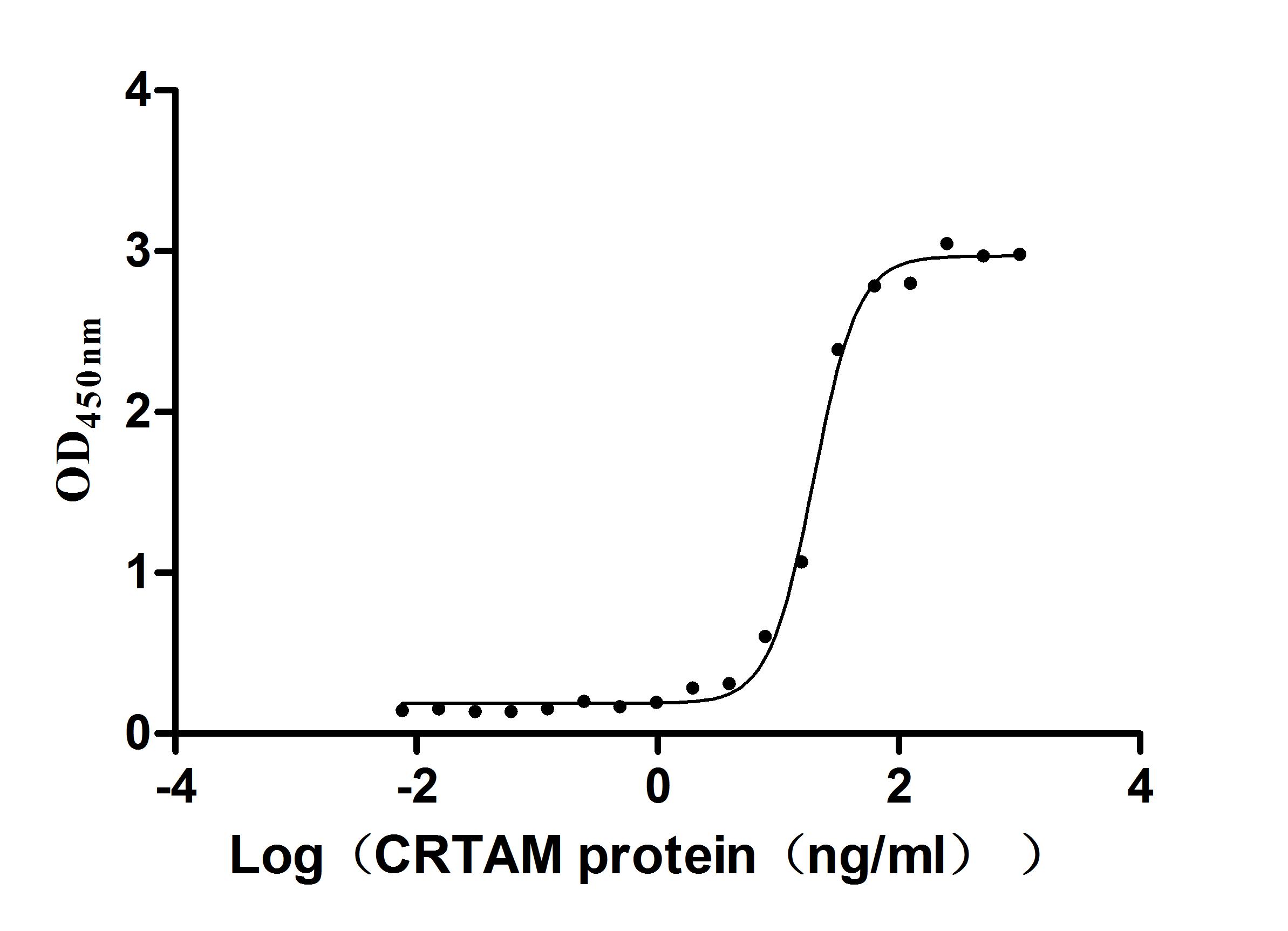
Recombinant Human Cell adhesion molecule 1 (CADM1), partial (Active)
Express system: Mammalian cell
Species: Homo sapiens (Human)
-
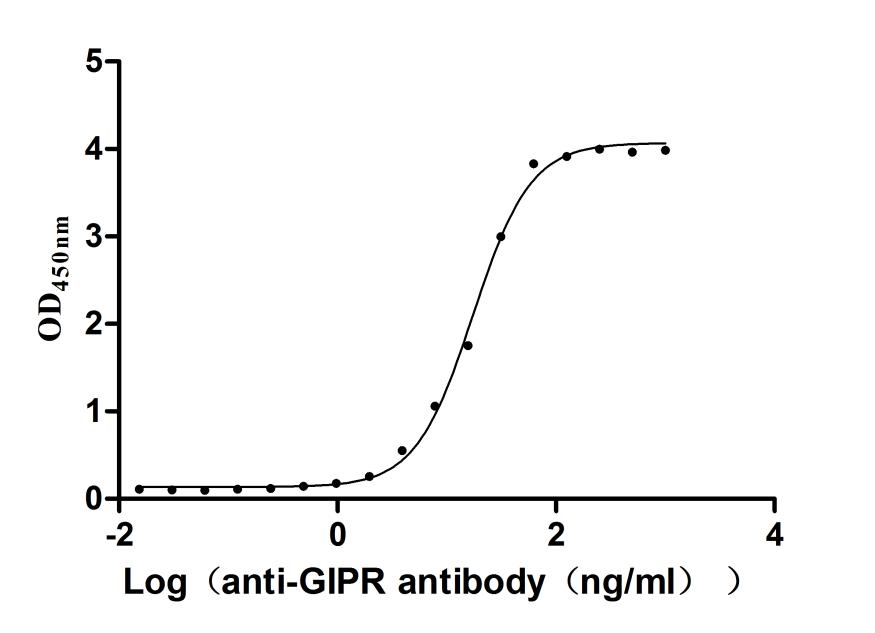
Recombinant Human Gastric inhibitory polypeptide receptor(GIPR),partial (Active)
Express system: Mammalian cell
Species: Homo sapiens (Human)
-
Recombinant Human C-C chemokine receptor type 9 (CCR9)-VLPs (Active)
Express system: Mammalian cell
Species: Homo sapiens (Human)